
Beyond the Board: What’s Happening?
Something interesting is happening in the world of board games. It's not just a resurgence of classic titles or a flood of new eurogames—it’s the rise of the hybrid digital-physical board game. These games aren’t simply board games adapted for a digital platform, but experiences that fundamentally require both a physical tabletop presence and a digital component to function. It feels like a natural progression, really.
For a long time, the board game hobby felt separate from the digital world. Then came apps to help with scoring, or websites to track stats. But now, games are being designed from the ground up to blend the two. I think the pandemic played a role, pushing people to find creative ways to connect, and these games offered a solution. More importantly, the technology has finally caught up to the vision.
This isn’t a fleeting trend, either. Game designers are actively exploring the possibilities, and consumers are responding. We’re seeing a genuine excitement around games that offer a different kind of engagement—something that feels both tactile and technologically advanced. The tabletop is evolving and I believe we're on the cusp of a significant shift in how we play.
Defining the Hybrid Space
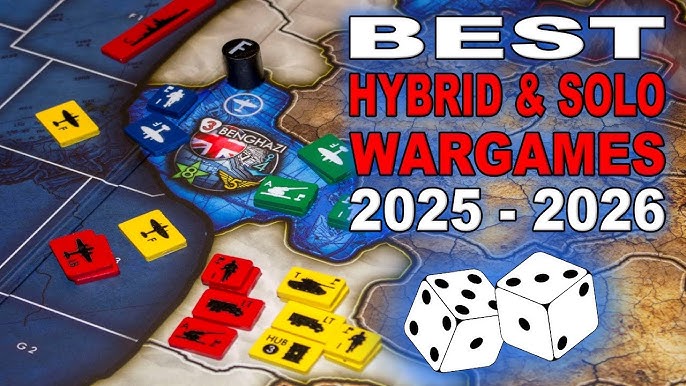
Let's be clear about what we mean by 'hybrid'. It's easy to confuse this with a digital version of a board game—like Ticket to Ride on Steam, or Carcassonne available on your phone. Those are fantastic, but they’re digital implementations of a board game. A truly hybrid game needs both physical and digital elements to work. You can’t play it without both.
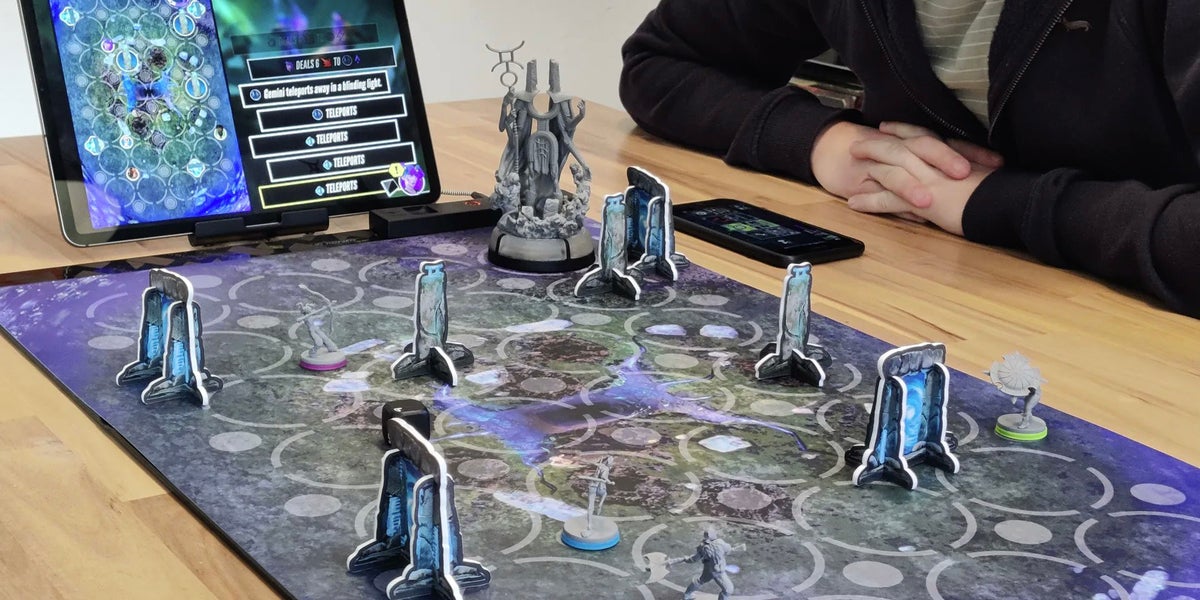
The spectrum of hybrid experiences is quite broad. At one end, you have games that use an app as a companion—for scoring, managing game state, or providing atmospheric sound effects. These apps enhance the physical experience, but the core gameplay remains rooted in the tabletop. Then, you have games where the app is a core component. It might control events, reveal secrets, or even act as an opponent.
The key is interdependence. The physical components aren't just a pretty face; they are essential to the gameplay loop. Similarly, the digital component isn’t just a convenience—it’s integral to the experience. This is where things get really interesting, because it allows for game mechanics that simply wouldn’t be possible with either medium alone. It allows designers to create something genuinely new.
Early Pioneers and Success Stories
Several games have already paved the way for this hybrid future. Mansions of Madness: Second Edition (Fantasy Flight Games, 2016) is often cited as a landmark example. It uses a companion app to generate the game map, control monsters, and deliver a narrative, all while players physically explore the mansion with miniatures and cards. It's a genuinely immersive experience.
Unlock! (Space Cowboys, 2017) and Exit: The Game (Kosmos, 2016) also demonstrated the potential of the format. These escape-room-in-a-box games rely on an app to track time, provide hints, and verify solutions. They’re relatively simple in concept, but incredibly engaging in practice.
Not every attempt has been a success, of course. Some early hybrids felt clunky or relied too heavily on the app, sacrificing the tactile joy of the physical game. I recall a few attempts that felt shoehorned, like the digital component was added as an afterthought. However, the successes have proven the concept and provided valuable lessons for designers.
These early games succeeded because they understood the strengths of both mediums. They didn’t try to replicate a traditional board game experience digitally; they created something new, leveraging the app for what it does best—managing complexity and delivering narrative—and the physical components for what they do best—providing a tactile and social experience.
- Mansions of Madness: Second Edition (2016): Uses a companion app for map generation, monster control, and narrative delivery alongside physical exploration.
- Unlock! (2017): An escape-room-in-a-box game using an app for time tracking, hints, and solution verification.
- Exit: The Game (2016): An escape-room-in-a-box game using an app for time tracking, hints, and solution verification.
Defining Hybrid Success
- Seamless Integration - Successful hybrid games blend physical and digital components so well that players don’t feel like they’re switching between two separate experiences. Think of games like Detective: A Modern Crime Board Game, where a companion app manages case files and evidence, enhancing – not hindering – the tabletop investigation.
- Compelling Narrative Delivery - Digital components can elevate storytelling. Games like Mansions of Madness: Second Edition utilize an app to deliver atmospheric narration, dynamic events, and evolving mysteries that would be difficult to replicate solely with cards and a rulebook.
- Enhanced Replayability - Digital elements can significantly extend a game’s lifespan. Unlock! Escape Adventures, for example, uses a timer and app-driven challenges to create a sense of urgency and offers a one-time-use experience for each scenario, encouraging repeat purchases for new adventures.
- Dynamic Difficulty Adjustment - The digital component allows for scaling difficulty based on player experience. Forgotten Island adjusts the game's challenge level in real-time based on player choices and successes, providing a tailored experience for different skill levels.
- Streamlined Rule Management - Complex rules can be a barrier to entry for many board games. Hybrid games like Oathsworn: Into the Deepwood leverage apps to automate rule enforcement, track character progress, and manage intricate game states, making the experience more accessible.
- Augmented Social Interaction - While seemingly counterintuitive, digital components can *enhance* social interaction. Zombicide uses an app to manage hordes of zombies and track their movements, freeing players to focus on strategizing and cooperating with each other.
- Innovative Use of Technology - Successful hybrid games don’t just tack on digital elements; they use them in unique and meaningful ways. Tainted Grail: The Fall of Avalon employs an app to create a branching narrative with hundreds of story cards and choices, offering a truly immersive and personalized experience.
Tech Driving the Change
The rise of hybrid games wouldn't be possible without advancements in technology. Mobile processing power has increased dramatically in recent years, allowing for more complex and visually impressive apps. This means designers aren’t limited by what a phone or tablet can handle.
Augmented reality (AR) capabilities are also playing a role. While still in its early stages, AR has the potential to overlay digital elements onto the physical game board, creating a truly blended experience. Imagine seeing monsters appear on your table, or digital clues materialize in front of your eyes.
The accessibility of app development tools is another key factor. It’s now easier and more affordable than ever for game designers to create companion apps, even without extensive programming knowledge. Bluetooth and NFC technology are also important, allowing physical components to communicate with the digital app. This enables things like scanning cards to trigger events or tracking player progress.
I'm not aware of any specific SDKs dominating the space, but the general trend is towards cross-platform development, allowing apps to run on both iOS and Android devices. This broadens the potential audience and makes it easier to reach more players.
2026: What Games Are Coming?
Looking ahead to 2026, the pipeline of hybrid games is looking strong. Several projects currently in development are pushing the boundaries of the format. Oathsworn: Into the Deepwood (Red Knight Games), already gaining attention, blends miniatures combat with a narrative app, promising a rich and immersive fantasy experience. It’s a complex game, but the early previews are very promising.
Several games are also experimenting with integrating physical components directly into the app experience. For example, some designers are exploring the use of NFC tags embedded in cards or miniatures, allowing the app to instantly recognize and react to physical actions. This could lead to more dynamic and responsive gameplay.
Fruit Passion: Work Your Melon (Bon Games), as highlighted by The Family Gamers, is a clever example of how a simple mechanic—matching fruit patterns—can be enhanced with a digital timer and scoring system. It's a lighter game, but showcases the potential for family-friendly hybrids.
Crowdfunding platforms like Kickstarter and Gamefound are also showcasing a wealth of innovative hybrid projects. Many of these games are still in the early stages of development, but they offer a glimpse into the future of tabletop gaming. We’re seeing a lot of experimentation with different themes and mechanics, from cooperative adventures to competitive strategy games.
I expect to see more games that leverage procedural generation, using algorithms to create unique game experiences each time you play. This could significantly increase replayability and keep players engaged for longer. The intersection of AI and board games is also an area to watch.
- **Oathsworn: Into
- Unnamed AR Dungeon Crawler (Indie Developer): Utilizing augmented reality to overlay digital elements onto the physical game board.
- Project Chimera (Kickstarter): A cooperative game with NFC-enabled components for dynamic gameplay.
Upcoming Hybrid Digital-Physical Board Games (2026)
| Game Title | Complexity | Digital Integration Level | Theme | Player Count |
|---|---|---|---|---|
| Echoes of the Void | High | Extensive - App driven campaign with dynamic events | Sci-Fi Exploration/Horror | 1-4 Players |
| Aetherium Forge | Medium | Moderate - Companion app for resource management and event tracking | Steampunk/Engine Building | 2-5 Players |
| Chronoscape | Medium-High | Significant - Digital app manages time travel paradoxes and branching narratives | Time Travel/Mystery | 1-4 Players |
| Rune Weavers | Low-Medium | Basic - App provides ambient soundscapes and tutorial assistance | Fantasy/Cooperative Storytelling | 2-4 Players |
| Planetary Pioneers | Medium | Moderate - Digital app handles planetary scanning and resource distribution | Space Exploration/Resource Management | 2-4 Players |
| Mystic Market | Low | Light - App tracks fluctuating market prices and offers mini-games | Fantasy/Economic | 2-6 Players |
| Shadow Syndicate | High | Extensive - App manages hidden roles, investigations, and consequences | Noir/Social Deduction | 3-6 Players |
Illustrative comparison based on the article research brief. Verify current pricing, limits, and product details in the official docs before relying on it.
The Family Gamers' Perspective
Hybrid games can be particularly appealing to families. They can cater to different age groups and gaming preferences—offering a blend of tactile interaction and digital engagement. Games like Fruit Passion: Work Your Melon, as reviewed by The Family Gamers, demonstrate how a simple concept can be made more exciting and accessible with a digital component.
The digital element can also provide unique educational opportunities. Some hybrid games incorporate elements of coding, problem-solving, or storytelling, helping children develop valuable skills while having fun. The shared experience of playing a game together—whether it's a physical or digital component—is invaluable for family bonding.
I think the ability to adjust the difficulty level and adapt the game to different skill levels is a major benefit for families. Hybrid games often offer more flexibility in this regard than traditional board games. They can be a great way to introduce children to more complex gaming concepts in a gradual and engaging way.
Challenges and Opportunities
Despite the excitement, the hybrid board game market faces several challenges. App maintenance is a significant concern. Developers need to ensure that their apps remain compatible with new operating systems and devices. Digital obsolescence is also a risk—what happens when the app is no longer supported? It’s a question designers need to address.
The cost of development can be higher for hybrid games, as it requires both physical components and software development. This can translate to a higher price point for consumers. Finding the right balance between physical and digital elements is also crucial. Too much reliance on the app can detract from the tactile joy of the physical game.
However, the opportunities are immense. Hybrid games have the potential to create truly unique and immersive gaming experiences, reaching new audiences, and fostering a more connected gaming community. The ability to combine the best of both worlds—the tactile satisfaction of a board game and the dynamic capabilities of digital technology—is incredibly exciting.
The long-term sustainability of these games will depend on how well designers can address these challenges and capitalize on the opportunities. I believe games that prioritize quality, innovation, and community engagement will be the ones that thrive in the years to come.
No comments yet. Be the first to share your thoughts!