

Beyond the Box: Why Eco-Friendly Games Matter
The tabletop gaming hobby is booming. But this popularity comes with an environmental cost. Traditional board game production often uses plastic derived from fossil fuels and paper from unsustainable forestry. Shipping games manufactured overseas also adds to carbon emissions, creating a significant environmental impact that many gamers are starting to consider.
Consumer attitudes are shifting. People want to support companies that align with their values, not just find fun. This desire for eco-conscious products is gaining momentum within the tabletop community. Conversations at recent conventions increasingly focus on sustainable materials and ethical sourcing.
Choosing eco-friendly games means supporting businesses that prioritize responsible manufacturing, materials, and distribution. It's a vote with your wallet for a more sustainable future, allowing you to enjoy your hobby without contributing to environmental harm.
Materials Under Scrutiny: What Makes a Game 'Green'
When seeking eco-friendly board games, look for recycled cardboard, which reduces demand for virgin paper pulp. Sustainably sourced wood, certified by organizations like the Forest Stewardship Council (FSC), ensures responsible forest management. Plant-based plastics made from cornstarch or sugarcane offer a renewable alternative to petroleum-based plastics, though their compostability varies.
Water-based inks are another consideration, releasing fewer volatile organic compounds (VOCs) than solvent-based inks, making them a healthier choice for workers and the environment. Be aware of "greenwashing"—when companies exaggerate or falsely claim their products are environmentally friendly. Look for transparency and specific certifications.
Finding truly plastic-free games is challenging. Many games still use plastic for components like dice or meeples. While some companies explore alternatives like wood or bioplastics, they aren't always practical or cost-effective. Making informed choices is key, recognizing that progress is incremental. Don't be discouraged if a game isn't perfectly eco-friendly; every step counts.
- Recycled Cardboard: Reduces demand for virgin pulp.
- FSC-Certified Wood: Ensures responsible forest management.
- Plant-Based Plastics: Renewable alternatives to petroleum-based plastics.
- Water-Based Inks: Lower VOC emissions.
Board Game Material Comparison: Environmental & Practical Considerations (2026)
| Material | Environmental Impact | Cost | Durability | Aesthetic/Feel |
|---|---|---|---|---|
| Plastic | Generally higher impact due to fossil fuel reliance and waste. Recycling rates vary significantly. | Often lower initial cost. | Typically very durable and water-resistant. | Can achieve a wide range of colors and finishes; sometimes feels less premium. |
| Standard Cardboard | Moderate impact; relies on paper production. Recyclable, but often ends up in landfill. | Generally low cost. | Moderate durability; susceptible to wear, bending, and water damage. | Offers good print quality and a familiar feel. |
| Recycled Cardboard | Lower impact than standard cardboard due to use of post-consumer waste. Still requires processing. | Slightly higher cost than standard cardboard. | Similar to standard cardboard in durability, but can sometimes be less consistent. | Appearance similar to standard cardboard; may have a slightly different texture. |
| Wood | Renewable resource if sustainably sourced. Lower carbon footprint than plastic. Requires responsible forestry practices. | Typically higher cost, especially for hardwoods. | Very durable and long-lasting with proper care. | Warm, natural aesthetic; often considered a premium feel. |
| Bioplastics (PLA, etc.) | Derived from renewable biomass sources (corn, sugarcane). Compostable under specific industrial conditions; home composting is often not effective. | Generally higher cost than traditional plastics. | Can be less durable than traditional plastics; susceptible to heat and moisture. | Appearance similar to traditional plastics, but can sometimes be more brittle. |
| Paper/Cardstock (with Vegetable-Based Inks) | Lower impact than standard cardboard if inks are eco-friendly and paper is sustainably sourced. Recyclable. | Moderate cost, depending on paper weight and finish. | Moderate durability; vulnerable to tearing and water damage. | Good print quality; offers a natural, tactile feel. |
Qualitative comparison based on the article research brief. Confirm current product details in the official docs before making implementation choices.
Top Eco-Friendly Board Games of 2026
The selection of truly eco-conscious games is growing. Canopy, recommended on Facebook, is entirely plastic-free, utilizing recycled materials and sustainable packaging. This two-player game focuses on building a forest canopy and is noted for its commitment to sustainability. Leaf, also mentioned on Facebook, follows suit with a similar plastic-free design.
Hijacked, gaining attention through community recommendations, focuses on ethical sourcing of materials and reducing its carbon footprint. Its backers state they are making a concerted effort to minimize environmental impact throughout production. This cooperative game about rescuing stolen animals fits its ethos. This focus on theme and sustainability is a strong combination.
Ecofriendly Game is dedicated to creating games with minimal environmental impact, using sustainable materials and prioritizing ethical production practices. Their catalog includes a variety of games for different ages and interests, making them a good starting point for building a green game collection. Their commitment to transparency is notable.
Photosynthesis, though not brand new, is a popular choice. This beautifully designed game about growing trees uses components made from sustainably sourced wood and reinforces environmental stewardship. While more expensive than some options, its quality and sustainability are worthwhile for families.
Herbaceous, a simple card game about collecting herbs, uses recycled paper and vegetable-based inks. It serves as a gateway game for introducing younger players to sustainable gaming, is affordable, and easy to learn, without compromising its environmental values.
Cascadia focuses on building habitats for wildlife in the Pacific Northwest. Its components are made from recycled materials, and the artwork celebrates the region's natural beauty. This strategic game is engaging and educational, and also suitable for solo play.
Wingspan, a popular engine-building game about attracting birds to a wildlife preserve, is making strides toward sustainability. While earlier editions contained plastic components, the publisher has committed to transitioning to more eco-friendly materials in future printings, actively listening to consumer feedback and adapting practices.
Everdell, a beautifully illustrated game about building a woodland city, utilizes sustainably sourced wood and recycled cardboard. Known for its stunning artwork and engaging gameplay, it is a complex game suitable for older players and experienced gamers who appreciate both aesthetics and sustainability.
Featured Products

Cooperative gameplay encourages teamwork and communication. · Made with FSC-certified paper and recycled materials. · Promotes color matching and strategic thinking.
This cooperative game is made with sustainable materials, fostering teamwork and environmental awareness in young players.

Features charming forest animal illustrations. · Includes 16 shaped tiles and 4 gameboards made from recycled paper. · Comes with a fabric bag for easy storage and travel.
Mudpuppy's Find The Forest Friends Game utilizes recycled paper and a reusable fabric bag, making it a delightful and eco-conscious choice for on-the-go fun.

A challenging logic game that builds critical thinking skills. · Components are made from durable, responsibly sourced materials. · Engages players with a gravity-powered marble maze.
ThinkFun's Gravity Maze offers a robust STEM challenge with components designed for longevity and responsible sourcing, promoting problem-solving in an engaging way.

A whimsical card game with engaging gameplay. · Printed on FSC-certified paper with vegetable-based inks. · Encourages strategic thinking and memory skills.
Sleeping Queens is a fun and engaging card game printed with eco-friendly inks on certified paper, perfect for family game nights.
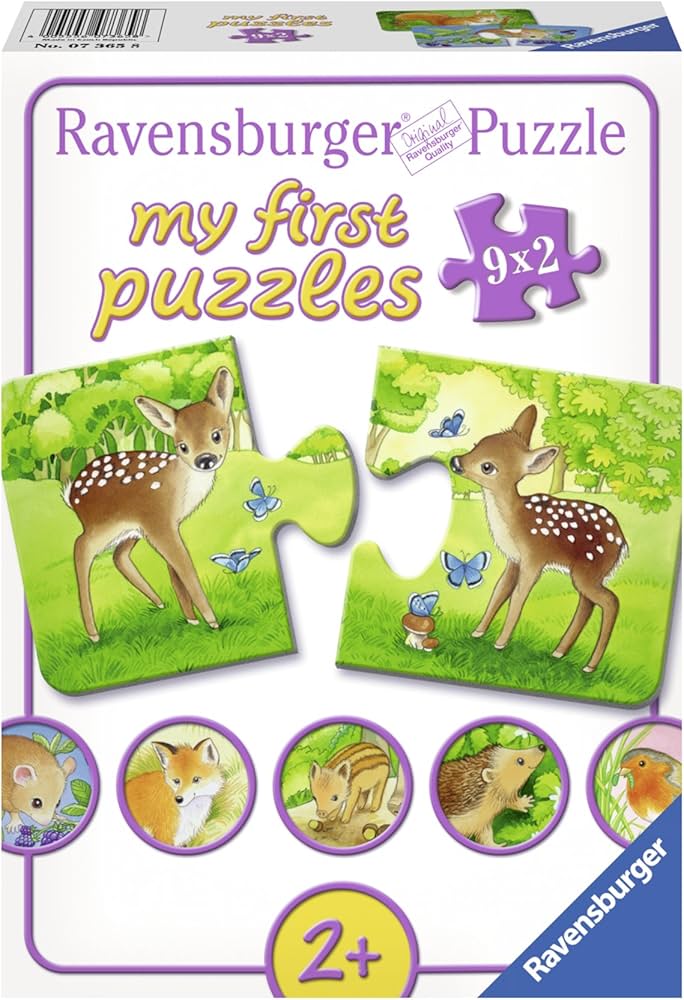
A colorful and engaging introduction to forest animals. · Made from sturdy, sustainably sourced cardboard. · Designed to promote early learning and observation skills.
Ravensburger's My First Forest is constructed from sustainable cardboard, offering a visually appealing and educational experience for young children learning about nature.
As an Amazon Associate I earn from qualifying purchases. Prices may vary.
Beyond the Game: Sustainable Packaging & Shipping
undefinedist packaging – reducing the amount of material used – is a great first step. Many eco-conscious companies are opting for recycled cardboard boxes and avoiding plastic inserts. I've noticed a trend toward using molded pulp inserts as a plastic alternative, and I think it's a positive development.
Some companies are partnering with environmental organizations to offset their carbon footprint from shipping. This involves investing in projects that reduce greenhouse gas emissions, such as reforestation or renewable energy initiatives. However, it’s important to note that carbon offsetting isn’t a perfect solution, and reducing emissions at the source is always preferable. It's a complex issue with varying levels of effectiveness.
Supporting local game stores can also help reduce your environmental impact. By buying games locally, you minimize the distance they need to travel, reducing shipping emissions. It also supports small businesses in your community. It’s a win-win situation. It’s worth checking if your local store offers any sustainability initiatives, such as recycling programs or plastic-free packaging options.
DIY & Game Component Upcycling
Extending the life of your games and reducing waste doesn't have to stop at purchasing eco-friendly options. Consider making your own game components! Wooden tokens, for example, are a great alternative to plastic. You can easily craft them yourself or purchase them from sustainable sources. There are plenty of tutorials online for making wooden components.
Upcycling old game boxes is another creative way to reduce waste. They can be repurposed as storage containers for other games or craft supplies. I’ve seen some people transform old game boards into artwork or coasters. The possibilities are endless. It’s a fun and rewarding way to give new life to old materials.
Donating unwanted games to charities or schools is a great way to keep them out of landfills. You can also participate in game component swaps with other gamers. Online communities and local game stores often host these events. It’s a great way to find new components for your games and declutter your collection. I’ve found some amazing vintage pieces through component swaps.
Eco-Publishers to Watch
Ecofriendlygame.com is a key player in the sustainable gaming space, as their name suggests. They are dedicated to sourcing eco-friendly materials and promoting responsible manufacturing practices. They offer a wide range of games, from classic card games to more complex board games. They are a valuable resource for anyone looking to build a sustainable game collection.
Boda Games Manufacturing is worth noting for their commitment to sustainable board game manufacturing. They offer a range of eco-friendly materials and production processes, helping publishers create more sustainable games. They are a good partner for game designers who prioritize sustainability. They seem focused on helping others create green games, rather than publishing themselves.
Timberline Games is another publisher actively embracing sustainability. They prioritize using recycled materials and reducing their carbon footprint. They are committed to transparency and ethical sourcing. They’re a smaller publisher, but their dedication to sustainability is impressive. I’ve been following their progress with interest.
Look for publishers who are B Corp certified. This certification indicates that a company meets high standards of social and environmental performance, accountability, and transparency. It’s a good indicator of a company’s commitment to sustainability.
Sustainable Game Publishers
- Green Games - This publisher focuses on using recycled and sustainably sourced materials in all components, including game boards made from recycled cardboard and wooden pieces from responsibly managed forests. They also prioritize plastic-free packaging.
- Gamewright - Gamewright has made commitments to reducing their environmental impact through responsible sourcing of wood and paper, and by minimizing plastic use in their newer game releases. They actively seek out more sustainable materials for production.
- Blue Orange Games - Blue Orange Games is committed to eco-friendly practices, including using vegetable-based inks for printing and focusing on durable game components designed for longevity, reducing the need for frequent replacements.
- Peaceable Kingdom - Known for cooperative games, Peaceable Kingdom also prioritizes sustainable materials, including recycled cardboard and paper. They emphasize educational value alongside environmental responsibility.
- HABA - HABA utilizes sustainably harvested beech wood for many of their game components, and focuses on creating high-quality, durable games that last for generations. They also emphasize responsible forestry practices.
- Days of Wonder - Days of Wonder is actively working to reduce plastic in their game components and packaging, and are exploring more sustainable alternatives for their popular titles. They are committed to transparency regarding their sustainability efforts.
- Czech Games Edition - Czech Games Edition is increasing their use of recycled materials in production and are focusing on minimizing waste throughout their supply chain. They are also exploring options for carbon-neutral shipping.
The Future of Sustainable Tabletop
The future of sustainable tabletop gaming looks promising. I anticipate seeing continued innovation in sustainable materials, with more companies exploring alternatives to plastic and unsustainable wood sources. We might see the wider adoption of bioplastics and mycelium packaging – packaging grown from mushroom roots!
I also expect to see more games designed with modularity and repairability in mind. This would allow players to replace individual components instead of having to buy an entirely new game. A greater emphasis on digital game components – apps or websites that supplement the physical game – could also reduce material consumption. It’s a move some are already experimenting with.
Ultimately, the demand for sustainable games will drive change. As consumers become more aware of the environmental impact of their purchases, they will increasingly choose companies that prioritize sustainability. This will encourage more publishers to adopt eco-friendly practices, creating a more sustainable future for the tabletop gaming hobby. It’s an exciting time to be a gamer who cares about the planet.
What's the most important factor for you when choosing an eco-friendly board game?
Vote below and tell us which sustainability factor matters most to you when picking a board game for your family.

No comments yet. Be the first to share your thoughts!