
Beyond Fun: Games & Mental Wellbeing
Life feels…faster these days, doesn’t it? More demands, more pressure, and less time to truly disconnect. It's no surprise that rates of stress and anxiety are climbing. But what if I told you there was a surprisingly effective, and enjoyable, way to carve out some mental space? Board games are often seen as simple entertainment, but they’re increasingly recognized for their potential as therapeutic tools.
This isn’t about replacing therapy – far from it. It’s about adding another layer of support to your wellbeing routine. Games offer a structured escape, a chance to focus your attention, and a valuable opportunity for social connection. They’re a low-pressure environment to practice problem-solving, communication, and emotional regulation. The year 2026 doesn't seem to have drastically altered the core benefits, but there’s a growing awareness among designers to intentionally build games that promote mindfulness and relaxation.
The appeal is also in the focused attention. When you’re absorbed in a game, you’re, in a way, practicing a form of mindfulness – being present in the moment, without judgment. This can be a powerful antidote to the constant stream of worries and anxieties that plague modern life. Plus, the simple act of disconnecting from screens and engaging in a tactile activity can be incredibly grounding. It's a deliberate slowing down.
We’re seeing more games deliberately designed with these concepts in mind, offering not just fun, but a chance to nurture your mental health. It’s about recognizing that games aren't just a frivolous pastime, but a potentially valuable tool for navigating the challenges of life. They can be a source of joy, connection, and a little bit of much-needed peace.
Stress & Anxiety: Games That Calm
Many games excel at simply distracting us from our worries, but some go further – actively reducing stress and anxiety. These aren't necessarily high-energy, adrenaline-pumping games. Instead, they tend to emphasize calming mechanics, aesthetic enjoyment, and a sense of flow. The goal isn't to "win" as much as it is to be – to be present in the activity and find a sense of peace.
Cooperative games, where players work together towards a common goal, are particularly effective. They shift the focus away from individual competition and towards collaboration, fostering a sense of shared purpose. Puzzle games, like jigsaw puzzles or logic puzzles, can also be incredibly calming, as they require focused attention and offer a satisfying sense of accomplishment. Calico, a tile-laying game about quilting, is a perfect example. Its cozy aesthetic and gentle gameplay create a remarkably soothing experience.
Then there’s Azul, an abstract strategy game with beautifully crafted tiles. The tactile pleasure of arranging the tiles, combined with the satisfying challenge of optimizing your patterns, can be incredibly meditative. It’s a game that rewards careful planning and focused attention, drawing you into the present moment. The simple act of handling the components can be surprisingly therapeutic.
The key is finding games that resonate with you. What activities do you find naturally calming? Do you enjoy working with your hands? Do you prefer quiet contemplation or lively interaction? Choosing a game that aligns with your preferences will maximize its stress-reducing benefits. It's about creating a positive and enjoyable experience, not adding another source of pressure.
- Calico: Tile-laying, cozy aesthetic, promotes relaxation.
- Azul: Abstract strategy, satisfying tactile components, meditative gameplay.
- Cooperative Games: Emphasize collaboration, reduce competitive stress.
- Puzzle Games: Require focused attention, offer a sense of accomplishment.
Games for Well-being
- Sagrada - This tile-laying game challenges you to create a stained-glass window using dice, offering a focused, aesthetically pleasing experience that encourages mindful pattern recognition.
- Calico - Players create cozy quilts by strategically placing patches, utilizing pattern building to achieve calming goals and a sense of accomplishment through creative design.
- Wingspan - A cooperative engine-building game about attracting birds to wildlife preserves, Wingspan features beautiful artwork and a nature theme that promotes relaxation and a connection to the natural world.
- Azul - This abstract strategy game involves drafting colorful tiles to decorate a palace wall, providing a satisfying tactile experience and a focus on spatial reasoning without direct player conflict.
- Photosynthesis - Players nurture trees from seedlings to full-grown giants in this strategic game with a strong nature theme, creating a visually appealing and peaceful atmosphere.
- Cascadia - A tile-laying and token-drafting game where players build a diverse ecosystem, Cascadia encourages mindful planning and the creation of harmonious landscapes.
- Hanabi - A unique cooperative card game where players hold their cards facing *away* from themselves and must give each other clues to play cards in the correct order, fostering communication and teamwork.
Social Connection: Combatting Loneliness
Loneliness is a serious public health concern, and it’s something that affects people of all ages. Strong social connections are vital for mental wellbeing, and board games can be a fantastic way to foster those connections. Unlike many forms of entertainment, games require social interaction. They demand communication, negotiation, and collaboration – all essential ingredients for building meaningful relationships.
Cooperative games, again, shine here. Pandemic is a classic example. Players work together to stop the spread of deadly diseases, relying on each other’s strengths and coordinating their efforts. The shared struggle creates a strong sense of camaraderie and mutual support. It’s a game that reminds you that you’re not alone in facing challenges.
Hanabi is another excellent choice. It’s a cooperative card game with a unique twist: you can’t see your own hand! Players must rely on each other’s clues and trust to successfully play the cards in the correct order. This requires clear communication, active listening, and a willingness to rely on others. It’s a surprisingly challenging and rewarding experience.
While I haven't seen definitive research quantifying the specific mental health benefits of these games, the anecdotal evidence is strong. Shared experiences create lasting memories and strengthen bonds. A friendly game night can be a powerful antidote to feelings of isolation and loneliness. It’s a chance to connect with loved ones, laugh together, and simply enjoy each other’s company.
What's Your Social Gaming Style?
Board games can be a fantastic way to de-stress and connect with others. But everyone approaches social gaming differently! This quick quiz will help identify your preferred style – are you a collaborative strategist, a competitive powerhouse, or something in between? – and suggest game types that might be a perfect fit for your mental wellbeing.
Emotional Processing: Games for Reflection
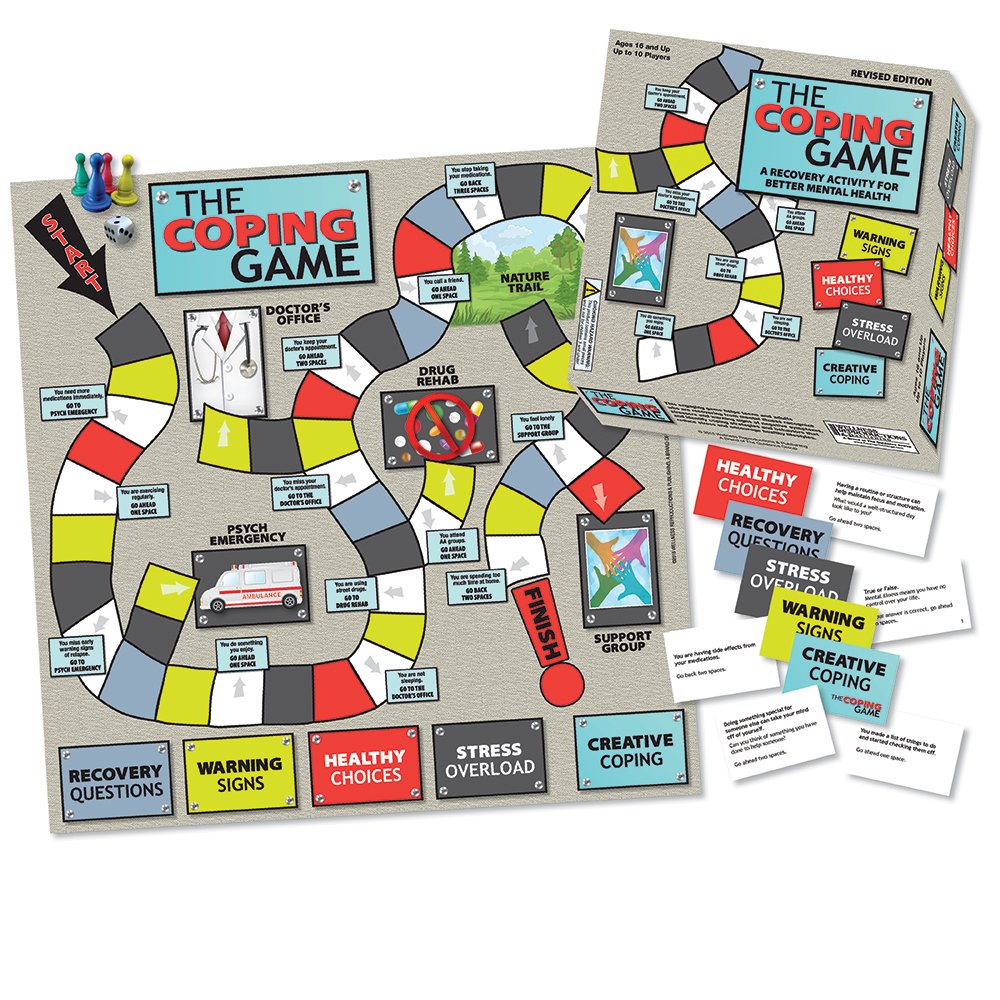
This is where things get more nuanced. Can board games actually help us process difficult emotions? It’s a complex question, and the answer isn’t a simple yes or no. Games aren’t therapy, and they shouldn’t be used as a substitute for professional help. However, they can provide a safe space to explore complex feelings and grapple with challenging scenarios.
Games that encourage storytelling and role-playing are particularly well-suited for this purpose. Gloomhaven: Jaws of the Lion, a campaign-based dungeon crawler, allows players to create and develop unique characters, making choices that shape their destinies. This can be a powerful way to explore different perspectives and confront difficult moral dilemmas. The immersive nature of the game allows players to step into another’s shoes and experience the world from a different point of view.
Games with moral dilemmas, where players are forced to make difficult choices with far-reaching consequences, can also be surprisingly insightful. These games can prompt reflection on your own values and beliefs, and help you understand how you might react in similar situations. It’s important to remember that there are rarely easy answers, and that sometimes the "right" choice is the least appealing one.
It’s crucial to approach these games with a degree of self-awareness and emotional maturity. They can be emotionally challenging, and it’s important to be prepared to confront uncomfortable feelings. But for those who are willing to engage with the material, these games can offer a unique and valuable opportunity for personal growth. They offer a layer of separation, allowing for exploration without direct personal risk.
I want to be clear: these games aren't a cure-all. They're a tool, and like any tool, they need to be used responsibly. If you're struggling with difficult emotions, please reach out to a mental health professional. But for those who are looking for a safe and engaging way to explore their feelings, board games can be a surprisingly effective option.
Game Themes & Emotional Exploration in Mental Health Board Games
| Game Title | Primary Theme | Emotional Challenge | Potential Benefits |
|---|---|---|---|
| Between Two Cities | Collaboration & Shared Responsibility | Navigating differing priorities and building something together despite potentially conflicting visions. | Encourages communication, compromise, and recognizing the impact of collective decisions. |
| Fog of Love | Relationships & Communication | Managing expectations, resolving conflicts, and understanding the complexities of long-term commitment. | Provides a safe space to explore relationship dynamics and practice communication skills. |
| Gloomhaven: Jaws of the Lion | Overcoming Adversity & Teamwork | Facing challenging scenarios, making difficult choices with limited information, and relying on others for support. | Promotes strategic thinking, problem-solving, and the importance of collaboration in the face of obstacles. |
| Wingspan | Nature & Ecosystem Balance | Creating a thriving environment and recognizing interconnectedness. | Can be calming and meditative, fostering a sense of peace and appreciation for the natural world. Provides a focus outside of personal stressors. |
| The Mind | Collective Awareness & Trust | Achieving a shared goal without explicit communication, relying on intuition and understanding. | Builds trust, encourages non-verbal communication, and promotes a sense of shared experience. |
| Everdell | Community Building & Resource Management | Balancing individual needs with the collective good, planning for the future, and adapting to changing circumstances. | Offers a sense of accomplishment and control, while also highlighting the importance of community and long-term thinking. |
Illustrative comparison based on the article research brief. Verify current pricing, limits, and product details in the official docs before relying on it.
Cognitive Boost: Sharpening Your Mind
Mental health and cognitive function are inextricably linked. Keeping your mind active and engaged is essential for maintaining overall wellbeing. Board games provide a fantastic way to challenge your brain and improve cognitive skills. Strategy games, puzzle games, and memory games all require focused attention, problem-solving skills, and critical thinking.
7 Wonders is a card drafting game that demands strategic planning and resource management. Players must carefully choose which cards to acquire, balancing their own needs with the actions of their opponents. It’s a game that rewards foresight and adaptability. Ticket to Ride, a route-building game, challenges players to plan efficient train routes across a map, requiring spatial reasoning and strategic thinking.
These games aren’t just fun; they’re also giving your brain a workout. They can improve focus, concentration, and memory. They can also enhance your ability to think creatively and solve problems. While I wouldn’t claim these games prevent cognitive decline, they certainly provide a stimulating mental challenge.
The benefits aren’t limited to complex strategy games. Even simpler games, like crossword puzzles or Sudoku, can help keep your mind sharp. The key is to find activities that you enjoy and that challenge you intellectually. Engaging in regular mental exercise is just as important as physical exercise for maintaining overall health.
Family Wellbeing: Games for All Ages
The benefits of board games extend beyond individual wellbeing. They can also be a powerful tool for strengthening family bonds and promoting mental health within the family unit. Playing games together creates positive shared experiences, encourages communication, and fosters a sense of connection. It’s a chance to put aside distractions and focus on each other.
Kingdomino is a great choice for families with younger children. Its simple rules and quick gameplay make it easy for everyone to learn and enjoy. Sushi Go! is another excellent option – a fast-paced card drafting game that’s both fun and engaging. These games are accessible to players of all ages and skill levels, ensuring that everyone can participate and contribute.
The key is to choose games that are age-appropriate and enjoyable for everyone involved. Avoid games that are too complex or competitive for younger children, and be mindful of any potential sensitivities or triggers. It’s also important to create a positive and supportive atmosphere, where everyone feels comfortable taking risks and making mistakes.
Setting aside dedicated "game night’ time can be a wonderful tradition. It’s a chance to disconnect from screens, reconnect with each other, and create lasting memories. It"s a small investment of time that can yield significant dividends in terms of family wellbeing. It's about prioritizing quality time together.
Looking Ahead: Trends in Therapeutic Games
The field of therapeutic games is still relatively young, but it’s rapidly evolving. There’s a growing awareness of the potential benefits of games for mental health, and more and more designers are actively incorporating these principles into their work. We’re seeing a trend towards games that are specifically designed to promote mindfulness, relaxation, and emotional regulation.
The sources I have access to don’t offer a detailed picture of 2026 trends, but the direction is clear. Expect to see more games that emphasize cooperative gameplay, calming aesthetics, and meaningful social interaction. There’s also growing interest in using games to address specific mental health challenges, such as anxiety, depression, and PTSD.
New technologies, such as virtual reality (VR) and augmented reality (AR), could also play a role in the future of therapeutic gaming. VR could create immersive and engaging experiences that help players process trauma or practice coping skills. AR could overlay game elements onto the real world, creating a more interactive and personalized experience.
Ultimately, the goal is to destigmatize mental health and make it easier for people to access support. Games can be a powerful tool for raising awareness, promoting understanding, and fostering a sense of community. As the field continues to develop, we can expect to see even more innovative and effective ways to use games to improve mental wellbeing.
No comments yet. Be the first to share your thoughts!