

What are digital hybrids?
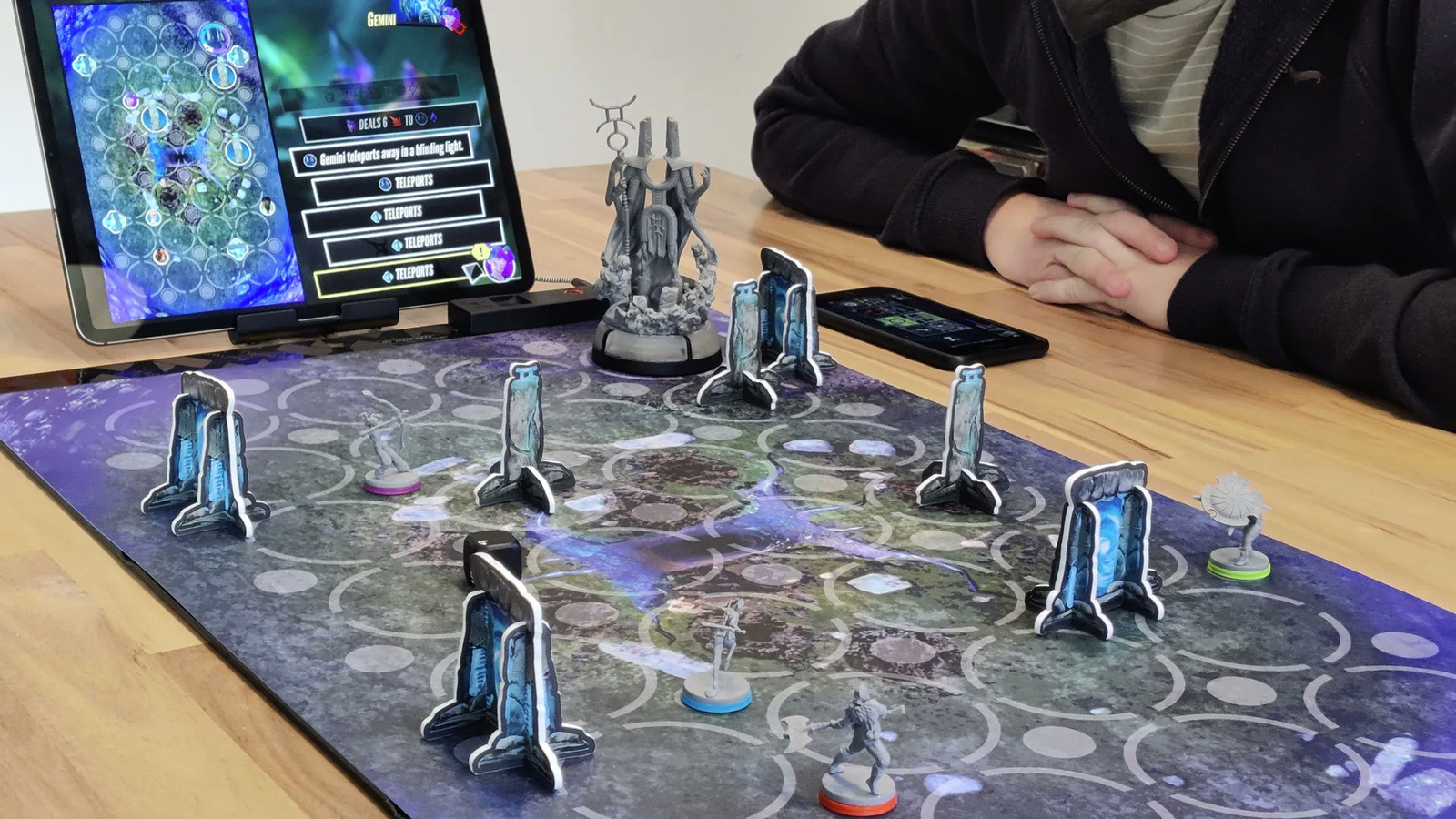
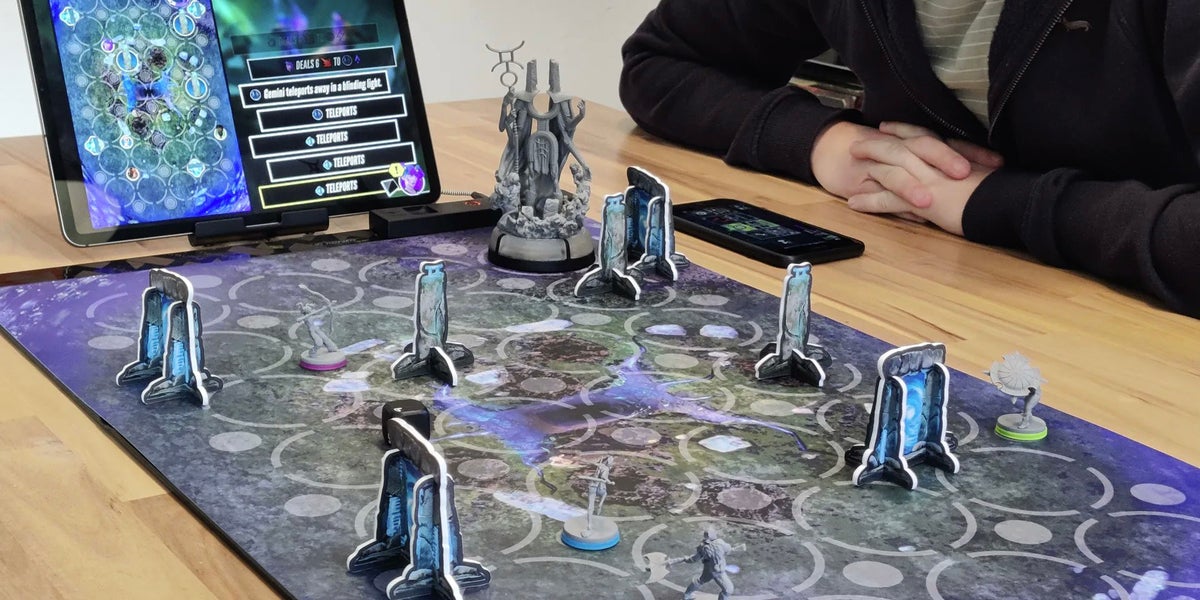
Digital hybrid board games are more than just apps with a board attached. I see them as a way to keep the tactile feel of moving pieces while letting software handle the math and hidden information. You get the physical weight of a die roll alongside the branching narrative of a video game.
What sets these games apart is that the digital portion isn’t just an add-on. It’s often integral to gameplay. This could mean using an app to manage complex rules, reveal hidden information, generate randomized events, or even act as an opponent. Early examples, like Mansions of Madness: Second Edition with its companion app controlling the horrors within, started to hint at this potential.
This isn’t a brand-new concept, but it’s gaining momentum. The increasing sophistication of mobile devices and the desire for more immersive and dynamic gaming experiences are driving this trend. It's about enriching the tabletop experience, not replacing it. It's a blend designed to appeal to both seasoned board game enthusiasts and those looking for a more tech-forward approach to tabletop gaming.
The tech making this possible
Several technological advancements are making the creation of digital hybrid games more accessible to developers. Augmented Reality (AR) is a big player, allowing developers to overlay digital information onto the physical game board. Imagine scanning a location on the board with your phone and seeing a 3D monster appear – that’s the power of AR in this space.
NFC (Near Field Communication) and RFID (Radio-Frequency Identification) technology are also becoming more common. These allow game pieces to interact with the digital world simply by being placed on the board or near a reader. This can automate setup, track player progress, or trigger unique events. It reduces the need for manual input and streamlines gameplay.
The increasing power and affordability of mobile devices are, of course, fundamental. Most people already own a smartphone or tablet capable of running the necessary apps. Platforms like Tabletop Simulator have also been influential, allowing designers to prototype and playtest hybrid concepts digitally before investing in physical production. However, it’s important to note that Tabletop Simulator is more of a virtual tabletop environment than a true hybrid game platform.
- AR overlays that project 3D monsters onto the table
- NFC/RFID integration with game pieces
- Increasing power of mobile devices
Hybrid games to watch in 2026
The hybrid space is evolving rapidly, and 2026 promises a wealth of exciting options. Here’s a look at some games to keep an eye on, covering a range of complexity and player counts. Fruit Passion: Work Your Melon, as reviewed by The Family Gamers, showcases how even seemingly simple concepts can benefit from a digital memory aid, though it’s more of a companion element than a core mechanic.
Detective: A Modern Crime Board Game remains a strong example, utilizing an app to manage clues, interrogate suspects, and navigate a complex narrative. It’s a heavier game, best suited for experienced board gamers who enjoy a challenge. The app is essential, acting as a central hub for the investigation and providing a dynamic, branching storyline.
Unlock! is a series of escape-room-in-a-box games that rely heavily on a companion app. Players scan cards to reveal clues, solve puzzles, and race against the clock. It’s a great option for a quick, cooperative experience. The app handles the timing and provides feedback on puzzle solutions.
Forgotten Oath blends a traditional fantasy board game with a persistent world managed through a companion app. The app tracks the changing political landscape, manages events, and provides a sense of a living, breathing world. It’s a complex game with a lot of depth.
Tainted Grail: The Fall of Avalon is another immersive experience, utilizing an app to manage the narrative, track character stats, and reveal map details. It’s a sprawling adventure game with a strong emphasis on storytelling. The app helps streamline the complex rules and keeps the story moving.
Mansions of Madness: Second Edition continues to be a benchmark for the genre. The app controls the monsters, reveals the map, and drives the narrative. It creates a genuinely spooky and atmospheric experience. It’s a cooperative game where players investigate mysterious events in a haunted mansion.
Chronicles of Crime uses AR to bring crime scenes to life. Players scan cards with their phones to view 3D recreations of locations and interact with virtual characters. It’s a unique and engaging way to solve mysteries.
Sleeping Gods offers a vast, open-world exploration experience with a companion app managing the ship’s log, character stats, and the unfolding narrative. The app helps keep track of the many details and provides a sense of progression.
Featured Products
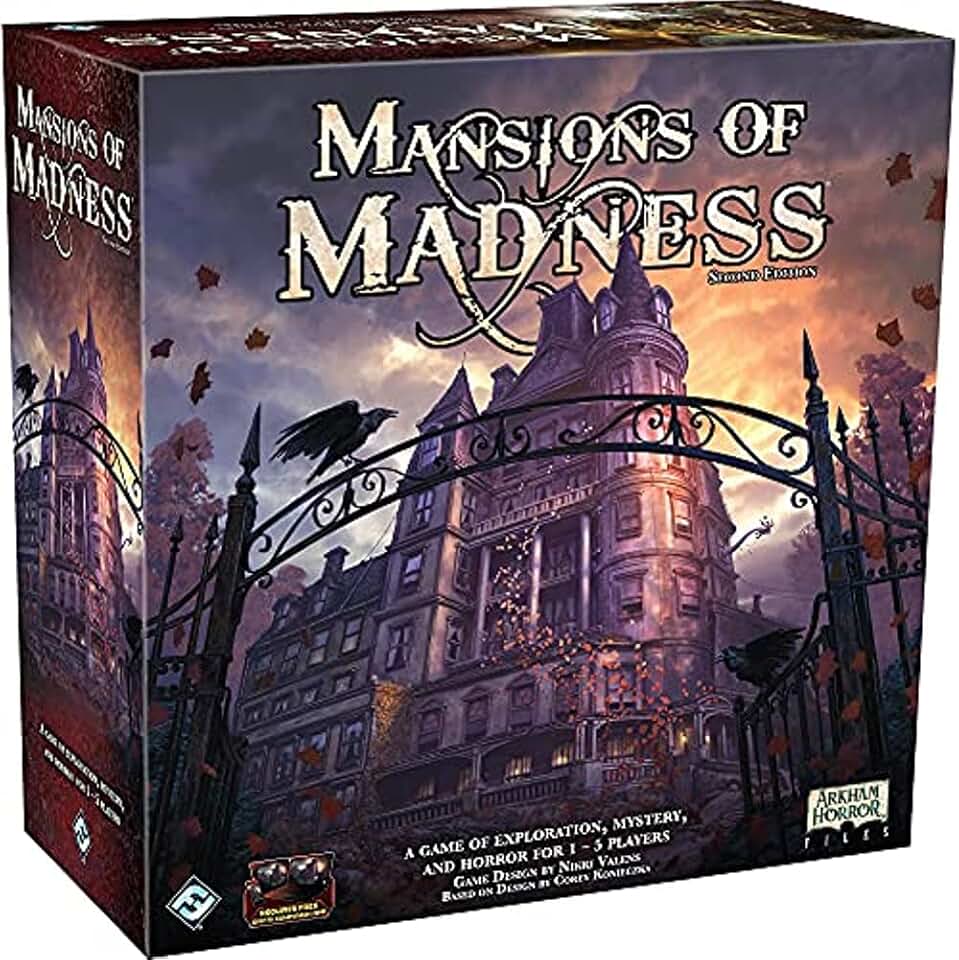
Cooperative Lovecraftian horror and mystery gameplay · App-driven narrative and events · Immersive atmosphere and detailed miniatures
This game offers a compelling narrative experience enhanced by its companion app, making it a standout digital hybrid.
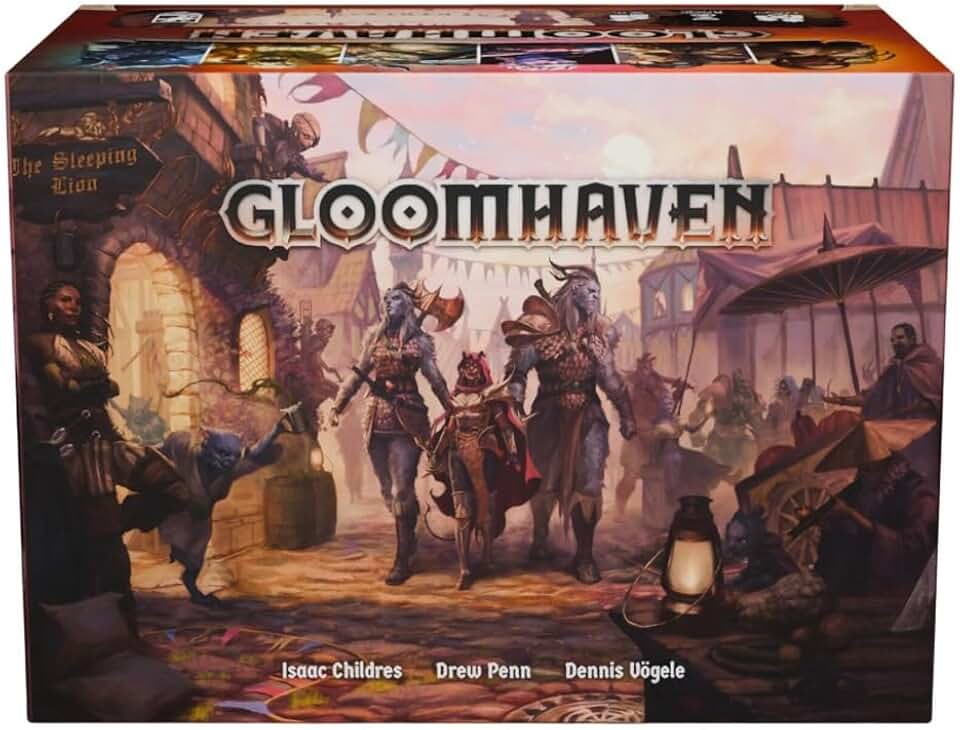
Massive cooperative campaign with legacy elements · Deep strategic combat and character progression · Vast world with over 100 scenarios
Gloomhaven's extensive campaign and deep strategy are elevated by its digital integration, offering unparalleled replayability and convenience.

Engine-building and area control mechanics · Unique dieselpunk 1920+ alternate history setting · Asymmetrical factions with distinct abilities
Scythe's intricate engine-building and strategic depth are complemented by its digital implementations, streamlining gameplay and enhancing accessibility.
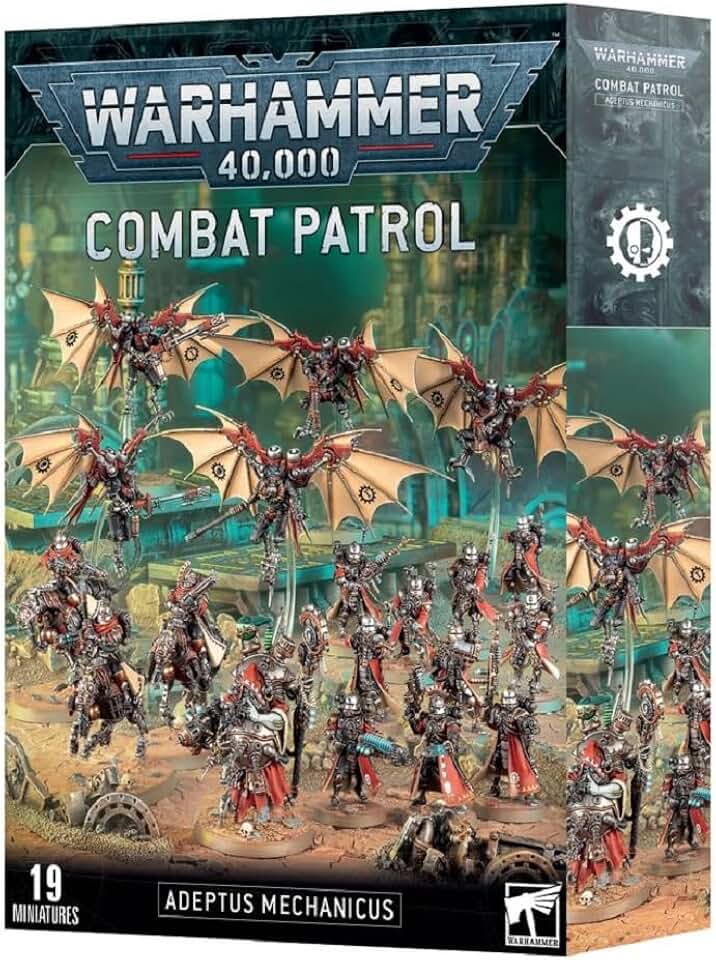
Self-contained Warhammer 40,000 army in a box · Includes miniatures for Adeptus Mechanicus forces · Designed for beginner players to enter the hobby
While primarily a physical miniatures game, Warhammer 40,000 Combat Patrols often have companion apps or digital tools that aid in army building and gameplay, offering a gateway to a vast digital ecosystem.
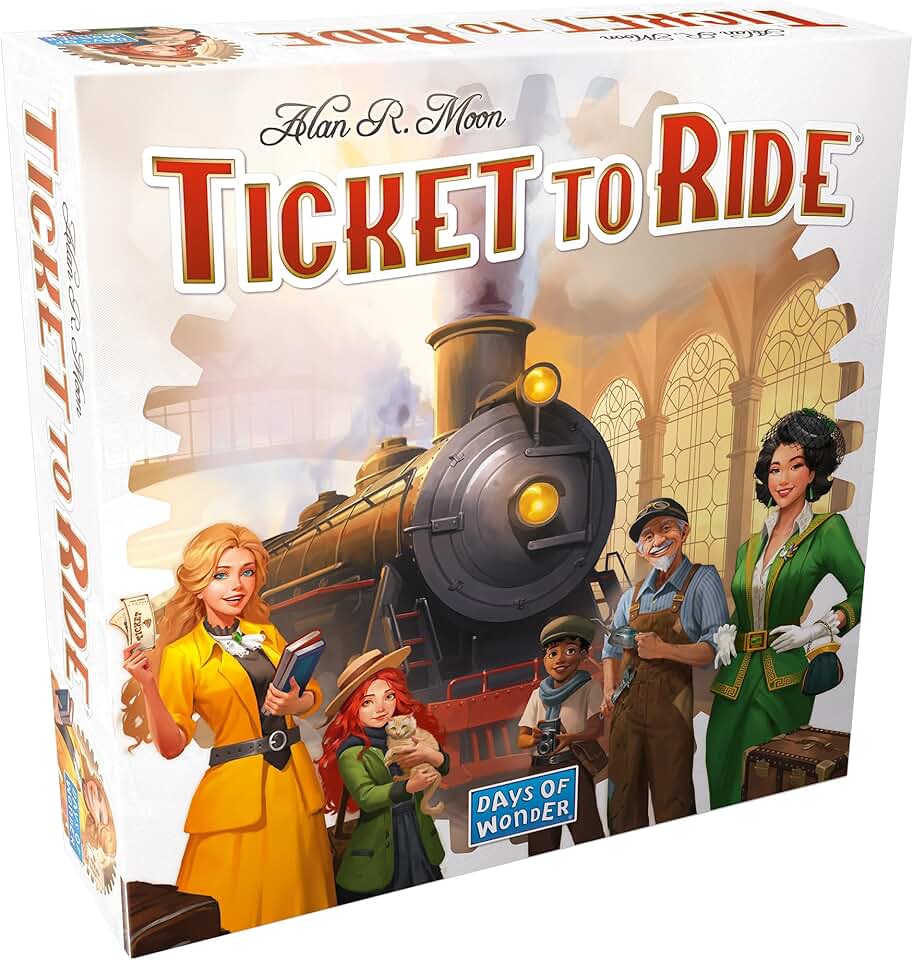
Cross-country train route building · Accessible strategy for families and friends · Quick playtime with high replayability
Ticket to Ride's streamlined gameplay and broad appeal make it an ideal candidate for digital integration, offering a familiar yet enhanced experience.
As an Amazon Associate I earn from qualifying purchases. Prices may vary.
Design Challenges and Solutions
Creating a successful digital hybrid game isn’t without its challenges. One of the biggest hurdles is achieving a balance between screen time and physical interaction. Developers need to ensure the digital component enhances the experience, rather than distracting from it or feeling like a chore.
Accessibility is another key consideration. Not all players are comfortable with technology, and some may have limited access to the required devices. It's important to design games that are inclusive and don't exclude players based on their tech skills. Avoiding a situation where the digital component feels 'tacked on' is crucial. It needs to be seamlessly integrated into the core gameplay loop.
Developers are addressing these challenges in a number of ways. Some are focusing on creating streamlined app interfaces that are easy to navigate. Others are incorporating offline functionality, allowing players to enjoy the game even without an internet connection. Clever use of QR codes and NFC tags can also reduce the amount of time players spend looking at their screens.
Digital Integration Approaches in Hybrid Board Games (2026 Outlook)
| Integration Method | Pros | Cons | Complexity | Cost |
|---|---|---|---|---|
| Companion App Only | Enhances gameplay with scoring, rule enforcement, and tutorials. Can provide solo modes or expanded content. Relatively easy to develop. | Relies on players owning and using a separate device. Can detract from the tactile experience of board gaming. Potential for app abandonment. | Low to Medium | Low to Medium |
| AR Overlay | Immersive experience layering digital elements onto the physical board. Offers dynamic visuals and interactive storytelling. Can introduce new gameplay mechanics. | Requires players to use a camera-equipped device. Susceptible to lighting conditions and device performance. Development can be complex. | Medium to High | Medium to High |
| NFC/RFID Integration | Seamless interaction between physical components and digital systems. Enables automated tracking of game state and player actions. Can reduce manual bookkeeping. | Requires embedding chips in game components, increasing manufacturing costs. Potential for technical issues with chip reading. Limited scalability for complex interactions. | Medium | Medium to High |
| Companion App with Limited AR | Combines the benefits of both app-based features and augmented reality elements for specific game events. Offers a balance between immersion and practicality. | Development requires expertise in both app development and AR technologies. AR elements may feel tacked on if not well integrated. | Medium | Medium |
| Companion App with NFC/RFID Support | Leverages NFC/RFID for quick data input while utilizing an app for more complex calculations and game management. Streamlines gameplay and reduces errors. | Requires investment in NFC/RFID tags and reader integration. App dependency remains a factor. | Medium to High | Medium to High |
Illustrative comparison based on the article research brief. Verify current pricing, limits, and product details in the official docs before relying on it.
Accessibility: Bridging the Digital Divide
Digital hybrid games have the potential to improve accessibility for some players. For example, apps can provide audio descriptions of game elements for visually impaired players, or offer alternative input methods for those with motor impairments. Dynamic difficulty adjustments can also make games more accessible to players of different skill levels.
However, it’s important to acknowledge that these games can also create barriers. The cost of required devices – smartphones, tablets, or dedicated readers – can be prohibitive for some. Screen reader compatibility is often lacking, and the reliance on visual cues can exclude players with visual impairments. The need for a stable internet connection can also be a problem.
Developers have a responsibility to address these issues. Providing offline functionality, ensuring screen reader compatibility, and offering alternative input methods are all important steps. Considering the cost of required devices and exploring options for providing access to those who can’t afford them is also crucial.
The Future of Hybrid Gameplay
I expect AI to take over the role of the 'Dungeon Master' more effectively. We already have basic AI opponents, but the next step is software that adjusts the story based on how you play. If you're breezing through a scenario, the app should be smart enough to throw a curveball without you having to manually change a difficulty setting.
I anticipate we’ll see more seamless integration between physical and digital components. Perhaps even games that use sensors to track player movements or facial expressions, and adjust the gameplay accordingly. The line between the physical and digital worlds will continue to blur, creating truly immersive experiences.
Personalized tutorials and learning experiences driven by AI are another exciting possibility. Imagine a game that analyzes your playstyle and provides tailored guidance to help you improve. While completely predicting the future is impossible, I think these developments are plausible and will significantly shape the evolution of hybrid board games.
What feature would most improve your experience with digital hybrid board games?
Vote below and tell us which improvement matters most to you as digital hybrid board games continue to blend physical play with virtual features.
No comments yet. Be the first to share your thoughts!