

Beyond the board
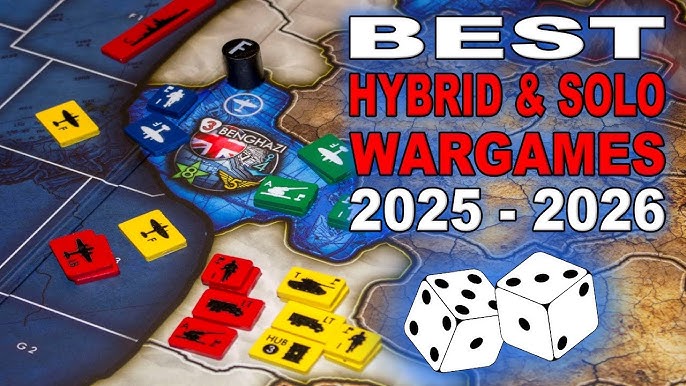
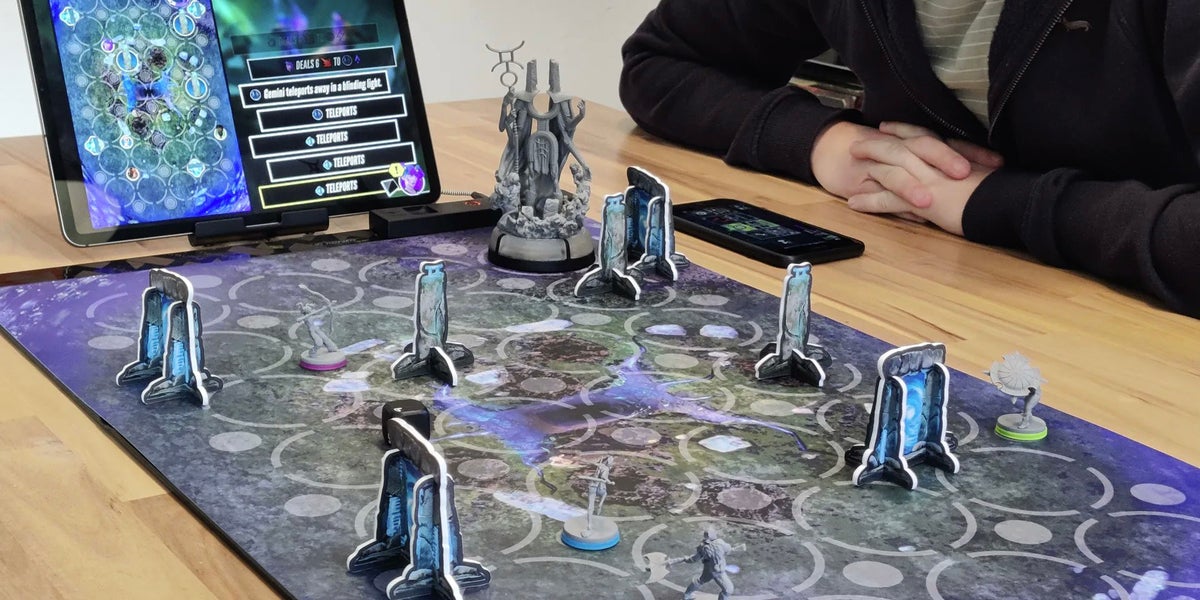
For decades, board games have existed as largely self-contained experiences. You have the board, the pieces, the rules, and your imagination. Then there are digital tabletop games, existing entirely within the digital realm. But a fascinating shift is happening: the merging of these two worlds. Hybrid digital-physical board games aren’t simply adding an app as an afterthought; they’re fundamentally designed around the interplay between physical components and digital systems.
Apps and augmented reality handle the math and rule enforcement that usually slow down game night. You keep the tactile feel of the dice and cards, but the software manages the bookkeeping. Based on current production cycles, 2026 is when we'll see the first wave of games built with this tech as a core requirement rather than a gimmick.
The appeal is broad. Traditional board game enthusiasts appreciate the added depth and complexity, while digital gamers enjoy the social interaction and tangible elements that physical games offer. This isn't just a niche; it's a growing segment of the gaming market, attracting both seasoned hobbyists and newcomers alike. It’s a chance to experience the best of both worlds.
The utility of companion apps
Perhaps the most common form of hybrid integration is the companion app. These apps don’t replace the core gameplay, but rather augment it, often handling tasks that would be cumbersome or impossible to manage manually. This can include tracking player health, managing resources, revealing hidden information, or enforcing complex game rules.
A prime example is 'Mansions of Madness: Second Edition' (Fantasy Flight Games, 2016). The app acts as the game’s "keeper,’ controlling the monsters, revealing the map, and driving the narrative. Without the app, the game would be a logistical nightmare. Instead, it becomes a thrilling, immersive experience. The app isn’t just a convenience; it’s integral to the game"s design.
Beyond rule enforcement, companion apps allow for more dynamic and evolving gameplay. They can present branching narratives, introduce unexpected events, and personalize the experience for each player. The benefit is clear: more intricate games become accessible, and even simpler games gain depth and replayability. The app handles the details, allowing players to focus on strategy and storytelling. This also helps reduce errors and arguments about the rules.
Augmented reality on the table
Taking the integration a step further, some games are utilizing augmented reality (AR) to blend the physical and digital worlds. AR overlays digital elements onto the physical board, creating a dynamic and interactive experience. This can range from simple animations to fully realized 3D environments.
’Terraforming Mars: Ares Expedition’ (Stronghold Games, 2022) is a great example. While not fully AR, it utilizes an app to manage resources, track terraforming progress, and provide a more streamlined gameplay experience. The app replaces many of the physical trackers and charts, reducing table clutter and simplifying complex calculations. It’s a subtle but effective use of digital technology.
AR offers the potential to overcome the limitations of physical components. Imagine a game where terrain changes dynamically, monsters appear and disappear, or hidden clues are revealed through your smartphone. The technology isn't quite there yet for widespread adoption, but the possibilities are incredibly exciting. It's about adding layers of information and interactivity that simply aren’t possible with traditional board games.
Terraforming Mars: Ares Expedition AR - Is This The Future of Board Games?!
Gamefruits Plays
Watch on YouTube →Digital Integration: Beyond the App
The integration doesn't stop at companion apps or AR. Many hybrid games are extending their reach to online platforms, fostering communities and enabling asynchronous play. This can involve online leaderboards, persistent world elements, or the ability to play remotely with friends.
’Gloomhaven: Jaws of the Lion’ (Cephalofair Games, 2020) demonstrates this well. While the core game is a physical tabletop experience, the game offers a digital scenario book to help manage the campaign and track player progress. The digital component streamlines setup and reduces the need for constant rule-referencing, making the game more accessible. It also allows for easier scenario tracking.
This level of integration fosters a sense of community. Players can share their experiences, discuss strategies, and compete for high scores. Asynchronous play allows players to participate at their own pace, fitting the game into their busy lives. It’s a significant shift from the traditional, synchronous nature of board gaming and opens up the hobby to a wider audience. The social element is a powerful driver of engagement.
Examples of Hybrid Digital-Physical Board Games & Integration Approaches (as of late 2023/early 2024)
| Game Title | Digital Component | Benefits Highlighted by Players | Drawbacks/Considerations |
|---|---|---|---|
| Gloomhaven: Jaws of the Lion | Companion App (scenario book, enemy stats, ability tracking) | Reduced setup time, automated enemy behavior, streamlined rule enforcement, accessibility for solo play. | Reliance on a functioning app; potential for app updates to introduce bugs; some players prefer the tactile experience of a fully physical setup. |
| Mansions of Madness: Second Edition | Companion App (scenario setup, investigation, monster behavior) | Immersive atmosphere through sound and narrative, dynamic and unpredictable gameplay, complex scenarios managed efficiently. | Requires a compatible device; potential for app glitches; can feel less 'board game-y' for some players. |
| Detective: A Modern Crime Board Game | Digital Case Files (access to online databases, evidence) | Expansive and detailed investigations, realistic crime-solving experience, access to information beyond the physical components. | Requires internet access; reliance on the digital platform; potential for server issues. |
| Unlock! | Companion App (timer, code entry, hint system) | Unique puzzle-solving experience, escape room feel, variety of themes and difficulty levels. | One-time use of cards; reliance on the app for gameplay; can be frustrating if stuck without hints. |
| T.I.M.E Stories | Companion App (scenario management, time travel mechanics) | Branching narratives, immersive storytelling, replayability through different choices. | Requires a compatible device; potential for app issues; scenarios are generally single-use. |
| Aeon's End | Companion App (Nemesis tracking, variable player powers) | Streamlined gameplay, reduced bookkeeping, dynamic enemy behavior. | Requires a compatible device; potential for app glitches; some players prefer manual tracking. |
Illustrative comparison based on the article research brief. Verify current pricing, limits, and product details in the official docs before relying on it.
The risk of digital rot
Developing hybrid board games isn’t without its challenges. The cost of app development can be significant, especially if you’re aiming for a polished, feature-rich experience. Ensuring seamless integration between the physical and digital components is also crucial. A buggy app or a poorly designed interface can ruin the entire experience.
Balancing the physical and digital elements is another key consideration. The digital component should enhance the game, not overshadow it. Players should still feel a connection to the physical pieces and the tactile joy of tabletop gaming. It's a delicate balancing act. Syncing physical actions with digital responses is also difficult from a technical standpoint.
Development is expensive because you're paying for two different types of expertise. You need the math-heavy logic of a tabletop designer alongside a software team that can keep an app running across a dozen different phone models. If the app breaks three years from now because of an iOS update, the physical box becomes a paperweight.
What to expect by 2026
Looking ahead to 2026 and beyond, I anticipate continued growth in the hybrid digital-physical board game market. Increased use of artificial intelligence (AI) could lead to more dynamic and responsive game experiences. Imagine an AI-powered "keeper" that adapts to your playstyle and provides a unique challenge each time.
We’ll likely see more sophisticated AR experiences, with games that seamlessly blend the physical and digital worlds. The technology is rapidly improving, and the cost is coming down. This will open up new possibilities for game design and create more immersive experiences. I also expect to see more games that integrate with online platforms, fostering communities and enabling asynchronous play.
The lines between physical and digital gaming will continue to blur. Games may incorporate blockchain technology for verifiable scarcity of physical components or utilize NFTs to represent unique in-game items. It’s a bit speculative, but the potential is there. The key will be to find ways to integrate these technologies in a way that enhances the gameplay experience, rather than simply adding complexity. The focus will remain on creating engaging, social experiences that combine the best of both worlds.
Strategy games challenge players to plan and execute complex tactics to achieve objectives. ⏳🗺️
— PlayToEarn (@PlayToEarn) April 14, 2026
Ranked by P2E score these crypto games are dominating the PlayToEarn leaderboards. 🏆@CronosArmy212@MedievalEmpires@BLOCKLORDS@WagmiGameCo
👉https://t.co/RI7V6fRQUp pic.twitter.com/3lvcJqdhQy
No comments yet. Be the first to share your thoughts!