
Games for a Calmer 2026
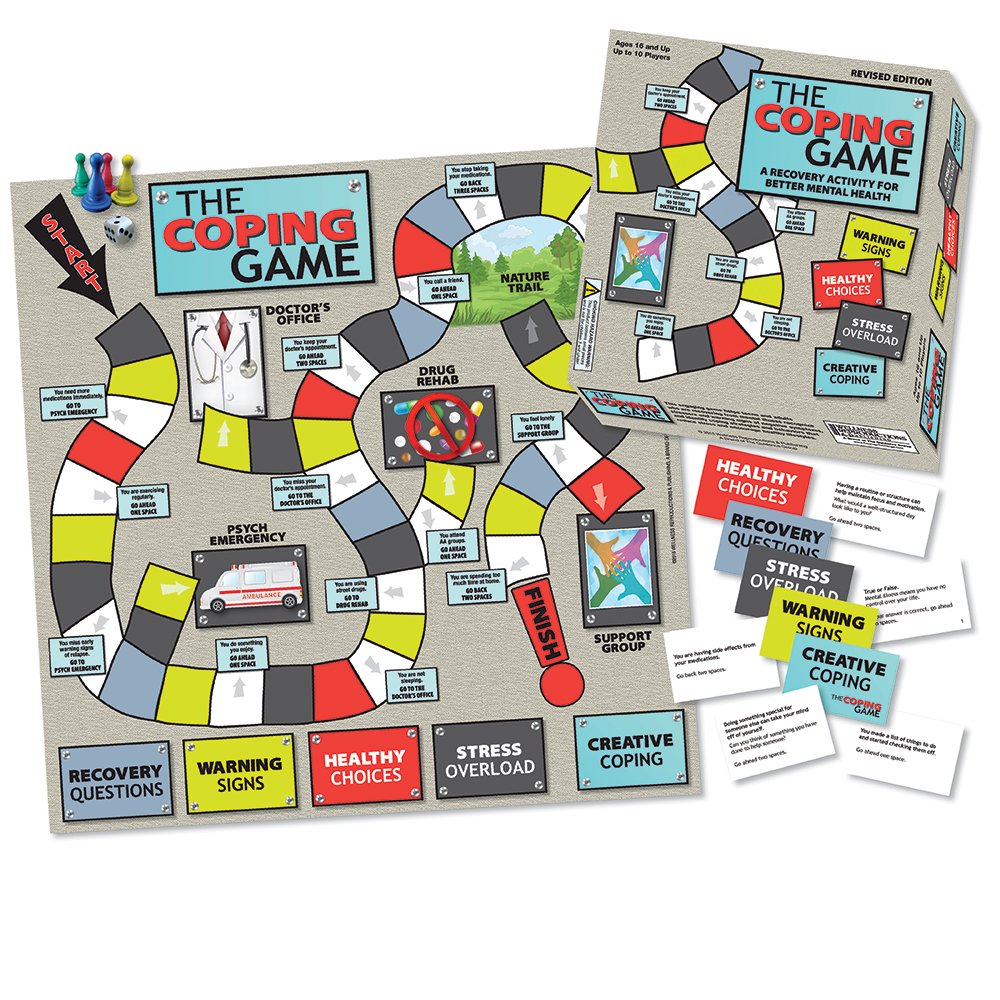
Board games are making a comeback, and it’s not just nostalgia. People want downtime and alternatives to screens. Wellness board games are emerging, designed with mental wellbeing in mind.
Mental health awareness is growing, and people want practical self-care. Board games offer a social activity, a mental workout, and a break from digital stimulation. This feels like a natural progression for the hobby.
These games prioritize connection, mindfulness, and emotional regulation through intentional design. This shift reflects a desire for more meaningful experiences and a rejection of the always-on lifestyle.
The Science Behind Play
Research supports the positive impact of board games on mental health. A narrative review by PMC explores their benefits for physical and cognitive needs.
Board games reduce stress and anxiety through mindful distraction. They also stimulate cognitive function, improving memory, problem-solving, and strategic thinking.
Board games foster social connection, releasing dopamine. This connection combats isolation. The 'flow state' achieved during gameplay increases happiness and wellbeing, acting as an antidote to daily stresses.
Board games improve emotional regulation by providing a safe space to practice turn-taking, handling wins and losses, and navigating social interactions.
Mindfulopoly & Resilience Builders
Waking Waves’ Mindfulopoly is designed to promote wellbeing. It reimagines Monopoly with an emphasis on mindfulness and resilience, featuring "Moments of Mindfulness".
The 'Moments of Mindfulness' edition includes cards prompting gratitude, self-compassion, or mindful breathing. The focus shifts from competition to collective wellbeing, emphasizing community building over bankrupting opponents.
Mindfulopoly encourages players to reflect on their values and priorities, unlike traditional Monopoly’s potential for frustration. Its mechanics promote self-awareness and emotional intelligence, encouraging kind responses to oneself and others.
The game builds skills to navigate challenges with resilience, offering a practical way to practice mindfulness. Mindfulopoly makes wellbeing accessible and enjoyable.
Cooperative Games: Shared Wellbeing
Cooperative games offer unique mental health benefits. Players work together towards a common goal, fostering teamwork, communication, and shared accomplishment, a shift from many traditional board games' individualistic focus.
The lack of direct competition reduces stress and anxiety, allowing players to support each other. A sense of camaraderie develops when working towards the same objective, making it feel good to overcome challenges as a team.
Popular examples include Pandemic (collaborating to stop disease spread), Hanabi (giving clues to play cards correctly), and The Crew: The Quest for Planet Nine (a cooperative trick-taking game). Each requires careful communication and strategic thinking.
Cooperative games appeal by tapping into our innate desire for connection and belonging. They remind us we’re stronger together, and shared success is often more rewarding than individual achievement.
- Pandemic – collaborate to stop global outbreaks.
- Hanabi – communicate through clues to play cards correctly.
- The Crew: The Quest for Planet Nine – a cooperative trick-taking adventure.
Cooperative Wellness Games
- Pandemic - Players work together as specialists to treat diseases around the globe, requiring strategic planning and communication to prevent outbreaks. Stress Level: Medium
- Spirit Island - Defend the island and its native spirits against colonizing invaders, demanding complex cooperative strategy and long-term planning. Stress Level: High
- Hanabi - A unique card game where players hold their cards facing *away* from themselves and must give each other clues to play cards in the correct order. Stress Level: Medium
- The Crew: The Quest for Planet Nine - A trick-taking game with a cooperative campaign, challenging players to complete increasingly difficult missions as a team. Stress Level: Low
- Gloomhaven: Jaws of the Lion - A cooperative campaign game where players take on the roles of mercenaries completing scenarios and developing their characters. Stress Level: Medium
- Forbidden Island - Players must work together to collect treasures and escape a sinking island before it's completely submerged. Stress Level: Low
- Paleo - A cooperative game where players take on the roles of stone age humans trying to survive by completing objectives before time runs out. Stress Level: Medium
Puzzle Games & Focused Attention
Puzzle board games improve focus and concentration. Games like Sagrada (dice drafting), Azul (tile-laying), and Calico (quilting) require careful planning and execution, which can be meditative and calming.
The repetitive nature of some puzzle games can be soothing, helping players enter a state of flow and quiet the mind. However, these games can also be frustrating when things don’t go as planned.
Managing frustration is key. Reframing setbacks as learning opportunities and focusing on the process helps maintain a positive mindset, reminding us that challenges and perseverance are natural parts of life.
These games develop mental discipline and resilience, encouraging players to slow down, pay attention to detail, and approach problems strategically.
Games for Emotional Expression
Some games encourage players to explore and express emotions constructively. Fog of Love, a two-player game simulating a romantic relationship, requires players to roleplay characters and navigate love, communication, and compromise.
Storytelling and roleplaying games can be therapeutic, providing an outlet for creativity and self-expression. Creating a supportive, non-judgmental environment is key for players to feel comfortable being vulnerable.
Approach these games with sensitivity. They are not a substitute for professional therapy but can aid self-discovery and emotional growth. Finding games that resonate with individual needs is important.
The goal is to create a space for open communication and exploration, recognizing and validating feelings, and learning to empathize with others.
Beyond the Box: Adapting Games
You don’t need a specific "wellness" game to reap benefits. Existing games can be modified to be more mindful or therapeutic. Playing a competitive game with a focus on good sportsmanship and empathy can shift the dynamic.
undefined adapted to changing circumstances, and how you collaborated with others. It’s about finding meaning beyond the immediate goal.
This approach encourages creativity and personalization. It's a reminder that the benefits of board games aren’t inherent in the game itself, but in the way you play the game. It’s about bringing intention and mindfulness to the experience.
Ultimately, the goal is to create a positive and enriching experience that promotes wellbeing. You don’t need fancy rules or specialized mechanics to achieve that.
Finding Your Game Fit
Choosing the right game depends on your individual preferences and needs. Consider factors like complexity, playtime, player count, and theme. Do you prefer a quick and lighthearted game, or a more immersive and strategic experience?
Think about what you’re hoping to achieve. Are you looking for a game to reduce stress, improve focus, or foster social connection? Do you prefer cooperative games or competitive games? Answering these questions will help you narrow down your options.
Here's a quick self-assessment to get you started:
Do you prefer solo play or group activities? Are you looking for a game that is relaxing or challenging? Do you enjoy strategic thinking or creative expression? What themes appeal to you? Considering these factors will help you find a game that fits your lifestyle and promotes your wellbeing.
- Do you prefer solo play or group activities?
- Are you looking for a game that is relaxing or challenging?
- Do you enjoy strategic thinking or creative expression?
- What themes appeal to you?
Find Your Wellness Game: A Mental Health Board Game Quiz
The world of board games is evolving! Increasingly, designers are crafting experiences specifically to support mental wellbeing. But with so many options emerging, finding the *right* game for *you* can be tricky. This short quiz will help pinpoint the type of wellness board game best suited to your needs and preferences.
No comments yet. Be the first to share your thoughts!