

Games for a Warming World
Board games are increasingly tackling climate change and sustainability. These games offer a space to explore solutions, test strategies, and engage with global challenges.
Games provide a safe environment to grapple with anxiety about the planet's future. The strategic element of managing resources and seeing consequences appeals to players. There's a shift from disaster-focused games to those highlighting systemic change and positive outcomes.
Environmental board games once focused on ecological collapse. The current trend explores how to avoid these scenarios by building resilient systems, investing in sustainable technologies, and understanding interconnected factors. This solutions-oriented gameplay is more empowering.
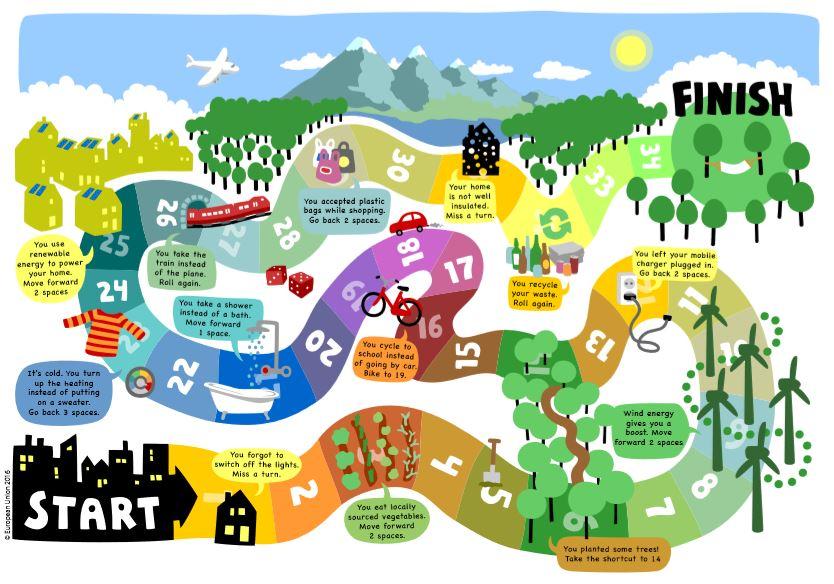
Cooperative Choices: Games About Collective Action
Cooperation is a dominant theme in climate change strategy games, requiring players to work together to mitigate environmental impacts. These games model the 'tragedy of the commons' and the importance of collective responsibility.
A classic example of this cooperative model is Pandemic, where players contain disease outbreaks through planning and coordinated action. Newer titles address environmental issues with similar mechanics, such as Near and Far, which incorporates environmental challenges into its exploration and resource management.
Games like Power Up require players to build energy infrastructure, and can be tweaked to emphasize renewable options and the challenges of transitioning away from fossil fuels. Representing the tension between short-term economic gains and long-term sustainability within cooperative frameworks is a thought-provoking challenge.
- Pandemic: A cooperative game demonstrating the need for global collaboration.
- Near and Far: Incorporates environmental challenges into exploration and resource management.
- Power Up: Can be adapted to focus on renewable energy infrastructure.
Sustainability Board Games
- Photosynthesis - Players cultivate forests by strategically planting trees, collecting sunlight, and growing them into larger trees. The game elegantly demonstrates the importance of light competition and long-term planning in forest ecosystems, mirroring real-world forestry challenges.
- Wingspan - This engine-building game focuses on attracting birds to wildlife preserves, each with unique habitat needs and abilities. Wingspan subtly highlights the interconnectedness of ecosystems and the importance of biodiversity for a healthy environment.
- Cascadia - Players create diverse Pacific Northwest ecosystems by placing habitat tiles and wildlife tokens. Cascadia emphasizes habitat creation and species placement, illustrating the impact of environmental choices on wildlife populations and ecosystem health.
- Planet - A unique game where players create their own planets by drafting and placing terrain tiles. Planet demonstrates the delicate balance needed to support life and the consequences of environmental degradation, like pollution and deforestation.
- Coralia - Players work together to grow a vibrant coral reef, placing polyps and attracting diverse marine life. This cooperative game illustrates the fragility of coral reefs and the importance of maintaining a healthy ocean ecosystem.
- Symbiotic - Players cooperate to create a thriving microbial ecosystem, balancing resource needs and fostering symbiotic relationships. Symbiotic highlights the unseen world of microorganisms and their crucial role in maintaining environmental health.
- Terraforming Mars - While not solely focused on sustainability, this game tasks players with making Mars habitable, requiring careful management of resources and environmental factors. It demonstrates the complexities of large-scale environmental engineering and the challenges of creating sustainable systems.
Systemic Shifts: Modeling Complex Environmental Systems
Some games model complex environmental systems with intricate networks of cause and effect. Policy decisions have far-reaching consequences, and players balance competing priorities like economic growth, environmental protection, and social equity.
Power Grid is an example of a game about building power infrastructure that can be adapted to focus on renewable energy sources, carbon emissions, and the impact of different energy policies. Designers must balance realism and engagement when simplifying complex systems for playability.
Games are abstractions that cannot perfectly replicate the real world, but well-designed ones provide insights into environmental systems and the consequences of actions. It's valuable to recognize the limitations of the model while appreciating its ability to illuminate complex issues.
Individual Impact: Lifestyle and Consumption Games
Some games explore the environmental impact of everyday lifestyles, focusing on individual choices. These games may involve tracking carbon footprints, making sustainable purchasing decisions, or advocating for policy changes within a simulated community to raise awareness about the cumulative effect of individual actions.
These games present dilemmas, such as choosing between cheaper, less sustainable options and more expensive, eco-friendly ones, and simulate the challenges of changing habits and overcoming social norms. Eco is an example where players build a sustainable civilization while balancing economic growth and environmental protection.
These games may primarily appeal to environmentally conscious individuals, but they can spark conversations and encourage reflection on consumption patterns, prompting thought at a minimum.
- Eco: Requires players to build a sustainable civilization while balancing economic growth and environmental protection.
Test Your Sustainability Smarts!
Many board games are now designed to teach players about the complexities of climate change and sustainable practices. This quiz will test your knowledge of these concepts, mirroring the themes explored in the latest generation of environmental strategy games. See how well you understand the challenges and solutions facing our planet!
Beyond Disaster: Games Focused on Restoration
A growing number of climate change games focus on repairing damage, restoring ecosystems, and building a sustainable future. These games offer a hopeful message that it's not too late to make a difference, which is crucial for combating climate anxiety and inspiring action.
These games involve rewilding landscapes, cleaning up pollution, or developing technologies to reverse environmental degradation. Terraforming Mars, though set on another planet, uses core mechanics of ecosystem building, resource management, and long-term planning applicable to real-world restoration.
Positive narratives are important for addressing climate change, as people are more likely to engage with solutions when they believe a better future is possible. Restoration games foster this belief, offering agency and hope by shifting focus from loss to rebuilding.
Games for Younger Players: Environmental Education
Board games designed for younger players are increasingly teaching environmental concepts to foster the next generation of environmental stewards. These games use simplified mechanics, engaging themes, and colorful artwork to make learning fun.
Many games focus on concepts like recycling, conservation, and biodiversity, using mechanics like animal habitats to teach about protecting ecosystems. Others focus on sustainable farming, renewable energy, or reducing waste. Photosynthesis teaches about tree growth and the importance of sunlight.
Successful environmental education for children is interactive and engaging. Games allowing experimentation, choices, and consequence observation are more effective than lectures. These games are a fun, accessible way to instill responsibility towards the planet.
- Photosynthesis: Teaches about how trees grow and the importance of sunlight.
Environmental Board Game Comparison - 2026
| Game Title | Recommended Age Range | Primary Learning Objective | Complexity | Player Engagement |
|---|---|---|---|---|
| Photosynthesis | 8+ | Forest Ecosystems, Strategic Tree Planting | Medium | High |
| Wingspan | 10+ | Bird Conservation, Biodiversity, Ecosystem Building | Medium-High | High |
| Planet | 8+ | Planet Creation, Wildlife Preservation, Ecosystem Balance | Medium | Medium-High |
| Cascadia | 8+ | Habitat Creation, Wildlife Conservation, Ecosystem Diversity | Low-Medium | Medium |
| Parks | 10+ | National Park Preservation, Hiking, Resource Management | Medium | Medium |
| Coralia | 10+ | Coral Reef Ecosystems, Biodiversity, Symbiotic Relationships | Medium | Medium-High |
Illustrative comparison based on the article research brief. Verify current pricing, limits, and product details in the official docs before relying on it.
Standout Titles: Worth a Closer Look
Eco stands out for its ambitious scope and attempt to model a fully functioning ecosystem. Players collaborate to build a sustainable civilization while contending with economics, politics, and environmental regulations. The game's emergent gameplay creates unique challenges and opportunities.
Terraforming Mars is popular for good reason. Its core mechanics of ecosystem building and resource management are relevant to real-world sustainability challenges. The engine-building aspect is satisfying, and transforming a barren planet into a habitable world offers a sense of accomplishment. It's a strategic game and a good introduction to long-term environmental planning.
Wingspan focuses on attracting birds to wildlife preserves, highlighting biodiversity and ecosystem interconnectedness. Its elegant engine-building mechanics and stunning artwork make it accessible yet deep. These three games represent the best of the genre.
No comments yet. Be the first to share your thoughts!