

Beyond Monopoly: Why Complex Strategy Games Are Booming
For years, the board game shelf felt…stagnant. Dominated by classics like Monopoly and Scrabble, it seemed like little had changed. But something remarkable has happened in the last decade. Board gaming is experiencing a full-blown renaissance, and adults are leading the charge. We’re seeing a massive shift towards games that demand more than just luck; games that require genuine strategic thinking.
Complex strategy games offer a refreshing change from quick, disposable entertainment. They provide a mental workout, a chance to really think and plan, and a fantastic way to connect with friends and family around a table. This focused engagement is particularly appealing.
The market reflects this growing demand. The US tabletop games market generated approximately $1.6 billion in revenue in 2023, with projections showing continued growth. Game designers are responding with increasingly sophisticated experiences, intricate rulesets, and compelling themes. This hobby is constantly evolving.
Tackling these games offers a real sense of discovery and mastery. Learning the rules is just the first step; understanding the nuances and developing effective strategies takes time and effort, which is part of what makes it so rewarding. This hobby provides countless hours of challenging and engaging gameplay.
Hmm i only once seen that type of thing happen, so i will give the benefit of a doubt and ask three things:
— EliteMan (@Gilde_gothic) April 12, 2026
What would you say is your personal vibe?
Do you like strategy games?
And what is your fav color?
The Weight of Decisions: Understanding Game Complexity
A complex strategy game is defined by more than just a large rulebook. It’s about the depth and interconnectedness of player choices. Branching decision trees—where each action opens multiple possibilities and potential outcomes—are a key element. Simple games offer limited paths; complex games present ambiguity and require players to weigh risks and rewards.
Asymmetric player powers are another hallmark. Each player starts with unique abilities or resources, forcing them to adapt their strategy based on their strengths and weaknesses. Resource management is critical, often involving multiple resource types that must be carefully balanced and allocated. Hidden information, like secret objectives or cards, adds intrigue and uncertainty.
Variable game setup ensures no two games are the same. Shuffling different tiles, cards, or scenarios creates a dynamic and unpredictable experience. These elements combine for high replayability and strategic depth. Terraforming Mars, for example, consistently offers new challenges even after dozens of plays.
Complexity isn't about making a game difficult for its own sake. It's about creating a system with meaningful choices and emergent gameplay, offering players the freedom to explore different strategies and create unique narratives within the game world.
Terraforming Mars: A Planetary Puzzle
Terraforming Mars, designed by Jacob Fryxelius and published by FryxGames in 2016, is a prime example of a modern strategy game that has captivated players worldwide. The core mechanic revolves around transforming Mars into a habitable planet by increasing oxygen levels, raising the temperature, and creating oceans. Players achieve this through card drafting and resource conversion, carefully selecting projects that advance their own agendas while contributing to the overall terraforming effort.
Players can focus on different paths to victory in Terraforming Mars, such as maximizing their terraforming rating, building a powerful resource production engine, or dominating the board with cities, forests, and oceans. The card drafting element is crucial; players must carefully evaluate which projects complement their strategy and deny opponents opportunities. I constantly adjust my plans based on available cards.
A single game of Terraforming Mars typically takes between 90 and 120 minutes, making it a substantial commitment. Player interaction is generally indirect, primarily through competition for resources and milestones. However, there are opportunities for direct conflict, such as claiming valuable tile placement spots or triggering events that negatively impact other players. It plays best with 2-4 players.
The engine-building aspect of Terraforming Mars is particularly enjoyable. As the game progresses, players develop increasingly efficient systems for generating resources and executing projects. It’s satisfying to see your engine come to life and start churning out victory points. The game rewards long-term planning and strategic foresight.
Gloomhaven: Jaws of the Lion – Dungeon Crawling Reimagined
The Gloomhaven universe is known for complexity and depth, but Gloomhaven: Jaws of the Lion, published by Cephalofair Games in 2020, offers a more accessible entry point. This standalone game retains the core elements of its predecessor—a legacy campaign system, character progression, and tactical combat—but streamlines the rules and provides a more guided experience. It’s a fantastic way to experience the world of Gloomhaven without being immediately overwhelmed.
The legacy campaign system is a defining feature of Jaws of the Lion. As players complete scenarios, they unlock new content, modify the game board, and make permanent changes to the game world. This creates a sense of ongoing narrative and investment. Character progression is equally engaging, with players earning experience points, unlocking new abilities, and acquiring powerful items.
Combat in Jaws of the Lion is tactical and card-based. Each character has a unique deck of ability cards, and players must carefully choose which cards to play each round. The card-based action selection system forces players to make difficult decisions, balancing offense, defense, and movement. It’s a challenging system, but incredibly rewarding when you pull off a clever maneuver.
Be warned: Gloomhaven: Jaws of the Lion is a significant time commitment. A full campaign can take dozens of hours to complete. This game is best enjoyed with a dedicated group of players willing to invest the time and effort required to fully experience its depth. It’s a great game, but it’s a commitment!
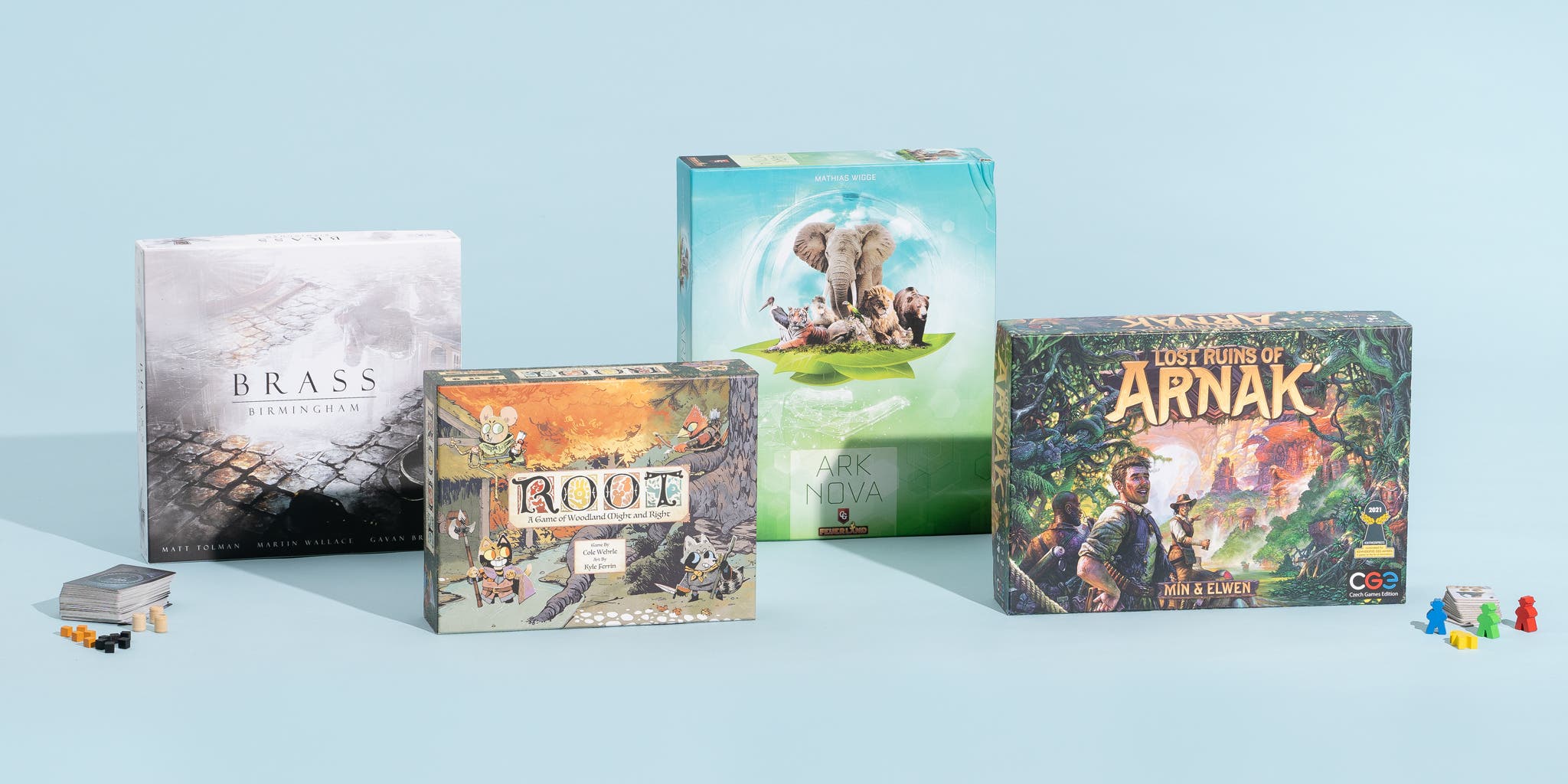
Brass: Birmingham – Industrial Revolution on Your Tabletop
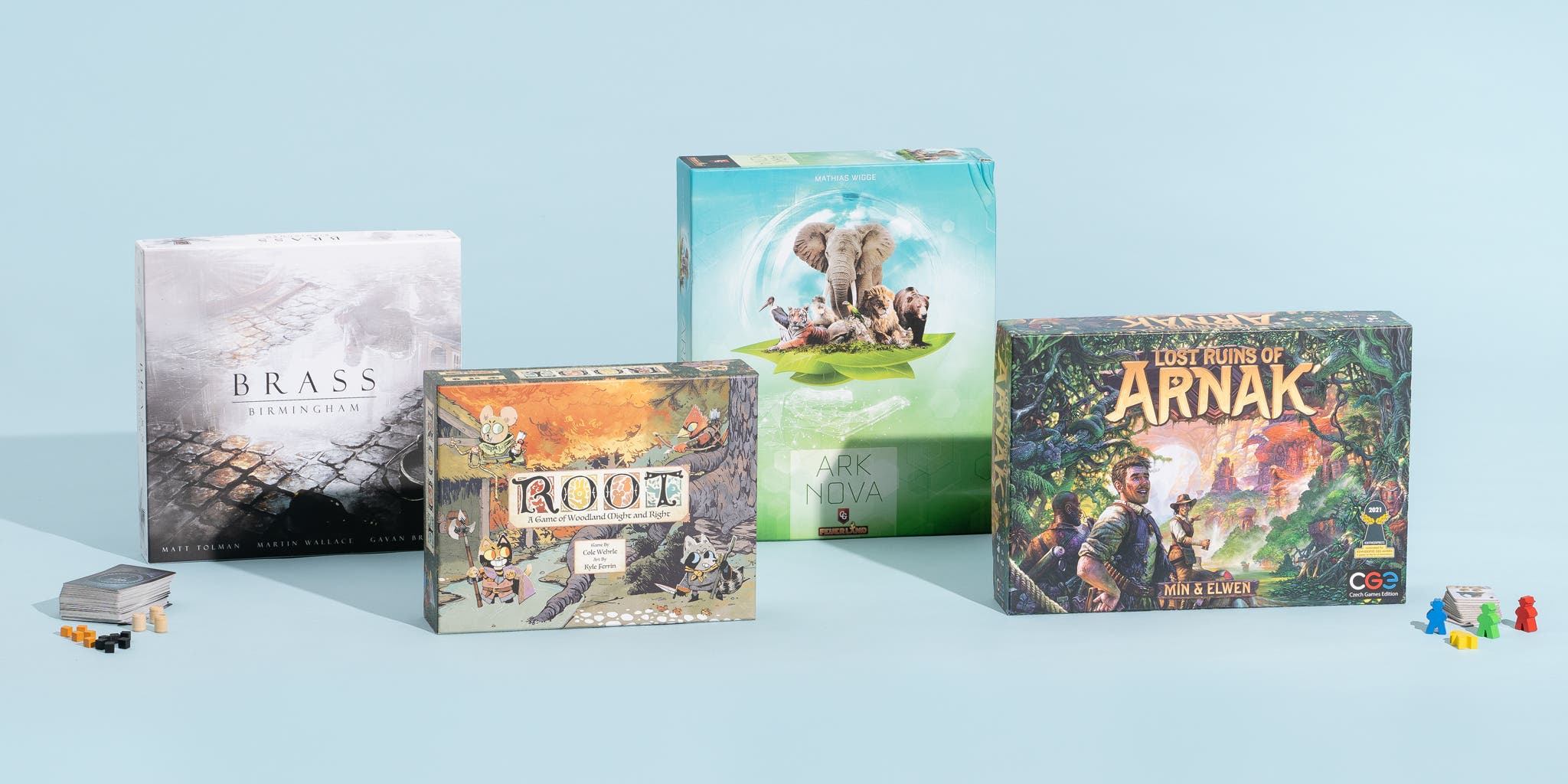
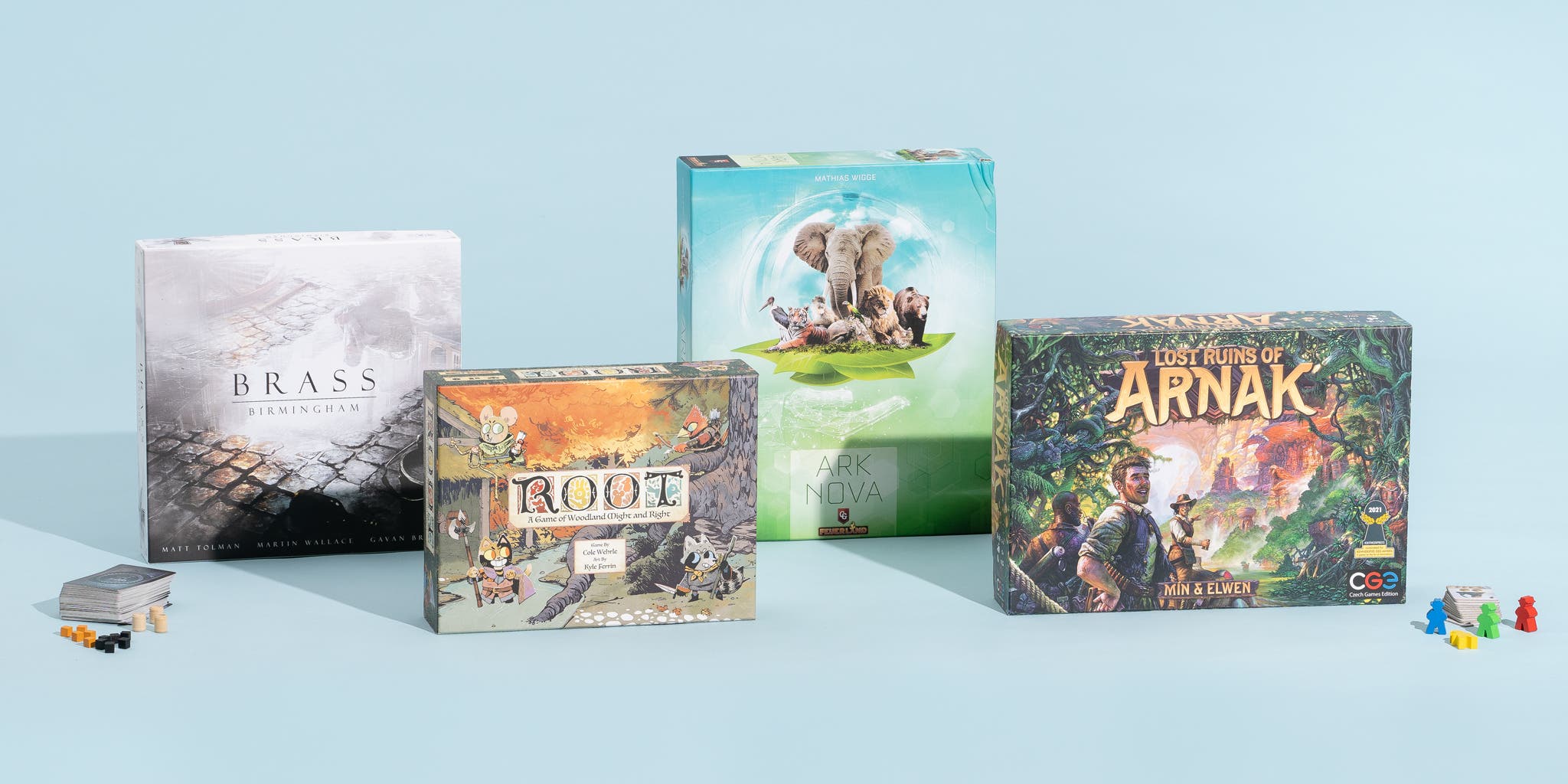
Brass: Birmingham, designed by Martin Wallace and published by Roxley in 2018, simulates the industrial revolution in 18th and 19th century England. Players compete to build canals, railroads, and industries, earning victory points based on their network and business profitability. It’s a game of ruthless competition and strategic planning.
The game revolves around network building and resource management. Players must carefully manage coal, iron, and money to construct buildings and connect them to a network of canals and railroads. Loan mechanics add complexity, forcing players to balance short-term needs with long-term financial stability. Timing is absolutely critical in Brass: Birmingham.
Anticipating opponents’ moves is essential for success. Players must constantly assess the board state and predict where rivals will attempt to expand. Blocking opponents, disrupting their supply chains, and outbidding them for valuable resources are all viable strategies.es. This is a game where you need to be thinking several steps ahead.
This game is notoriously difficult to master. It demands careful planning, shrewd negotiation, and a willingness to adapt to changing circumstances. Brass: Birmingham isn’t for the faint of heart, but the sense of accomplishment after a well-played game is immense.
Twilight Imperium (Fourth Edition): Galactic Conquest
If you’re looking for an epic gaming experience, look no further than Twilight Imperium (Fourth Edition), published by Fantasy Flight Games in 2017. This grand strategy game of galactic conquest is a true behemoth, offering a sprawling universe, complex political maneuvering, and thrilling fleet combat. It’s a game that will consume an entire day—or even a weekend.
The game involves players taking on the roles of different galactic civilizations, each with unique abilities and objectives. Players explore the galaxy, colonize planets, build fleets, research technologies, and engage in diplomacy and warfare. Political maneuvering is just as important as military strength. Players must forge alliances, negotiate treaties, and manipulate the galactic council to achieve their goals.
Twilight Imperium is not for the casual gamer. A single game can easily take 6-12 hours to complete, and requires a dedicated group of players who are willing to invest the time and effort. It’s a huge undertaking, but incredibly rewarding for those who embrace its complexity.
The sheer scale of Twilight Imperium is breathtaking. The game includes hundreds of miniatures, a massive game board, and a detailed rulebook. It’s a truly immersive experience that will transport you to a galaxy far, far away. This is a game for dedicated groups looking for a truly unforgettable experience.
Scythe: Engines of Agriculture and Industry
Published by Stonemaier Games in 2016, Scythe blends area control, engine building, and resource management in a beautifully realized alternate 1920s Eastern Europe. Players take on the roles of factions vying for control of the land, developing their economies, recruiting workers, and deploying mechs. It’s a game of strategic planning and tactical execution.
What sets Scythe apart is its asymmetric player factions. Each faction has unique abilities, starting resources, and objectives, forcing players to adapt their strategy based on their strengths and weaknesses. Planning ahead is crucial, as players must carefully consider the long-term consequences of their actions. Every decision matters.
The game's engine-building aspect is particularly satisfying. Players gradually improve their economies, unlock new technologies, and increase their production capacity. The art style, inspired by Polish illustration, is also a major draw. It really adds to the game’s immersive atmosphere.
While there is a degree of conflict in Scythe, it’s not a purely war game. Players can achieve victory through economic dominance, territorial control, or completing objectives. This creates a dynamic and engaging gameplay experience where multiple paths to victory are viable.
Root: Asymmetric Warfare in a Woodland Realm
Root, designed by Kyle Keating and published by Leder Games in 2018, is a truly unique strategy game known for its radical asymmetry. Players take on the roles of different woodland factions—the Marquise de Cat, the Eyrie Dynasties, the Woodland Alliance, and the Vagabond—each with completely different rules and objectives. It’s a game that challenges players to think outside the box.
The defining feature of Root is its highly asymmetric gameplay. The Marquise de Cat plays like a traditional area control game, building structures and controlling territory. The Eyrie Dynasties use a decree-building system to control their actions. The Woodland Alliance relies on guerilla warfare and rebellion. And the Vagabond is a lone wanderer who explores the forest and completes quests. Adapting to different opponents is key.
This asymmetry creates a dynamic and unpredictable gameplay experience. Players must constantly adjust their strategies based on the actions of their opponents. It’s a game that rewards creativity and adaptability. Learning to play against each faction is a significant challenge.
Root is a really innovative design that has pushed the boundaries of what a strategy game can be. It’s a game that will stay with you long after you’ve finished playing.
Spirit Island: Cooperative Defense of the Island
For those who prefer to work together rather than compete, Spirit Island, designed by R. Eric Reuss and published by Greater Than Games in 2017, is an excellent choice. This cooperative strategy game puts players in the roles of powerful spirits defending an island from colonizing invaders. It’s a challenging but very satisfying experience.
Each spirit has unique powers and abilities, and players must work together to use those powers effectively. The game features an escalating threat level, as the invaders become more aggressive and numerous over time. Players must carefully manage their resources and coordinate their actions to repel the invaders before they overwhelm the island.
The unique spirit powers are a key element of Spirit Island. Some spirits focus on manipulating the land, while others control the elements or summon powerful creatures. It’s a game that rewards teamwork and communication. It’s a tough game, but incredibly rewarding when you succeed.
Spirit Island offers a refreshing change of pace from traditional competitive strategy games. It’s a game that emphasizes cooperation, problem-solving, and strategic thinking.
Ark Nova: Building a Modern Zoo
Published by Schmidt Spiele in 2021, Ark Nova is a complex engine-building game about designing and running a modern, scientifically managed zoo. Players draft cards to build enclosures, acquire animals, and support conservation projects. It’s a surprisingly thematic and engaging experience.
The core mechanic of Ark Nova is card drafting. Players carefully select cards that will help them develop their zoo, attract visitors, and advance their conservation efforts. Habitat construction is also crucial, as players must create suitable environments for their animals. The game balances economic engine building with a strong thematic focus on conservation.
It's a surprisingly thematic game, with a lot of attention paid to the details of zoo management. Players must consider the needs of their animals, the preferences of their visitors, and the scientific value of their conservation projects. It’s a game that’s both challenging and rewarding.
Ark Nova offers a lot of strategic depth and replayability. With a wide variety of animals, enclosures, and conservation projects to choose from, each game feels unique.
Barrage: A Hydroelectric Challenge
Barrage, designed by Shem Phillips and published by Stonemaier Games in 2019, is a worker placement game focused on building hydroelectric dams. Players compete to generate the most energy by constructing dams, managing water flow, and investing in technologies. It’s a clever and engaging game with a unique theme.
The game revolves around the unique resource management of water. Players must carefully manage the flow of water through their dams to maximize energy production. The strategic importance of water flow is central to the gameplay. It's a fascinating and innovative mechanic.
Worker placement is also a key element of Barrage. Players strategically place their workers on different action spaces to gather resources, construct dams, and research technologies. Blocking opponents and securing valuable action spaces is crucial for success.
Barrage is a really clever design that offers a unique and challenging gameplay experience. It’s a game that will appeal to fans of worker placement and resource management.
War of the Ring (Second Edition): A Battle for Middle-earth
Based on J.R.R. Tolkien’s The Lord of the Rings, War of the Ring (Second Edition), designed by Andrea Angiolino and Francesco Nepitello and published by Ares Games in 2017, is a grand strategy game that captures the epic scope of the story. Players take on the roles of the Free Peoples or the Shadow Armies, battling for control of Middle-earth.
The game features asymmetric factions, with the Free Peoples attempting to destroy the One Ring while the Shadow Armies try to defend it. The campaign map is a central element of the gameplay, as players move armies, engage in battles, and complete objectives. The epic battles are resolved using a unique dice-rolling system.
It's a long game, typically taking 3-8 hours to complete, and requires a dedicated group of players. It’s a game that truly captures the feel of the books, with its themes of good versus evil, courage, and sacrifice.
War of the Ring (Second Edition) is a must-have for fans of The Lord of the Rings and grand strategy games. It’s a challenging, immersive, and unforgettable experience.
Obsidian: A Volcanic Kingdom
Obsidian, designed by Etienne Herve, published by Devir in 2022, is a 4X game (explore, expand, exploit, exterminate) set in a world dominated by volcanoes. Players control civilizations vying for dominance, building temples, summoning guardians, and harnessing the power of the volcanoes. It’s a relatively new game, but it’s gaining a lot of attention.
The game features tile-laying mechanics, as players add new tiles to the game board, expanding their territories and discovering new resources. Resource management is also crucial, as players must carefully balance their production of energy, materials, and influence. Area control is a key element of the gameplay.
Obsidian offers a unique and challenging gameplay experience. The volcanic theme is well-integrated into the mechanics, creating a dynamic and unpredictable world. It requires long-term planning and strategic thinking.
While still relatively new, Obsidian is quickly becoming a favorite among fans of 4X strategy games.
Anachrony: Temporal Mechanics and Resource Management
Anachrony, designed by Mindclash Games and published in 2017, is a worker placement game with a unique twist: time travel. Players control corporations striving to rebuild a post-apocalyptic world, sending workers back in time to acquire resources and influence events. It’s a mind-bending game that requires careful planning.
The game features a complex resource management system, with players needing to balance their production of energy, materials, and knowledge. The time-travel mechanics add another layer of complexity, as players can send workers back in time to alter the past and create paradoxes. The strategic depth is immense.
Anachrony is not a game for the faint of heart. It requires a significant investment of time and effort to learn the rules and master the strategies. It’s a game that will challenge your brain and reward your ingenuity.
Anachrony's time-travel mechanics are a truly innovative addition to the worker placement genre.
Underwater Cities: Building a Submerged Metropolis
Designed by Vladimir Suchý and published by Czech Games System in 2018, Underwater Cities is a card-drafting and city-building game set in a future where humanity has retreated beneath the waves. Players compete to build the most thriving underwater metropolis, constructing habitats, generating resources, and researching technologies.
The core mechanic of Underwater Cities is card drafting. Players carefully select cards that will help them develop their city, balancing their needs for oxygen, energy, and food. Planning ahead is essential, as players must consider the long-term consequences of their actions. It’s a beautiful and challenging game.
The game features a unique action selection system, where players must activate action cards by spending resources. This creates a dynamic and interactive gameplay experience. It’s a game that rewards careful planning and strategic thinking.
Underwater Cities is a visually stunning game with a compelling theme and engaging gameplay. It’s a must-have for fans of city-building and card-drafting games.
Top Strategy Board Games
- Twilight Imperium (Fourth Edition) - A truly epic space opera experience. Expect a *very* long playtime (6-12+ hours) and a high player count (3-6). It’s a game of galactic conquest, political maneuvering, and technological advancement. It's a significant investment in both time and money.
- Gloomhaven - A cooperative campaign game of dungeon crawling with a legacy element. Players work together to complete scenarios, upgrade their characters, and unlock new content. Known for its immense replayability and challenging tactical combat.
- Through the Ages: A New Story of Civilization - A civilization-building game where players guide their nation through history, developing technologies, constructing wonders, and managing resources. It's a complex game with a steep learning curve, but incredibly rewarding.
- Terraforming Mars - Players compete to make Mars habitable by raising the temperature, creating oceans, and introducing plant life. A strategic game with a lot of engine-building and resource management. It offers a good balance between complexity and accessibility.
- Scythe - Set in an alternate 1920s Eastern Europe, Scythe blends engine-building, area control, and resource management. It features beautiful artwork and a unique asymmetric gameplay experience. While complex, it’s often considered more approachable than some of the heavier titles.
- Brass: Birmingham - An economic strategy game set during the Industrial Revolution in England. Players build networks of canals and railroads, establish industries, and compete for dominance. Known for its tight gameplay and strategic depth.
- Spirit Island - A cooperative game where players take on the roles of powerful spirits defending their island from colonizing invaders. A unique and challenging game with a strong theme and asymmetrical player powers. Learn more here
No comments yet. Be the first to share your thoughts!