
The evolving world of strategy games
There’s something deeply satisfying about a well-executed strategy. It’s a feeling that’s kept board games like Settlers of Catan popular for decades, but the world of strategy games for adults is no longer defined by a single title. The demand for engaging, challenging tabletop experiences is growing; we’ve seen a 15% increase in strategy game searches on Game Fruits over the last year alone.
However, the landscape has shifted. Players aren’t just looking for resource management and area control anymore. They want games with strong themes, asymmetrical gameplay, and difficult decisions that truly test their skills. The bar has been raised, and designers are responding with increasingly innovative and complex creations. A simple dice roll isn’t going to cut it—players want agency and meaningful choices.
The modern strategy game is about more than just winning; it's about the journey, the narrative, and the mental workout. It's about grappling with uncertainty and adapting to unexpected challenges. We’re seeing a move away from purely abstract games toward experiences that feel immersive and rewarding, even in defeat.
Top 12 strategy games for adults
Here are twelve of the most strategically rich and rewarding strategy games available, offering a range of complexity and themes for players willing to invest their time.
1. Gloomhaven: (1-4 players, 60-120 minutes) A massive legacy campaign game where players take on the roles of mercenaries completing scenarios and unlocking new abilities. Gloomhaven is known for its tactical combat and branching narrative. You’ll like this if… you enjoy a long-term commitment and a deeply immersive experience.
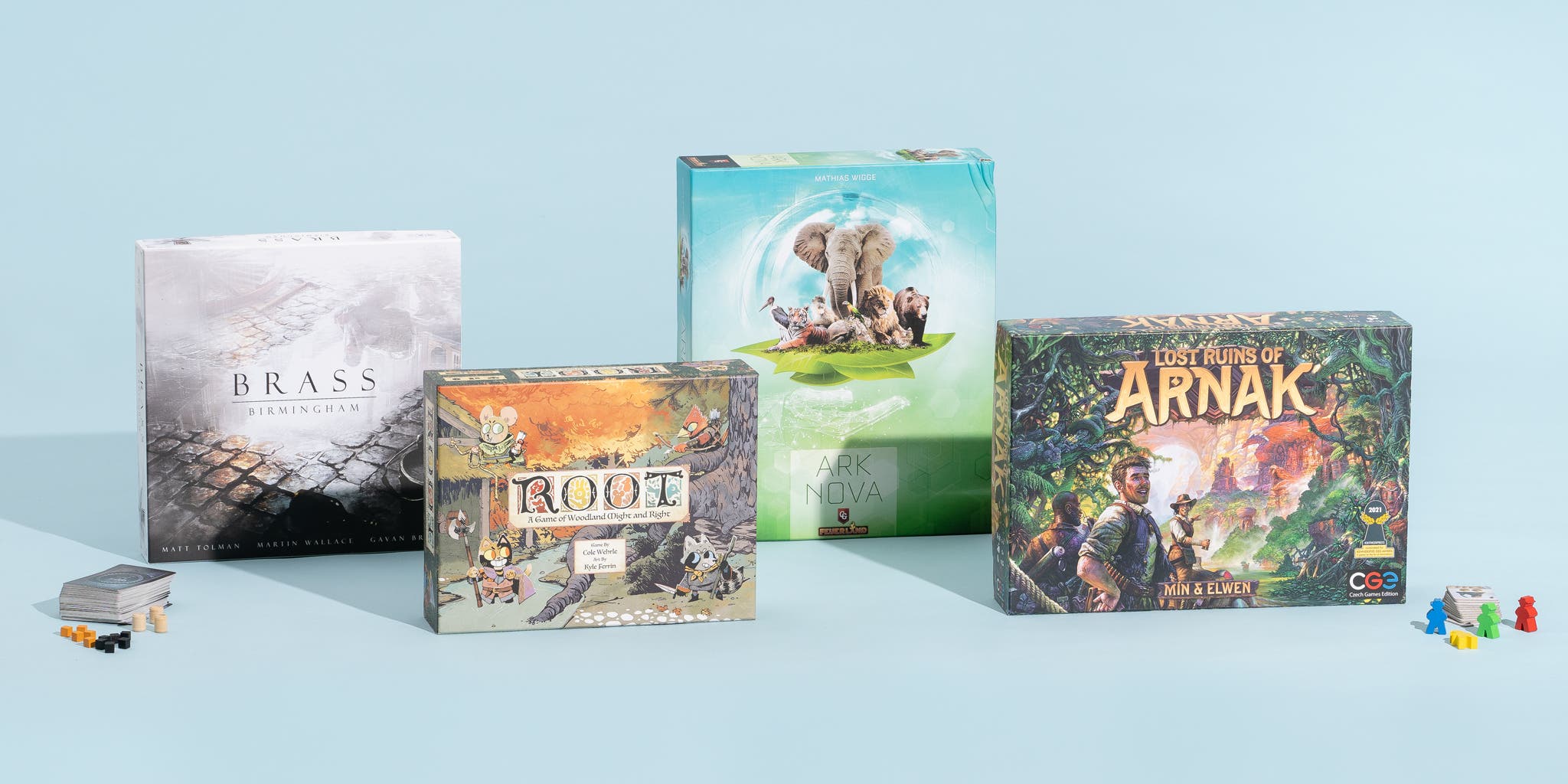
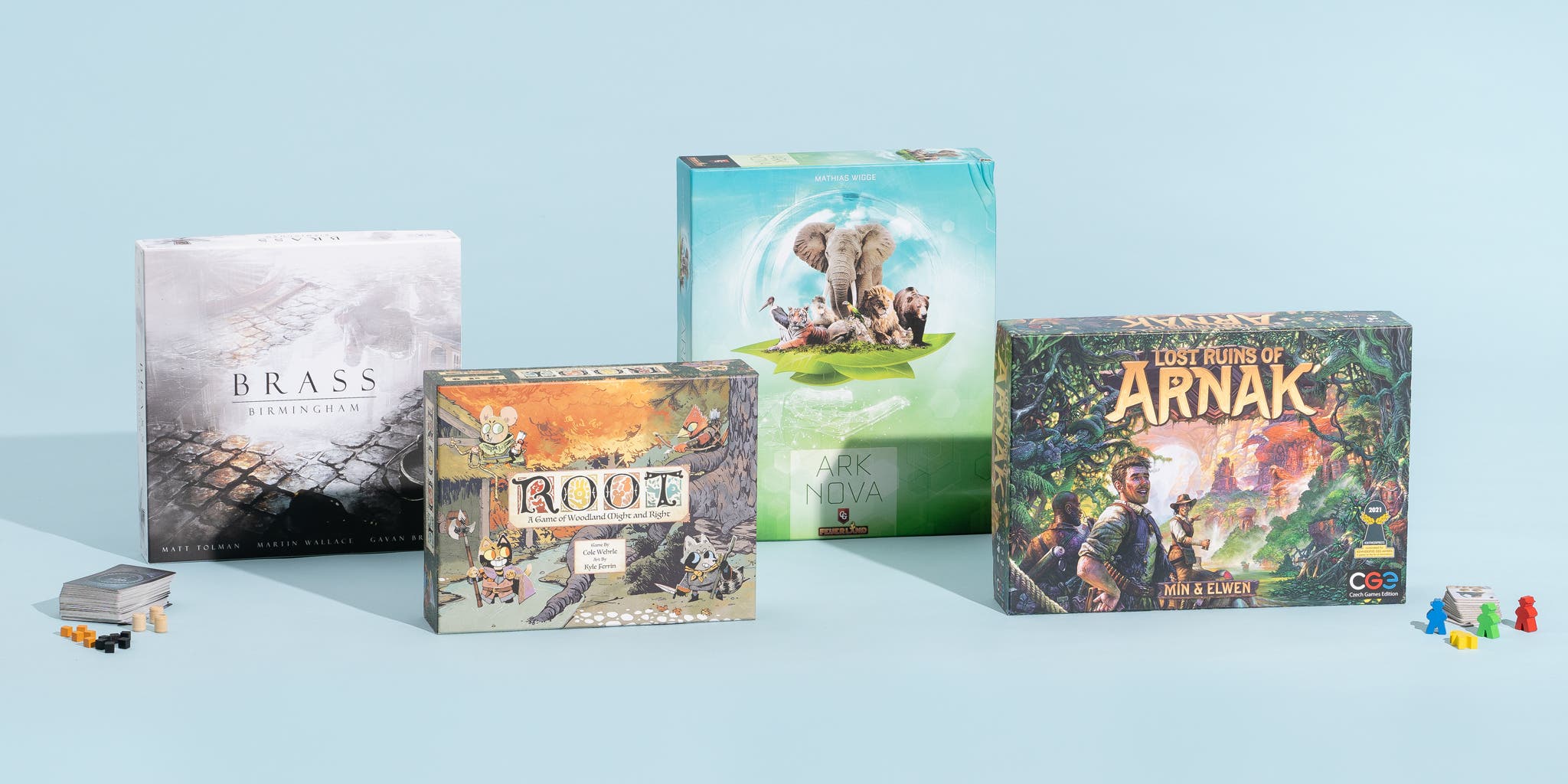
2. Brass: Birmingham: (2-4 players, 60-120 minutes) An economic strategy game set during the Industrial Revolution. Players develop industries, build canals and railroads, and compete for dominance. Brass: Birmingham demands careful planning and ruthless efficiency. You’ll like this if… you appreciate intricate economic systems and cutthroat competition.
3. Spirit Island: (1-4 players, 90-120 minutes) A cooperative game where players take on the roles of powerful spirits defending their island from colonial invaders. Spirit Island is unique for its asymmetrical powers and challenging gameplay. You’ll like this if… you enjoy cooperative challenges and a thought-provoking theme.
4. Gaia Project: (1-4 players, 60-150 minutes) A space-themed terraforming game where players develop planets and expand their galactic empires. Gaia Project features a unique race-asymmetric mechanic and a complex tech tree. You’ll like this if… you enjoy long-term planning and engine building.
5. Scythe: (1-5 players, 90-120 minutes) A beautiful and engaging game set in an alternate 1920s Eastern Europe. Players gather resources, recruit workers, and build structures to achieve victory. Scythe blends engine building with area control. You’ll like this if… you appreciate stunning artwork and a blend of mechanics.
6. Root: (2-4 players, 60-90 minutes) A highly asymmetrical wargame where players control different factions with unique abilities and objectives. Root is known for its dynamic gameplay and constant player interaction. You’ll like this if… you enjoy direct conflict and mastering unique playstyles.
7. Twilight Imperium (4th Edition): (3-6 players, 240-480 minutes) An epic space opera game of galactic conquest. Twilight Imperium is a sprawling experience that requires a full day to play. You’ll like this if… you’re looking for a truly immersive and long-lasting gaming experience.
8. Ark Nova: (1-4 players, 90-150 minutes) A zoo-building game where players attract visitors, conserve species, and support conservation projects. Ark Nova combines engine building with card drafting and strategic placement. You’ll like this if… you enjoy optimizing systems and a thematic setting.
9. Dune: Imperium: (1-4 players, 60-90 minutes) A deck-building and worker placement game set in the Dune universe. Players compete for control of Arrakis and its valuable spice. Dune: Imperium blends familiar mechanics with a compelling theme. You’ll like this if… you’re a fan of Dune and enjoy deck-building.
10. War of the Ring (2nd Edition): (2 players, 180-300 minutes) A strategic adaptation of The Lord of the Rings, pitting the Free Peoples against the Shadow armies. War of the Ring is a grand-scale conflict with a strong narrative element. You’ll like this if… you love The Lord of the Rings and epic battles.
11. Barrage: (2-4 players, 60-90 minutes) A worker placement and engine-building game centered around building dams and generating hydroelectric power. Barrage is known for its tight resource management and strategic depth. You’ll like this if… you enjoy optimizing production chains and outmaneuvering your opponents.
12. Obsession: (2-4 players, 60-90 minutes) A Victorian-era estate management game where players try to build the most prestigious family. Obsession combines worker placement, card drafting, and a unique social deduction element. You’ll like this if… you enjoy a thematic setting and strategic social interaction.
Asymmetrical gameplay and unique player powers
A major trend in recent strategy games is the embrace of asymmetry. Instead of all players starting with the same resources and abilities, each faction or character possesses unique strengths and weaknesses. Root is a perfect example: the Marquise de Cat controls a powerful industrial empire, while the Eyrie Dynasties operate under a rigid, card-driven system. Mastering one faction doesn’t guarantee success against another; you need to understand how each plays and adapt your strategy accordingly.
This asymmetry dramatically increases replayability. Each game feels different depending on the combination of factions in play. It also forces players to think more deeply about their choices. You can’t rely on established strategies; you need to exploit your faction’s strengths while mitigating its weaknesses. Spirit Island takes this even further, with each spirit having a completely distinct playstyle and set of powers.
However, asymmetry isn’t for everyone. The increased mental load can be overwhelming, especially for new players. Learning multiple factions requires significant time and effort. Some players prefer the simplicity of symmetrical games where everyone operates on a level playing field. There's a definite trade-off between depth and accessibility.
Strategy Game Comparison: Asymmetry and Complexity
| Game | Asymmetry Level | Complexity | Replayability | Learning Curve |
|---|---|---|---|---|
| Scythe | Low | High | Very High | Moderate |
| Dune: Imperium | Medium | High | High | Moderate to High |
| Root | High | Very High | Extremely High | High |
| Spirit Island | High | Very High | Extremely High | Very High |
| Brass: Birmingham | Medium | Very High | High | High |
| Gaia Project | Medium | High | Very High | High |
| Twilight Imperium (Fourth Edition) | Medium | Extremely High | Extremely High | Very High |
Illustrative comparison based on the article research brief. Verify current pricing, limits, and product details in the official docs before relying on it.
The rise of engine-building games
Engine-building—the process of creating a system that generates resources or points—has become a cornerstone of modern strategy game design. The core appeal lies in the satisfying feeling of watching your carefully constructed engine hum along, churning out victory points with increasing efficiency. Terraforming Mars is a classic example, where players develop technologies and infrastructure to make Mars habitable.
Ark Nova also leans heavily into engine-building, with players constructing enclosures, attracting animals, and funding conservation projects to create a thriving zoo. The challenge lies not only in building a powerful engine but also in adapting to your opponents’ actions. They might disrupt your supply chains, steal valuable resources, or simply outpace your progress.
A well-designed engine-building game offers a compelling sense of progression and agency. You’re not just reacting to events; you’re actively shaping the game world and building something lasting. It’s a design philosophy that rewards long-term planning and strategic thinking.
Solo strategy gaming is growing
The demand for complex strategy experiences isn’t limited to group play. Many players want a challenging mental workout without the need to coordinate schedules or find opponents. This has led to a surge in games designed specifically for solo play. Spirit Island once again shines here, offering a robust solo mode with adjustable difficulty levels.
Under Falling Skies is another excellent example, a dice-placement game where you defend a city from an alien invasion. The solo mode provides a consistently challenging experience, forcing you to make difficult decisions under pressure. The appeal is clear: a consistent challenge, the ability to learn at your own pace, and the satisfaction of overcoming a difficult opponent—even if that opponent is the game itself.
We’ve seen a significant increase in discussions about solo games on Game Fruits’ forums, indicating a growing interest in this segment of the market. Designers are recognizing this trend and creating more and more options for solo strategists.
- Find a quiet space
- Set a reasonable time limit
- Embrace the challenge
Where to find more strategy games
This is just a starting point. The world of strategy games for adults is vast and ever-expanding. For more recommendations and reviews, BoardGameGeek () is an invaluable resource. Their forums and database are packed with information and passionate players.
Don’t forget to check out the Game Fruits forums, where you can discuss games, share strategies, and find groups to play with. Subreddits like r/boardgames and r/tabletop are also great communities for connecting with other enthusiasts. Finally, support your local game store and consider attending board game conventions to discover new titles and meet fellow gamers.
The most important thing is to keep exploring and finding games that challenge and inspire you. There’s a strategy game out there for everyone, and the journey of discovery is half the fun.
No comments yet. Be the first to share your thoughts!