
Beyond Fun: Anxiety Relief Through Games
Do you ever feel completely overwhelmed? Like your mind is racing a mile a minute, bouncing between worries about work, family, and everything in between? It’s a common experience, and one that’s becoming increasingly prevalent. I’ve noticed more and more people looking for healthy ways to manage stress and anxiety, and it turns out, a surprising tool is gaining traction: strategy games.
It might seem counterintuitive to suggest a mentally demanding activity as a way to calm anxiety, but the idea is gaining momentum. There's a growing recognition of the potential for games to contribute to mental wellbeing, offering a unique form of escapism and a chance to practice coping mechanisms. We at Game Fruits are always looking for ways games can enhance life, and this is a particularly exciting area.
This isn’t about replacing therapy or medication – those are incredibly important resources. Instead, think of strategy games as another tool in your self-care toolkit. A way to momentarily quiet the noise and refocus your mind. They offer a structured environment where you can exercise problem-solving skills and experience a sense of accomplishment, all of which can be incredibly beneficial for managing anxiety.
Game Fruits is dedicated to finding the best games for all ages and interests, and we’re particularly interested in the therapeutic potential of games. We believe everyone deserves to find joy and benefit from the world of board games, and that includes finding games that can help support your mental health. Let’s explore how strategy games can actually help reduce anxiety.
The Neuroscience of Focus & Flow
So, how exactly do strategy games help with anxiety? It comes down to the neuroscience of focus and something called "flow state.’ Flow is that feeling of being completely absorbed in an activity, where time seems to melt away and you’re fully present in the moment. Think about a time you were really engrossed in a book, a project, or even a conversation – that"s flow.
When you’re in a state of flow, your brain isn’t dwelling on past regrets or future worries; it's focused on the task at hand. This is incredibly helpful for managing anxiety, as rumination – that endless cycle of anxious thoughts – is significantly reduced. Strategy games, by their very nature, demand focused attention. You’re constantly evaluating options, anticipating consequences, and making decisions, which pulls your attention away from anxious thoughts.
Research in neuroscience shows that engaging in focused activities like gaming can trigger the release of dopamine, a neurotransmitter associated with pleasure and reward. This dopamine release isn’t just about feeling good; it reinforces the behavior, making you more likely to seek out similar experiences in the future. It’s a positive feedback loop that can help train your brain to focus and regulate emotions.
A study published in Frontiers in Human Neuroscience (2018) found that even short periods of focused gameplay can lead to measurable changes in brain activity, specifically in areas associated with attention and emotional regulation. While more research is needed, the evidence suggests that strategy games can be a valuable tool for promoting mental wellbeing. They aren’t a cure-all, of course, but they offer a constructive way to occupy your mind and reduce anxiety.
Strategic Thinking, Reduced Overthinking
Anxiety often manifests as overthinking – a relentless stream of "what ifs" and worst-case scenarios. These thoughts are typically unfocused and jump from one concern to another. Strategy games directly counteract this pattern by requiring deliberate, step-by-step thinking. You can't just react; you need to plan, analyze, and anticipate the consequences of your actions.
Games like Terraforming Mars or Scythe force you to consider long-term goals and make calculated decisions based on limited resources. This process of planning and execution isn’t about "solving’ your anxiety within the game; it’s about building skills that translate to real life. You"re essentially practicing the art of controlled thinking.
Consider the mechanic of resource management, common in many strategy games. You have to carefully allocate your resources to achieve your objectives, prioritizing needs and making trade-offs. This mirrors real-life decision-making and can help you develop a more rational approach to problem-solving. It’s a mindful exercise in prioritizing and focusing your energy.
The structured nature of strategy games provides a safe space to practice these skills. There are clear rules and defined objectives, unlike the ambiguity and uncertainty that often fuel anxiety. It's a controlled environment where you can experiment with different strategies and learn from your mistakes without real-world consequences.
Games for Different Anxiety Styles
It’s important to recognize that anxiety isn’t a one-size-fits-all experience. Different people experience anxiety in different ways, and what works for one person might not work for another. That’s why it’s helpful to consider different types of strategy games and how they might address specific anxiety styles.
For those who experience social anxiety, cooperative games like Pandemic or Spirit Island can be incredibly beneficial. These games require teamwork and communication, but in a low-pressure environment where the focus is on a shared goal. They provide an opportunity to practice social interaction without the fear of judgment or rejection.
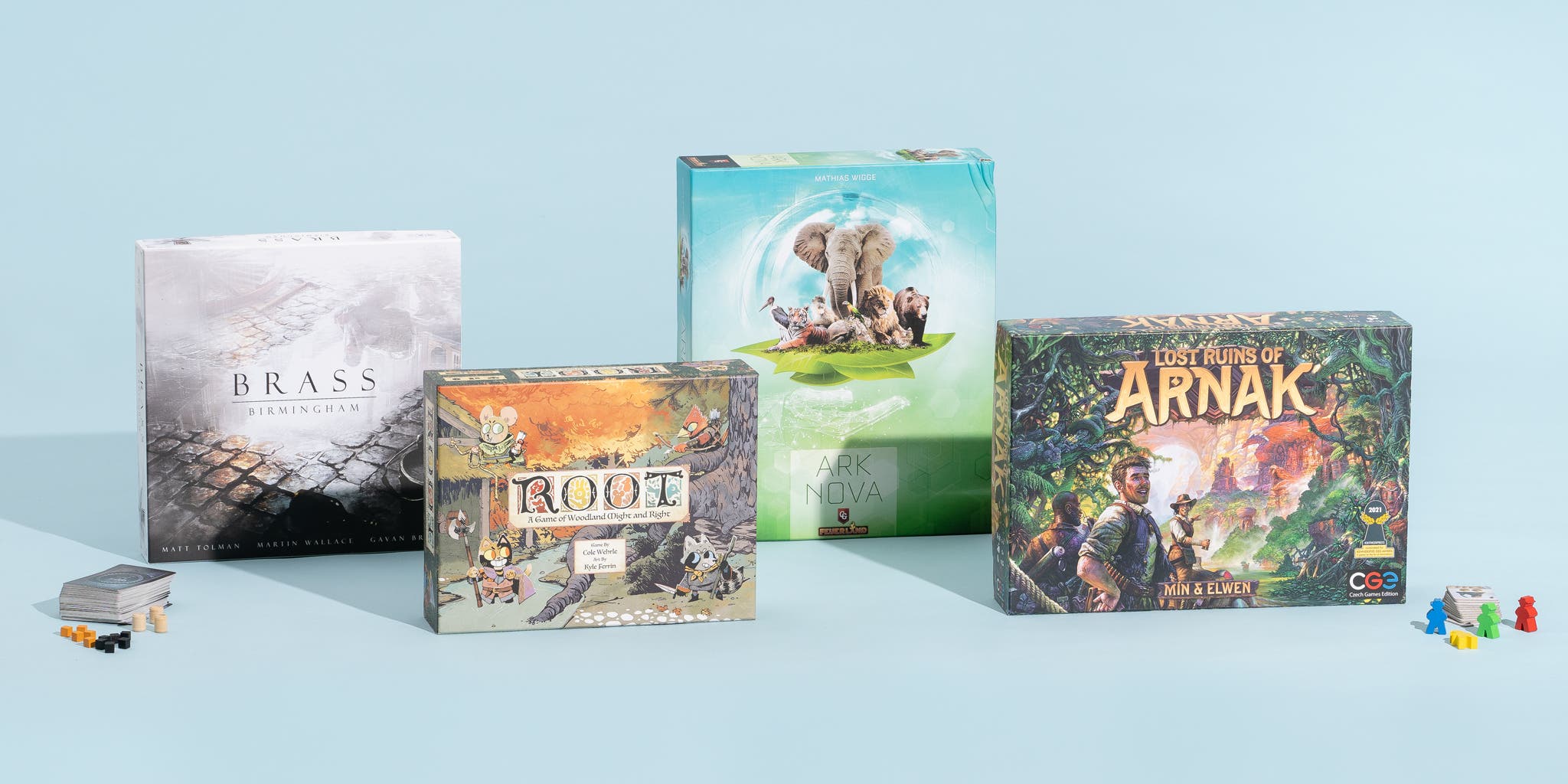
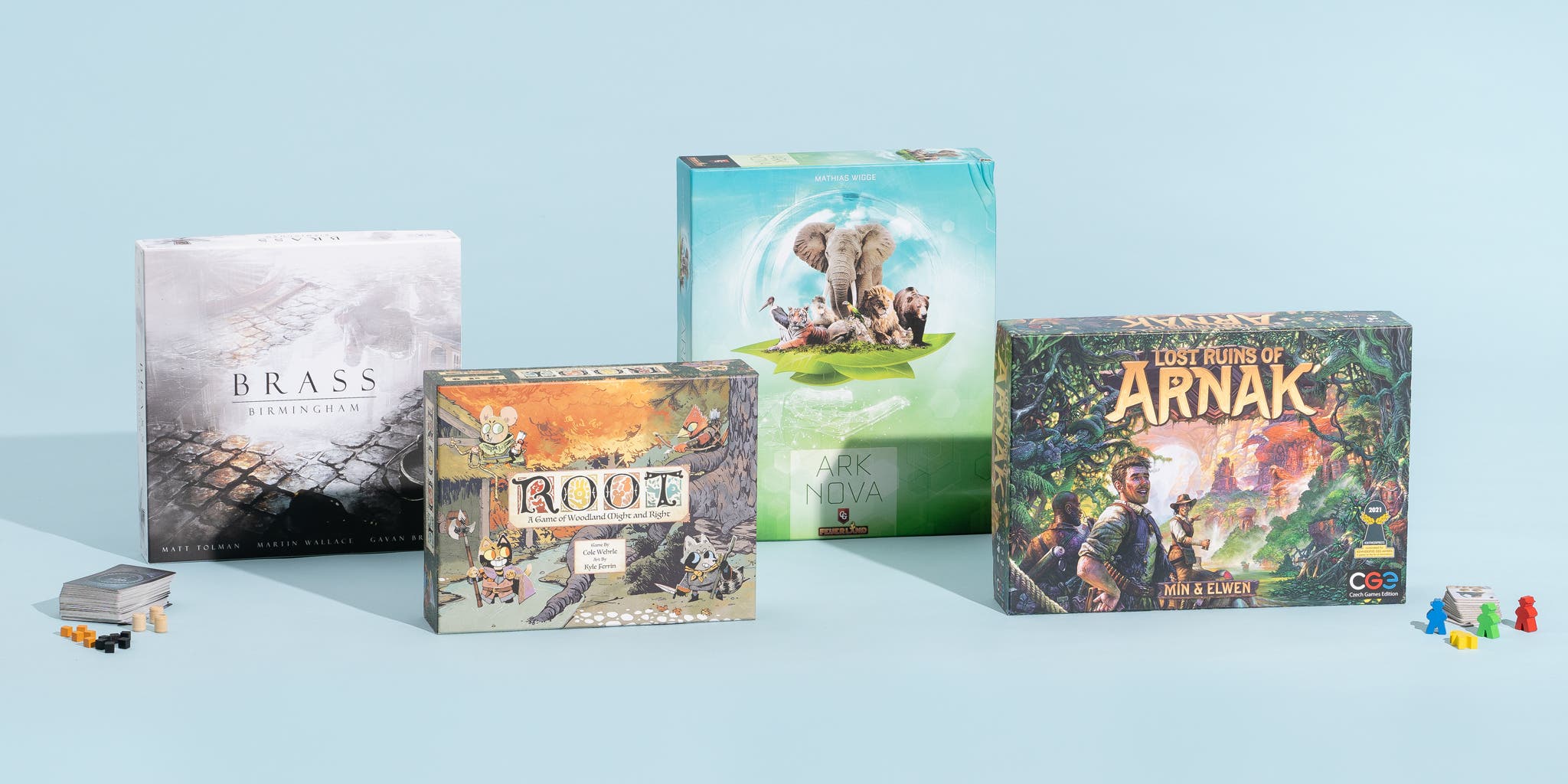
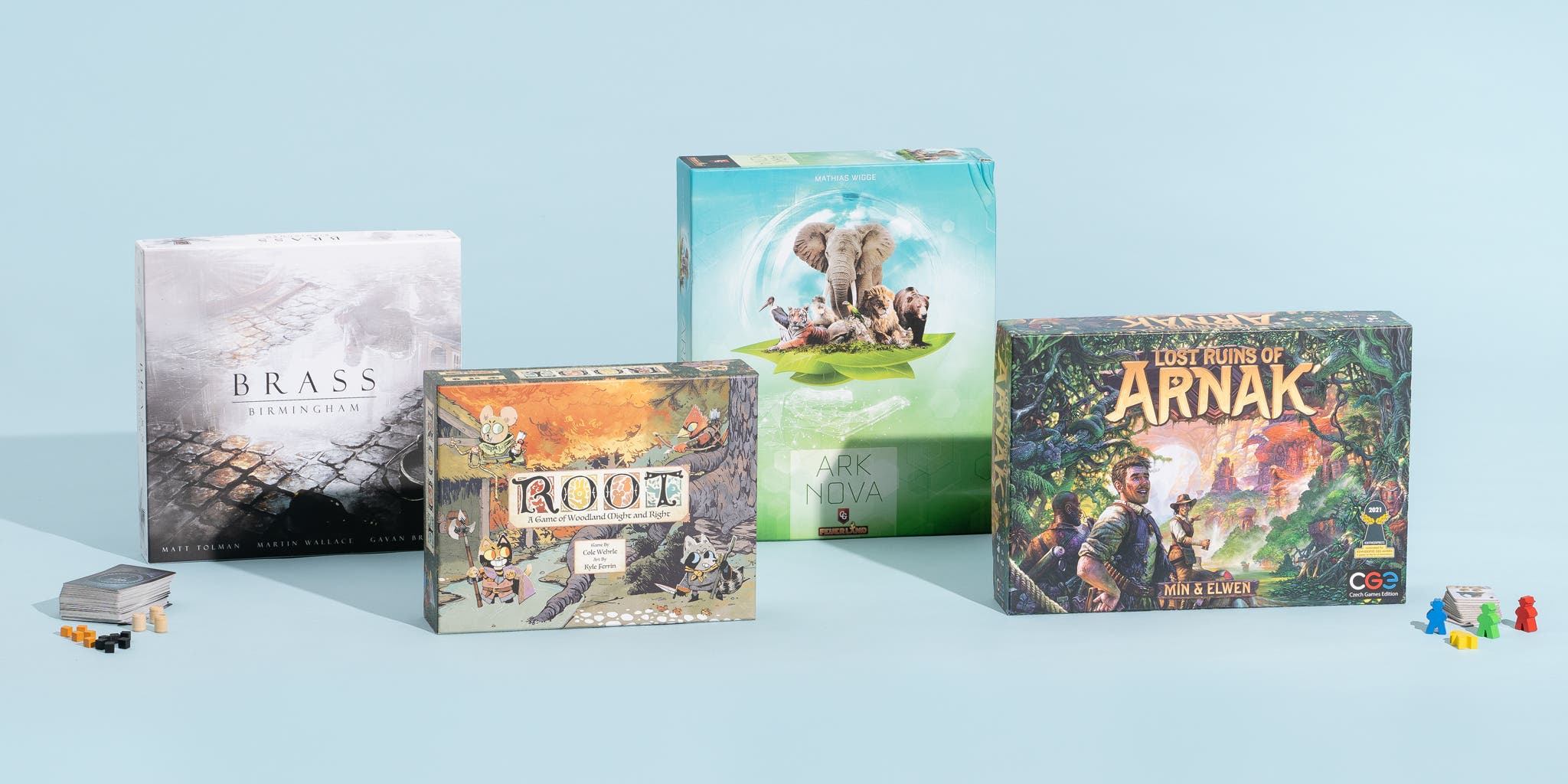
Individuals with generalized anxiety might benefit from complex strategy games like Twilight Imperium or Brass: Birmingham. These games demand a high level of focus and concentration, which can help to quiet racing thoughts. The sheer complexity of the game can be absorbing, providing a temporary escape from worries.
If you struggle with obsessive thoughts, puzzle-based strategy games like Azul or Sagrada could be a good fit. These games require careful planning and attention to detail, which can channel obsessive tendencies into a constructive activity. The visual appeal of these games can also be calming and grounding.
Here are a few specific recommendations from our Game Fruits catalog:
• For Social Anxiety: Pandemic – Cooperative, requires communication.
• For Generalized Anxiety: Scythe – Complex, demanding, strategic.
• For Obsessive Thoughts: Azul – Pattern-building, calming, visually appealing.
• For Control Issues: Friday – Solo deck-building, complete control over the game.
Strategy Games & Anxiety Reduction: A Decision Matrix
| Anxiety Type | Game Mechanic Focus | Game Examples |
|---|---|---|
| Generalized Anxiety | Cooperation | Pandemic (link to Game Fruits page) |
| Generalized Anxiety | Complexity | Terraforming Mars (link to Game Fruits page) |
| Social Anxiety | Cooperation | Gloomhaven: Jaws of the Lion (link to Game Fruits page) |
| Social Anxiety | Puzzle Solving | Azul (link to Game Fruits page) |
| Obsessive Anxiety | Puzzle Solving | Cascadia (link to Game Fruits page) |
| Obsessive Anxiety | Quick Decisions | Sushi Go! (link to Game Fruits page) |
| Panic Anxiety | Complexity | Twilight Imperium (link to Game Fruits page) |
| Panic Anxiety | Cooperation | Flash Point: Fire Rescue (link to Game Fruits page) |
Illustrative comparison based on the article research brief. Verify current pricing, limits, and product details in the official docs before relying on it.
Solo Games & The Power of Control
For many people with anxiety, the idea of playing with others can be a source of stress in itself. The pressure to perform, the fear of judgment, and the unpredictability of other players can all exacerbate anxious feelings. That’s where solo strategy games shine. They offer a sense of control and allow you to work at your own pace, without any social pressure.
Games like Friday are specifically designed for solo play, challenging you to overcome a series of obstacles using clever deck-building mechanics. Spirit Island (in solo mode) allows you to take on the role of a powerful spirit defending an island from colonizers, offering a satisfying sense of agency. Mage Knight is another excellent option, providing a sprawling campaign with endless possibilities.
The feeling of mastery you achieve in a solo game can be incredibly empowering. You’re solely responsible for your success or failure, and the satisfaction of overcoming a challenging scenario is entirely your own. This can boost self-esteem and provide a much-needed sense of accomplishment.
Solo games also eliminate the risk of conflict or disagreement with other players, creating a safe and relaxing environment for focused gameplay. You can take breaks when you need to, experiment with different strategies, and simply enjoy the process of problem-solving without any external pressure.
Family Game Night: Building Connection, Reducing Stress
While solo games offer a valuable escape, shared game experiences can also be incredibly beneficial for mental health. Family game night can be a dedicated time for connection, laughter, and distraction from daily worries. It’s a chance to put aside your phones, turn off the TV, and simply enjoy each other’s company.
Games that encourage communication and teamwork, such as Ticket to Ride or Carcassonne, can strengthen family bonds and foster a sense of belonging. These games require players to collaborate and support each other, which can be incredibly comforting for those struggling with anxiety.
It’s important to create a relaxed and supportive atmosphere during family game night. Avoid overly competitive games that might lead to frustration or conflict. Set ground rules to ensure everyone feels comfortable and included. Focus on having fun, not on winning or losing.
Consider establishing a "no criticism’ rule, where players are encouraged to offer constructive feedback but avoid making negative comments about each other"s gameplay. A little bit of empathy and understanding can go a long way in creating a positive and enjoyable experience for everyone.
- Establish a 'no criticism' rule.
- Focus on fun, not winning.
- Choose cooperative games.
- Create a relaxed atmosphere.
Benefits of Strategic Play
- Focused Attention - Strategy games require concentration, shifting focus away from anxious thoughts and promoting a state of ‘flow’.
- Problem-Solving Skills - Engaging with complex rules and challenges builds confidence in one’s ability to overcome obstacles, a skill transferable to daily life.
- Social Connection - Playing with others fosters interaction and a sense of belonging, combating feelings of isolation which can exacerbate anxiety. Remember to follow a 'Creating a Relaxing Game Night' checklist – put phones away and focus on fun!
- Reduced Rumination - The mental effort required by games like Terraforming Mars or Wingspan leaves less cognitive space for repetitive negative thoughts.
- Delayed Gratification - Many strategy games involve long-term planning and building towards a goal, teaching patience and the value of sustained effort.
- Controlled Environment - Unlike real-life stressors, board games offer a predictable and contained environment where outcomes are determined by skill and strategy, not external factors.
- Emotional Regulation - Dealing with setbacks and unexpected events within a game can provide practice in managing frustration and adapting to change, skills vital for emotional wellbeing. Games like 7 Wonders offer this in a relatively quick format.
Beyond the Board: Digital Strategy & Mental Wellbeing
The benefits of strategy games aren’t limited to physical board games. Digital strategy games – video games and mobile games – can offer similar mental health benefits. These games are often more accessible and convenient, allowing you to play anytime, anywhere.
Games like Civilization or XCOM provide the same level of strategic depth and mental engagement as their board game counterparts. Mobile games like MergeFruits (available on Google Play) can also offer a relaxing and absorbing experience, requiring you to plan and optimize your moves.
However, it’s important to be mindful of potential downsides. Excessive screen time can lead to eye strain, sleep disturbances, and even addiction. Moderation is key. Set time limits for yourself and take regular breaks to avoid overstimulation.
It's also worth noting that the social aspect of some digital games can be both positive and negative. Online multiplayer games can provide a sense of community, but they can also expose you to toxic behavior or cyberbullying. Choose your online interactions carefully and prioritize your mental wellbeing.
Finding the Right Game For You
undefined what resonates with you. Don’t be afraid to try something new and step outside of your comfort zone.
Read reviews and recommendations from other players. Websites like BoardGameGeek () offer a wealth of information about different games, including player ratings, reviews, and forums. Our team here at Game Fruits also provides detailed reviews and recommendations tailored to different interests and age groups.
Consider your individual preferences and anxiety levels. Are you looking for a solo experience or a collaborative one? Do you prefer complex strategic challenges or simpler, more relaxing gameplay? The answers to these questions will help you narrow down your options.
Remember, there’s no right or wrong answer. The goal is to find a game that helps you relax, focus, and feel a sense of accomplishment. Don’t be discouraged if the first game you try isn’t a perfect fit. Keep exploring, and you’ll eventually discover a strategy game that supports your mental wellbeing.
No comments yet. Be the first to share your thoughts!