

What actually makes a game sustainable?
Marketing buzzwords are everywhere in the hobby. A green leaf on a box is usually just a sticker, not a promise. I look for games that consider the whole lifecycle—how the wood is harvested and what happens to the box when it's eventually tossed out.
Assessing sustainability is surprisingly complex. It requires digging into things like the percentage of recycled content, the types of inks used, and even the energy efficiency of the manufacturing process. Companies are often hesitant to share detailed information about their supply chains, making it difficult for consumers to make informed choices. It's a challenge, but one worth addressing.
Key aspects of a truly sustainable board game include using recycled and responsibly sourced materials – like 100% recycled cardboard or wood certified by the Forest Stewardship Council (FSC). Reducing or eliminating plastic is a huge step, as is ensuring ethical manufacturing practices and minimizing transportation emissions. A focus on durability is also important; a game that lasts for years is inherently more sustainable than one that falls apart after a few plays.
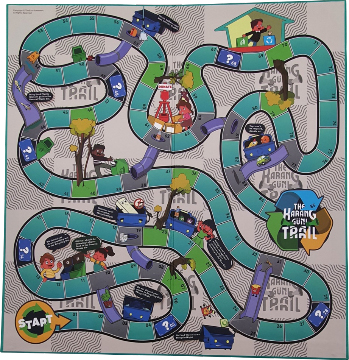
12 sustainable games to play in 2026
Finding board games that prioritize sustainability is becoming easier, thankfully. Here are twelve games that stand out in 2026, each with unique approaches to minimizing their environmental impact. I've tried to include a range of game types and complexities to suit different tastes.
Canopy (2025, 2-4 players) is a standout, consistently praised for being entirely plastic-free. It features beautiful wooden components and a focus on building a thriving forest ecosystem. The game is designed by Tim Eisner and available directly from Canopy’s website. It's a great option for families who want a visually appealing and genuinely eco-conscious game.
Leaf (coming late 2026, 2-4 players) is another plastic-free offering from the same creator as Canopy. While details are still emerging, the promise of another beautifully crafted, plastic-free experience is very exciting. It’s one to watch for those seeking a completely sustainable gaming option.
Hijacked (Kickstarter backed, 2-5 players) gained attention on Facebook for its commitment to eco-friendly production. This cooperative game about rescuing penguins from pirates uses recycled materials and sustainable packaging. Supporting crowdfunded projects like this allows consumers to directly influence production choices.
HABA My First Games (various, 2-4 players) are consistently recommended for their use of sustainable wood and non-toxic finishes. HABA is a German company with a long-standing commitment to environmental responsibility, and their games are known for their quality and durability. They're perfect for younger children.
Earthborne Games’ titles (various, 1-4 players) like Terraforming Mars have made strides in reducing plastic use. While not entirely plastic-free, they’ve actively sought alternatives and implemented more sustainable packaging. Stonemaier Games specifically recommends Earthborne as a leader in this space.
Photosynthesis (2017, 2-4 players) remains a popular choice due to its theme and use of wooden components. While the original production wasn't entirely focused on sustainability, newer editions have incorporated more eco-friendly materials. It’s a visually stunning game about growing a forest.
Wingspan (2019, 1-5 players) is a critically acclaimed engine-building game about attracting birds to your wildlife preserve. The game utilizes recycled cardboard and sustainable wood, and the publisher, Stonemaier Games, is actively exploring ways to further reduce its environmental impact.
Cascadia (2021, 1-4 players) is a tile-laying game about creating a diverse and harmonious ecosystem. It features beautifully illustrated components and uses recycled materials in its packaging. Cascadia is a relaxing and engaging game with a strong environmental theme.
Everdell (2018, 1-4 players) utilizes high-quality components, including wooden meeples and detailed illustrations. While it does contain some plastic components, the game’s durability and replayability make it a relatively sustainable choice. The publisher, Starling Games, is committed to responsible sourcing.
Parks (2019, 1-4 players) celebrates the beauty of national parks and uses recycled materials in its packaging. The game's artwork is inspired by the iconic WPA National Park posters, adding to its aesthetic appeal. It's a visually stunning and thematic game.
Carcassonne (2000, 2-5 players) is a classic tile-laying game that has been around for over two decades. While older editions may not have been produced with sustainability in mind, newer versions incorporate more recycled materials and eco-friendly packaging. It’s a reliable and engaging game for all ages.
Ticket to Ride (2004, 2-5 players) is another popular and widely available game. Similar to Carcassonne, newer editions are increasingly incorporating sustainable materials. It’s a great option for families who enjoy train-themed games.
Eco-Friendly Board Game Comparison - 2026
| Game Title | Material Sustainability | Packaging Sustainability | Company Ethics | Complexity | Player Count |
|---|---|---|---|---|---|
| Photosynthesis | High | Medium | Somewhat Transparent | Medium | 2-4 |
| Wingspan | Medium | Medium | Somewhat Transparent | Medium | 1-5 |
| Herbaceous | Medium | High | Transparent | Easy | 2-4 |
| Cascadia | Medium | High | Somewhat Transparent | Easy | 1-4 |
| Planet | High | Medium | Transparent | Medium | 2-4 |
| Parks | Medium | Medium | Somewhat Transparent | Medium | 1-5 |
| Everdell | Medium | Medium | Somewhat Transparent | Hard | 1-4 |
| Mycelia | High | High | Transparent | Medium | 2-4 |
Illustrative comparison based on the article research brief. Verify current pricing, limits, and product details in the official docs before relying on it.
Manufacturing and shipping
It’s not enough for a game to be made from sustainable materials; the way it’s made matters too. Ethical manufacturing practices, ensuring fair labor standards and safe working conditions, are essential. Companies that prioritize local production or work with factories that adhere to strict environmental regulations are making a positive impact.
Reducing carbon emissions during production and shipping is another important consideration. This can involve optimizing transportation routes, using fuel-efficient vehicles, or offsetting carbon emissions through environmental projects. Transparency in the supply chain is crucial, allowing consumers to verify that a company’s claims of sustainability are legitimate.
Supporting companies that prioritize these factors sends a clear message to the industry. While complete transparency can be difficult to achieve, looking for certifications like B Corp or Fair Trade can provide some assurance of a company’s commitment to social and environmental responsibility. Here’s a simple checklist to guide your choices:
- Check for FSC-certified wood or recycled cardboard on the back of the box.
- Prioritize games with minimal or plastic-free packaging.
- Research the company's manufacturing practices.
- Consider the game's durability and replayability.
- Support companies committed to ethical labor standards.
Recommendations by age and interest
Sustainable gaming doesn't mean sacrificing fun. There are plenty of eco-friendly games that appeal to a wide range of ages and interests. For young children, the HABA My First Games series offers simple, engaging games made from sustainable wood. These games are perfect for developing early learning skills while fostering a respect for the environment.
Families who enjoy strategic gameplay might appreciate Wingspan or Cascadia. These games offer challenging decisions and beautiful components, all while promoting environmental awareness. Cooperative games like Hijacked are great for encouraging teamwork and communication.
If you’re looking for a game with a strong environmental theme, Photosynthesis or Parks are excellent choices. These games immerse players in the beauty and complexity of the natural world. Ultimately, the best eco-friendly game is the one that your family enjoys playing the most.
Where the industry is headed
The sustainable gaming movement is still evolving, and several exciting trends are emerging. Biodegradable plastics are being developed as a potential alternative to traditional plastics, but their long-term environmental impact needs further investigation. The growth of local game manufacturing could reduce transportation emissions and support local economies.
Increasing demand for transparency in supply chains is pushing companies to be more accountable for their environmental and social impact. Technology may also play a role, with digital rulebooks and online companion apps reducing the need for paper manuals. We’re also seeing more games incorporating educational elements about environmental issues.
I don't know if we'll ever see a 100% plastic-free industry, but the shift is happening. If we keep buying games that ditch the plastic inserts, publishers will keep making them. It's as simple as voting with your wallet.
- What are bioplastics and are they truly sustainable? Bioplastics are made from renewable plant sources, but their biodegradability varies. Some require industrial composting facilities, while others may not break down at all.
- How can I find out more about a company's sustainability practices? Check their website for information about their materials, manufacturing processes, and certifications. Look for third-party certifications like B Corp or Fair Trade.
- Are older board games less sustainable? Generally, yes. Older games were often made with less sustainable materials and manufacturing practices. However, their durability can offset some of this impact.
No comments yet. Be the first to share your thoughts!