

Digital layers on physical boards
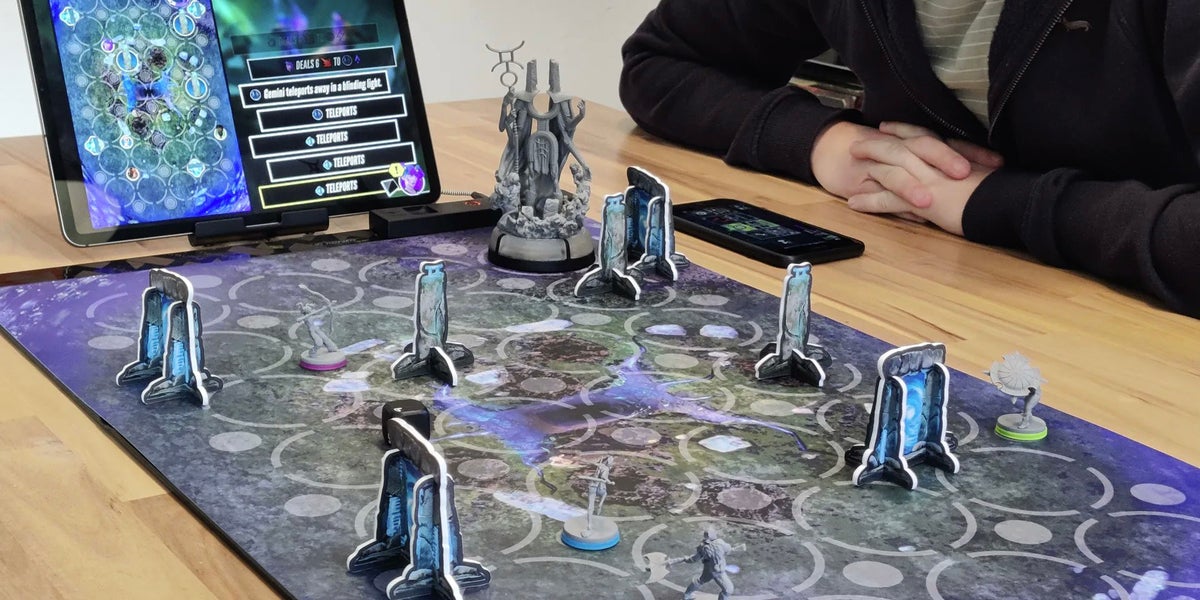
Board games are popular again, but the real shift is happening in how they use software. We aren't just talking about iPad ports of Monopoly. Hybrid games use apps to handle the math and storytelling while you move physical pieces on a table. It is a blend that keeps the social part of gaming while ditching the tedious parts.
The seeds of this trend were sown years ago with companion apps that primarily handled scorekeeping or provided simple rule lookups. Now, we're seeing much more sophisticated integrations. Games are using apps to manage complex game logic, unveil hidden storylines, or even generate dynamic content. It’s a fascinating shift. This isn’t about replacing the satisfying weight of game pieces or the social interaction around a table, but about enhancing those elements.
It's easy to forget how recent this is. Early attempts at digital integration felt clunky, often requiring players to constantly switch between a physical board and a separate device. But the technology has matured, and game designers are learning how to seamlessly weave digital components into the fabric of their games. We’re at a point where the best hybrid games feel truly unified, not like two separate experiences awkwardly combined.
The platforms making it happen
A few platforms dominate this space. Board Game Arena is the standard for browser-based play, using a subscription model for its library. Tabletopia is the alternative if you want a 3D environment where you actually drag and drop pieces with a mouse. Both are useful for testing a game before you buy the physical box.
Asmodee Digital is a major player, publishing digital versions of many of their popular board games, like Carcassonne and Ticket to Ride. They often offer both standalone apps and integrations with platforms like Steam. Many individual game publishers are also entering the space, developing companion apps specifically for their own titles. This allows them greater control over the digital experience and ensures a closer integration with the physical game.
Choosing the right platform depends on your needs. Board Game Arena is excellent for accessibility and a vast game selection. Tabletopia appeals to those who want a more visually immersive experience. Dedicated companion apps can offer the deepest level of integration, but they’re limited to the games they support. It’s a fragmented landscape, but competition is driving innovation and expanding options for players.
Best hybrid games for 2026
The hybrid board game market is evolving quickly, and 2026 promises a fantastic lineup. It’s difficult to make definitive predictions, but several games already stand out. Gloomhaven: Jaws of the Lion (Asmodee) remains a benchmark, using its app to manage scenarios, track player stats, and automate enemy actions. This significantly reduces the bookkeeping and allows players to focus on tactical combat.
Aeon’s End (Forgotten Key Games) is another standout. The app manages the nemesis’s turn and handles card shuffling, streamlining a complex cooperative experience. The digital integration feels essential, not tacked on. Detective: A Modern Crime Board Game (Portal Games) uses an app to present evidence, record interviews, and provide clues, creating a truly immersive investigative experience.
Looking ahead, Oathsworn: Into the Deepwood (Loreborn) is generating buzz for its ambitious blend of miniatures, storytelling, and app-driven encounters. The app manages combat, narrates events, and adapts to player choices. Sleeping Gods (Red Duke Games) also relies heavily on an app to guide exploration and present narrative choices. These games demonstrate a trend towards more complex and dynamic digital integrations.
For lighter fare, Fruit Passion: Work Your Melon (though released in 2021, it's a good example of a simple, effective hybrid) uses an app to add a memory element to a fruit-matching game. It’s a great option for families. Tainted Grail: The Fall of Avalon (Awaken Realms) leverages an app to manage the vast world, track player progress, and present branching narratives. Etherfields (Awaken Realms) is similarly ambitious, offering a surreal and dreamlike experience enhanced by atmospheric sound design and app-driven storytelling.
Mansions of Madness: Second Edition (Fantasy Flight Games) uses a digital app to create a dynamic and unpredictable horror experience, with evolving maps and hidden clues. Final Girl (Final Girl Games) utilizes an app to reveal the killer’s location and manage the game’s tension. Legacy of Dragonholt (Catalyst Game Labs) is a narrative adventure game where the app serves as the game master, guiding players through a branching storyline.
Beyond these, expect to see more games incorporating augmented reality features (discussed later) and AI-driven opponents. The trend is clear: digital integration is becoming increasingly sophisticated and integral to the tabletop gaming experience. It’s not just about convenience; it’s about unlocking new possibilities for gameplay and storytelling.
Featured Products
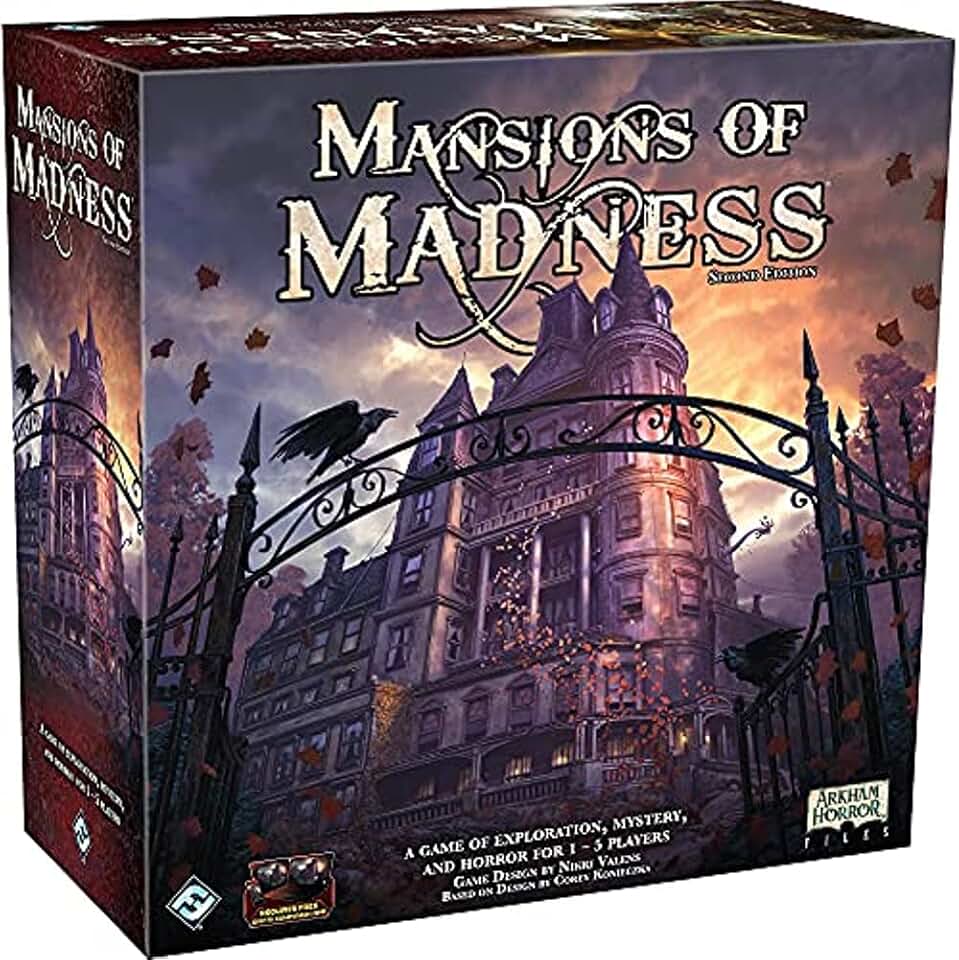
Cooperative Lovecraftian horror and mystery gameplay · App-driven narrative and event management · Immersive soundscapes and digital components
This game uses an app to manage the story, events, and monster AI, creating a dynamic and terrifying Lovecraftian experience.

App-assisted deduction and puzzle-solving · Interactive crime scene investigations · Real-time clue management
The accompanying app enhances the detective experience by providing interactive clues, case files, and a dynamic storyline.

Escape room challenges in a card game format · App-guided puzzles and timers · Cooperative problem-solving
This game leverages an app to deliver escape room puzzles, track time, and guide players through intricate scenarios.

Medieval fantasy zombie survival · App-controlled enemy behavior and scenarios · Cooperative strategy with miniatures
The app manages enemy actions and introduces new scenarios, adding a layer of unpredictability to the medieval zombie-slaying action.
As an Amazon Associate I earn from qualifying purchases. Prices may vary.
Augmented reality and immersion
Augmented reality is finally moving past the gimmick stage. Some games now use phone cameras to overlay 3D monsters or terrain directly onto your kitchen table. It is a great way to see a dragon breathe fire without needing a $500 miniature, though it still feels a bit clunky to hold a phone up for three hours.
Beyond visual effects, AR can also add new layers of gameplay. Games can use AR to reveal hidden clues, trigger sound effects, or even create interactive storytelling elements. Imagine pointing your phone at a game piece and having a character narrate its backstory! This creates a much more engaging and immersive experience. Chronicles of Dr. Mordrid is an early example, using AR to reveal hidden elements and enhance the game’s atmosphere.
However, AR isn’t without its limitations. Battery drain is a major concern, as AR apps can be resource-intensive. Device compatibility is another issue; not all smartphones and tablets support AR features. Furthermore, the quality of AR experiences can vary significantly. It's important to find games that utilize AR in a meaningful way, rather than simply adding it as a gimmick. Despite these challenges, the potential of AR to enhance board games is undeniable.
Where hybrid gaming goes next
The future of digital hybrid board games is likely to be shaped by several emerging technologies. Virtual reality (VR) could offer even more immersive experiences, allowing players to step into the game world. However, the cost and accessibility of VR headsets remain significant barriers. Artificial intelligence (AI) could be used to create more dynamic and challenging opponents, or to personalize the gaming experience.
We might also see more integration with voice assistants like Alexa or Google Assistant, allowing players to interact with the game using voice commands. The use of procedural generation could create unique game boards and scenarios each time you play. The community on BoardGameGeek is generally enthusiastic about the possibilities, but there's also a strong desire to preserve the tactile joy of traditional board games. Many players worry about over-reliance on technology.
One of the biggest challenges facing the industry is ensuring accessibility. Digital components can be expensive and require specific devices. It’s important to create hybrid games that are inclusive and don’t exclude players who don’t have access to the latest technology. Maintaining a balance between digital and physical gameplay is also crucial. The goal should be to enhance the tabletop experience, not to replace it. The most successful hybrid games will be those that find that sweet spot.
No comments yet. Be the first to share your thoughts!