

Gather 'Round: Why Family Game Night?
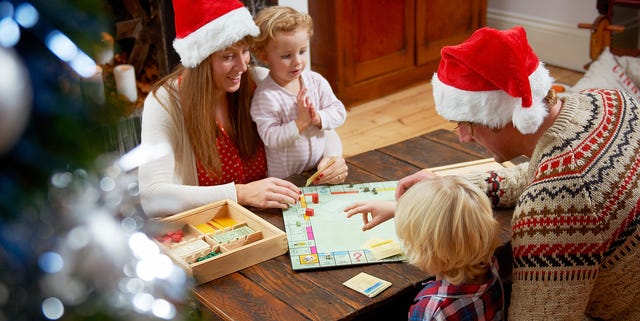
Finding truly shared family time feels harder than ever. Between school, work, screens, and endless activities, opportunities to connect slip away. Everyone’s busy, pulled in different directions. Family game night offers a simple way to reclaim those moments, create lasting memories, and genuinely enjoy each other’s company.
Board games offer a focused, screen-free alternative to constant digital stimulation. They demand our attention, encourage face-to-face interaction, and provide a shared experience. Beyond fun, games develop communication skills, problem-solving abilities, and teach teamwork and good sportsmanship.
Game night builds emotional connections through laughter, friendly competition, and creating a space where everyone feels valued. Investing in regular family game nights means investing in relationships. It’s a chance to slow down, disconnect, and reconnect with loved ones.
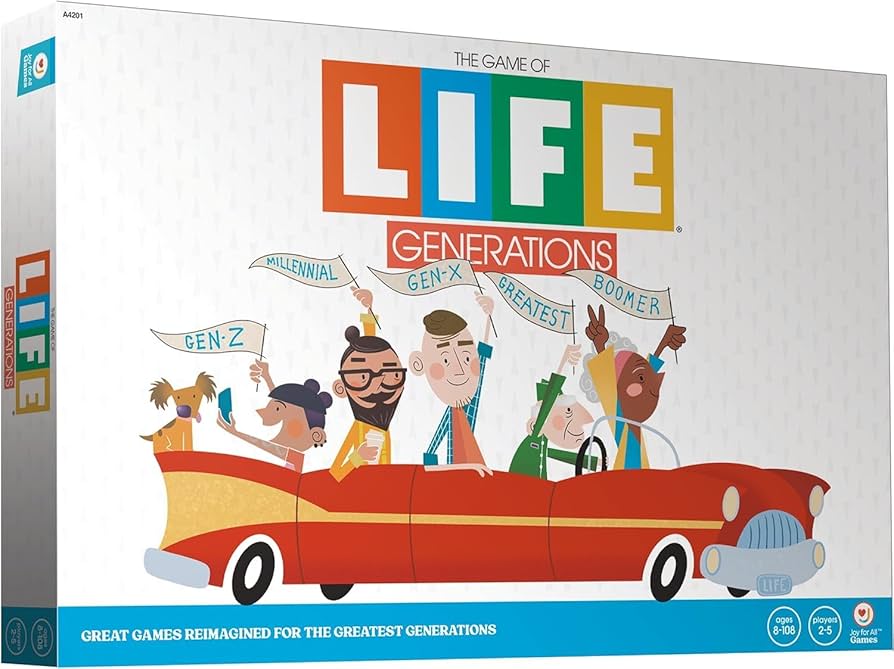
Little Ones: Games for Preschoolers (Ages 3-5)
Preschoolers are eager to learn, and board games support their development. Focus on games that build foundational skills like color recognition, counting, and simple matching. Short playtimes are essential; games that drag on lose their attention. 'Hoot Owl Hoot!' by Peaceable Kingdom is a cooperative game where players help owls return to their nest before sunrise, introducing teamwork and strategic thinking.
Another option is 'Count Your Chickens!' from Peaceable Kingdom. Players roll a die and collect chickens, practicing counting and number recognition. Cooperative play benefits this age group. Competition can frustrate young children, so cooperative games encourage working together towards a common goal, fostering camaraderie and shared success.
When choosing games for preschoolers, look for simple rules, engaging themes, and durable components. Avoid complex scoring systems or small pieces that pose choking hazards. The goal is to make learning fun and create positive associations with tabletop gaming. A good game for this age is visually appealing and easy to understand.
Elementary Adventures: Games for Ages 6-10
As children enter elementary school, their cognitive abilities develop rapidly, and they’re ready for more challenging games. They start to grasp more complex rules and strategic thinking. 'Ticket to Ride: First Journey' is a good entry point into route-building games, simplifying the original 'Ticket to Ride' while offering a satisfying strategic experience.
"Outfoxed!’ is a cooperative mystery game that encourages deductive reasoning and problem-solving as players identify the fox who stole Mrs. Plumpert"s pot pie. 'Kingdomino' is another good choice, a tile-laying game where players build kingdoms by connecting domino-like tiles. It’s easy to learn but offers surprising depth and replayability.
Many games for this age group scale in difficulty. Adjust rules or add challenges to keep things engaging as kids grow. Look for games that introduce basic geography or history in a fun way. Some games involve identifying countries or landmarks, subtly expanding knowledge while playing. Here are some favorites:
lists
- Ticket to Ride: First Journey – Excellent introduction to route-building.
- Outfoxed! – Cooperative mystery that promotes deductive reasoning.
- Kingdomino – Simple tile-laying with surprising strategy.
- Sushi Go! – Fast-paced card drafting game with adorable artwork.
Family Game Recommendations
- Ticket to Ride - A cross-country train adventure where players collect and play matching train car cards to claim railway routes. It’s accessible for younger players while still offering strategic depth for adults. Playtime: 30-60 minutes.
- Carcassonne - Players draw and place tiles to build a medieval landscape. Simple rules make it easy to learn, but strategic tile placement is key to maximizing points. Playtime: 30-45 minutes.
- Kingdomino - A quick and engaging tile-laying game where players build their own kingdoms. It’s easy to learn and offers surprising strategic choices. Playtime: 15-20 minutes.
- Outfoxed! - A cooperative deduction game where players work together to solve a mystery. Encourages teamwork and problem-solving skills. Playtime: 20-30 minutes.
- Sushi Go! - A fast-paced card drafting game where players collect sets of sushi. It's quick to learn, visually appealing, and encourages strategic thinking. Playtime: 15-20 minutes.
- Pandemic - A cooperative game where players work together to stop the spread of diseases. It’s a more complex game, suitable for older children and adults who enjoy a challenging experience. Playtime: 45-60 minutes.
- Concept - A party game where players communicate using universal icons. Great for all ages and encourages creative thinking and non-verbal communication. Playtime: 30-45 minutes.
Tweens & Teens: Stepping Up the Challenge
Getting tweens and teens excited about 'family game night' can be a challenge. They often crave more sophisticated games that feel less childish. 'Carcassonne' is a tile-laying game where players build a medieval landscape, claiming features like roads, cities, and monasteries. It’s strategic, visually appealing, and offers a lot of replayability. "7 Wonders Duel" is a two-player card drafting game perfect for a parent-child challenge.
"Splendor’ is another good option, a fast-paced engine-building game where players collect gem tokens to purchase development cards. It"s relatively easy to learn but offers good strategic depth. Teens might resist games that feel too juvenile. Finding options that appeal to their developing interests and sense of independence is key.
Party games can also get teens involved. Games like 'Codenames' or 'Telestrations' encourage creativity, communication, and laughter. Let them choose the game sometimes, even if it's not your personal favorite. The goal is to spend time together and create positive memories. If they're hesitant, start with a shorter, more accessible game to build their confidence.
Generational Fun: Games Everyone Can Enjoy
Games that bridge the age gap, bringing together grandparents, parents, and children for a shared experience, are magical. 'Codenames' is a word association game that’s easy to learn but surprisingly challenging. Two teams compete to identify their secret agents based on one-word clues from their spymasters.
'Dixit' is a beautifully illustrated storytelling game where players use evocative images to inspire creative interpretations. It’s a game that encourages imagination and communication, and it’s always a hit with all ages. "Telestrations’ is like a visual version of the telephone game – hilarious misinterpretations are guaranteed. ‘Wavelength’ is a party game that requires players to read each other"s minds, trying to guess where a concept falls on a spectrum.
These games rely on communication, creativity, and luck. Adapt the rules slightly to make them more accessible for younger players or more challenging for older ones. For example, give younger players more hints in 'Codenames' or add a time limit to 'Dixit'. Focus on the joy of shared laughter and creating memories. This table summarizes key considerations:
lists
- Accessibility: Ensure rules are easily understood by all ages.
- Scalability: Choose games that can accommodate different player counts.
- Engagement: Select games with themes and mechanics that appeal to a wide range of interests.
- Flexibility: Be willing to adapt the rules to suit the players' needs.
Generational Fun: A Comparison of Family Board Games
| Game Title | Complexity | Player Count | Approximate Playtime | Vibe |
|---|---|---|---|---|
| Ticket to Ride | Medium | 2-5 | 30-60 minutes | Competitive |
| Carcassonne | Medium | 2-5 | 30-45 minutes | Competitive |
| Kingdomino | Easy | 2-4 | 15-20 minutes | Competitive |
| Forbidden Island | Medium | 2-4 | 30 minutes | Cooperative |
| Dixit | Easy | 3-8 | 30 minutes | Creative |
| Fruit Frenzy (Family Game) | Easy | 2+ | Variable - depends on play style | Party |
| Concept | Medium | 4-12 | 40-60 minutes | Creative |
Illustrative comparison based on the article research brief. Verify current pricing, limits, and product details in the official docs before relying on it.
Fruit-Themed Fun: A Sweet Selection
What’s a family game night without fruity fun? 'Fruit Frenzy Family Game' delivers on that front. Players roll fruits on a counter to win prizes – a simple, silly, and engaging game for all ages. It adds a playful touch to your game night.
While board games with a dedicated fruit theme are rare, you can find games that incorporate fruit mechanics or artwork. The Google Play app 'Fruits Legend' offers a digital fruit-matching experience, but our focus is on tabletop games. Look for games with colorful artwork or themes that evoke freshness.
Even if a game doesn’t explicitly feature fruit, incorporate a fruity snack into your game night! A colorful fruit platter is a healthy and delicious addition that complements the playful theme. Creativity can enhance the overall experience.
Beyond the Box: Adding Flair to Game Night
Game night is about creating an atmosphere of fun and connection. Themed snacks enhance the experience. For a
Establishing a regular game night schedule can help make it a consistent part of your family routine. It doesn't have to be every week, but having a designated night makes it more likely to happen. To make game night more inclusive, consider family members with different abilities or interests. Adapt the rules as needed, and be mindful of any sensory sensitivities.
There are also resources available for creating your own game components or modifying existing games. Websites like scribd.com offer instructions for customizing game sets. Remember, the goal is to create an experience that everyone can enjoy. A little effort can go a long way in making game night a cherished family tradition.
Berry Good Times: Games Inspired by Nature
Drawing inspiration from Driscoll’s "Berry Together Games" (driscolls.com), we can explore games that celebrate nature and the outdoors. Games with animal themes, like 'Wingspan' (a more complex strategy game for older players) or simpler options like 'Animal Upon Animal', can spark curiosity about the natural world.
Farming simulations, such as 'Photosynthesis' or 'Harvest', offer a fun way to learn about plant life and ecosystems. Even a simple game of 'I Spy' in the backyard can be a nature-inspired activity. Connecting game night to real-world experiences can make it even more meaningful.
The core idea is to foster a sense of appreciation for the environment and encourage families to spend time outdoors together. A hike in the woods followed by a nature-themed board game is a perfect combination for a wholesome and enriching family experience. It reinforces the idea that playing together, like growing berries, strengthens bonds.
No comments yet. Be the first to share your thoughts!