
Why strategy games teach better
Most families think of board games as a way to pass the time, but strategy games do something more lasting. They force players to think ahead, weigh risks, and adapt when plans fall apart. Unlike games of pure luck, these titles turn the table into a classroom where critical thinking happens naturally.
When you play a game like Splendor or 7 Wonders, you aren’t just moving pieces. You are managing limited resources, calculating probabilities, and negotiating with other players. This mirrors real-world decision-making. You learn that taking a big risk might pay off, or it might leave you stuck with nothing. That lesson sticks far longer than any lecture.
Note: Modern strategy board games often require resource management, probability calculation, and long-term planning, making them effective tools for cognitive development.
These skills transfer directly to school and daily life. Math becomes tangible when you are counting coins or estimating victory points. Social negotiation becomes practical when you must trade cards to win. By the time the game ends, players have practiced patience, logic, and empathy without even realizing they were learning.
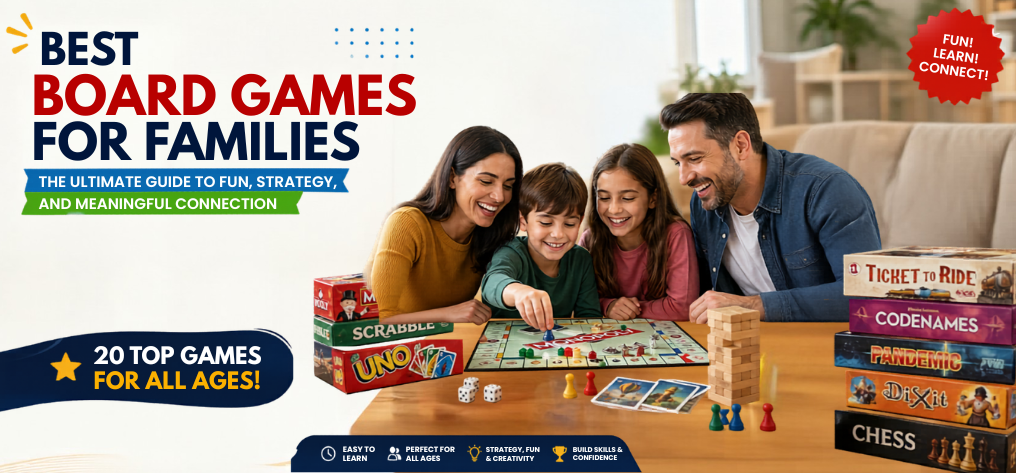
10 Strategy and Educational Board Games for Family Game Night
These ten strategy and educational board games blend competitive gameplay with tangible learning outcomes, ensuring family game night is both engaging and intellectually stimulating. Each recommendation highlights specific cognitive skills, from spatial reasoning to resource management, offering concrete entertainment value without relying on abstract categories.
-

Catan trading and negotiation skills
Catan transforms resource management into a lively social exercise. Players trade wood, brick, and wheat to build settlements, requiring constant negotiation and compromise. This dynamic interaction teaches children how to articulate value, read social cues, and reach mutually beneficial agreements. The game’s open trading phase makes it an excellent tool for developing persuasive communication and collaborative problem-solving in a low-stakes environment. -

Ticket to Ride geography and planning
Ticket to Ride subtly introduces continental geography through route-building. Players collect train cards to claim railway routes connecting major cities, requiring spatial awareness and long-term strategic planning. By visualizing connections across maps, children learn city locations and relative distances without formal study. The game balances immediate tactical moves with broader network goals, fostering foresight and an intuitive understanding of geographic layout. -
Splendor gem math and strategy
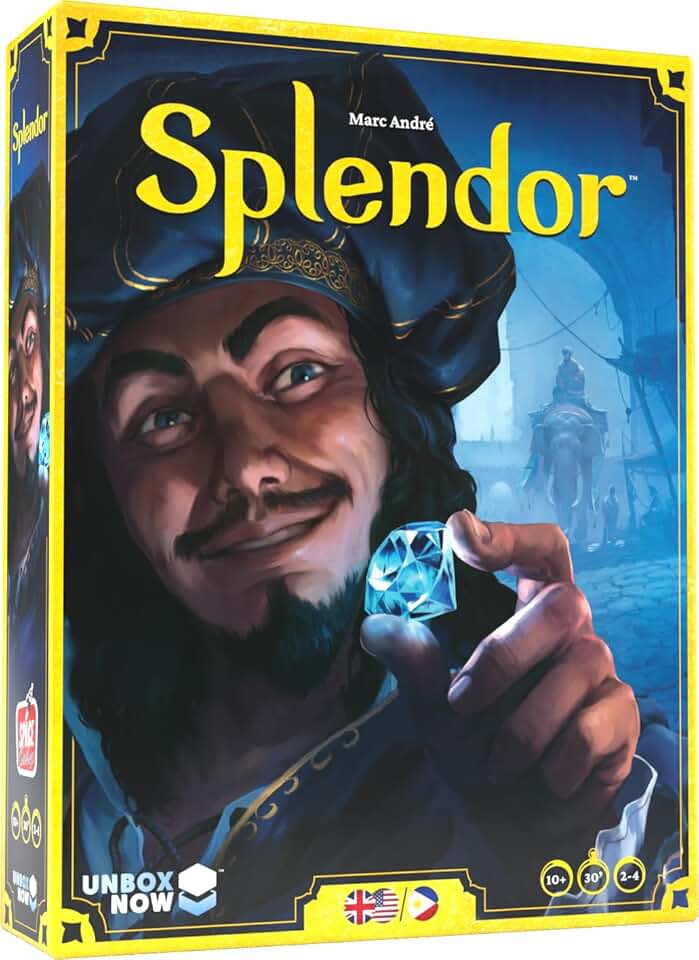
Splendor challenges players with efficient resource conversion and point optimization. Using gem tokens to purchase development cards, children practice mental arithmetic and cost-benefit analysis. The game requires calculating the best timing for purchases to secure discounts, turning basic math into a strategic advantage. This mechanical loop reinforces numerical fluency and logical sequencing, helping players understand how immediate investments yield long-term rewards. -
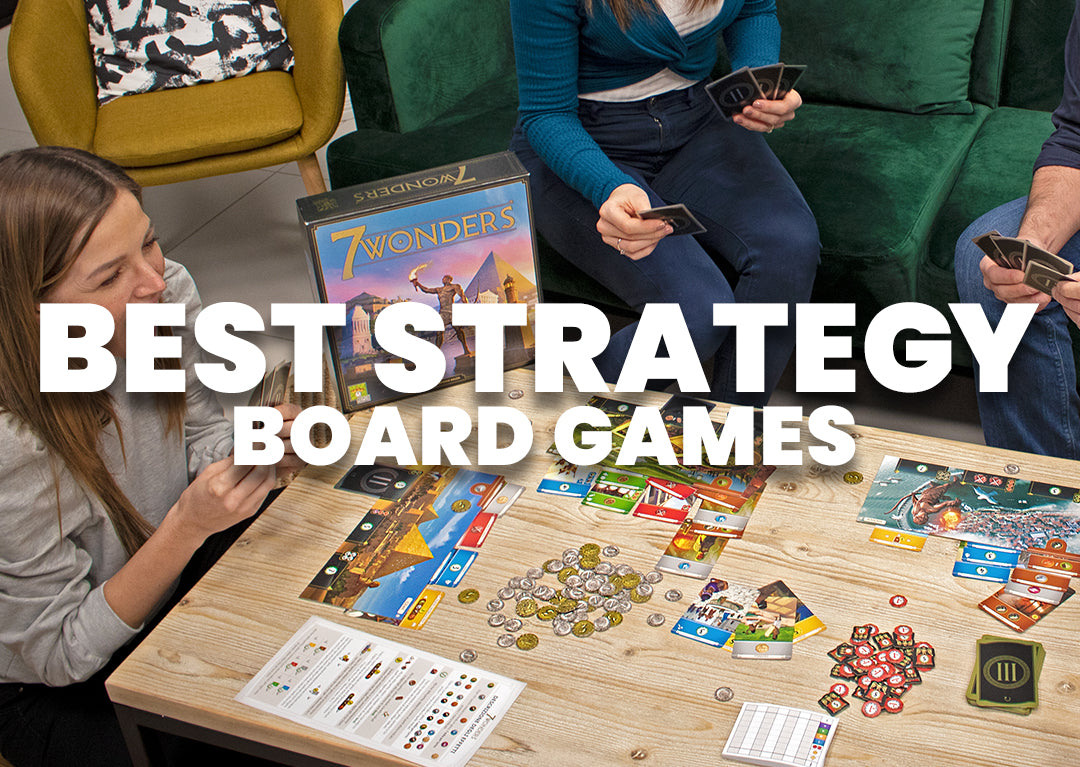
Wonders civilization building mechanics
Wonders offers a streamlined approach to civilization development through card drafting. Players build ancient structures while managing resource costs and scientific advancements. This mechanic teaches efficient resource allocation and adaptive strategy, as players must react to opponents’ choices. The parallel play structure keeps everyone engaged, allowing children to observe diverse development paths and understand how different historical priorities shape a civilization’s success. -
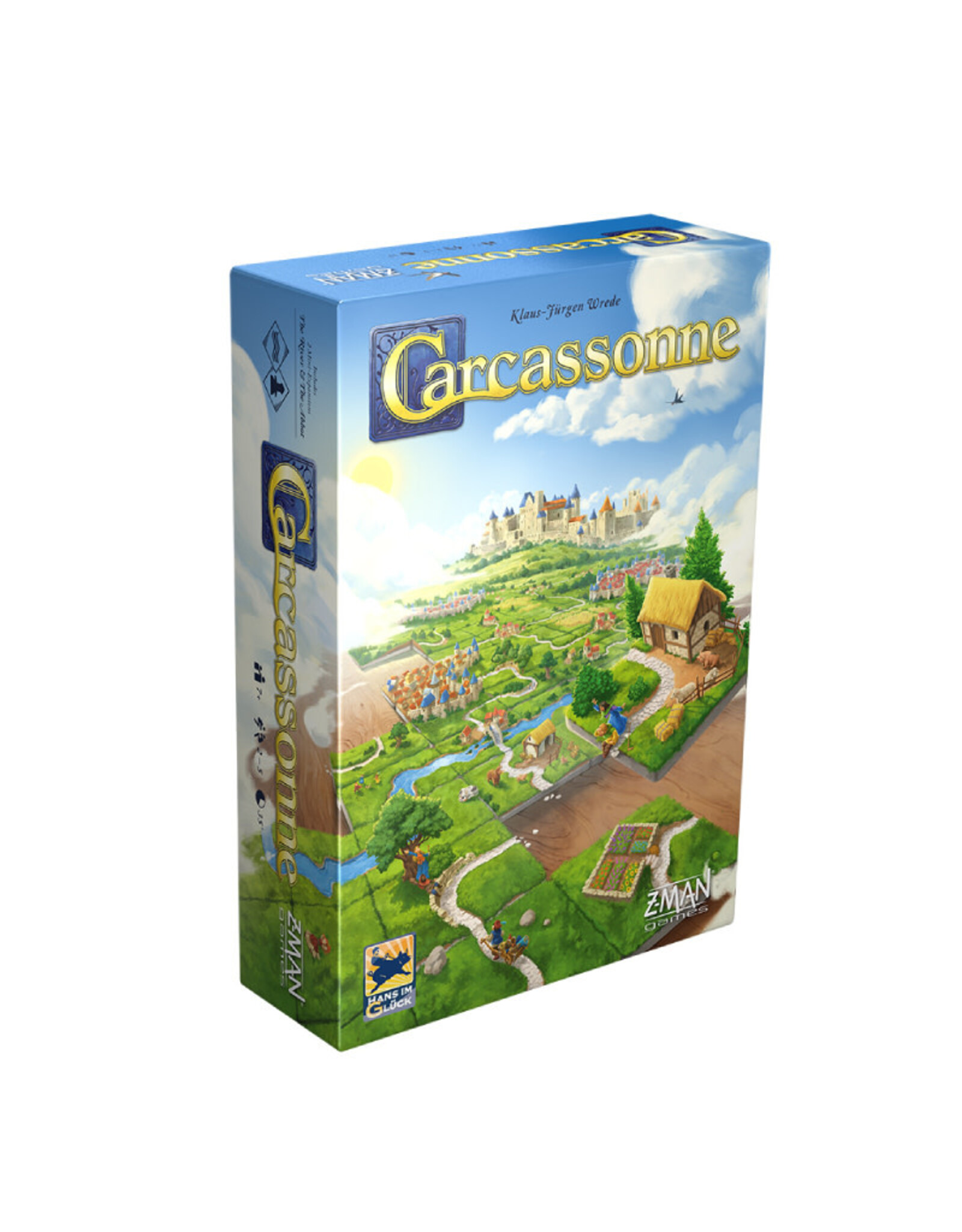
Carcassonne tile placement logic
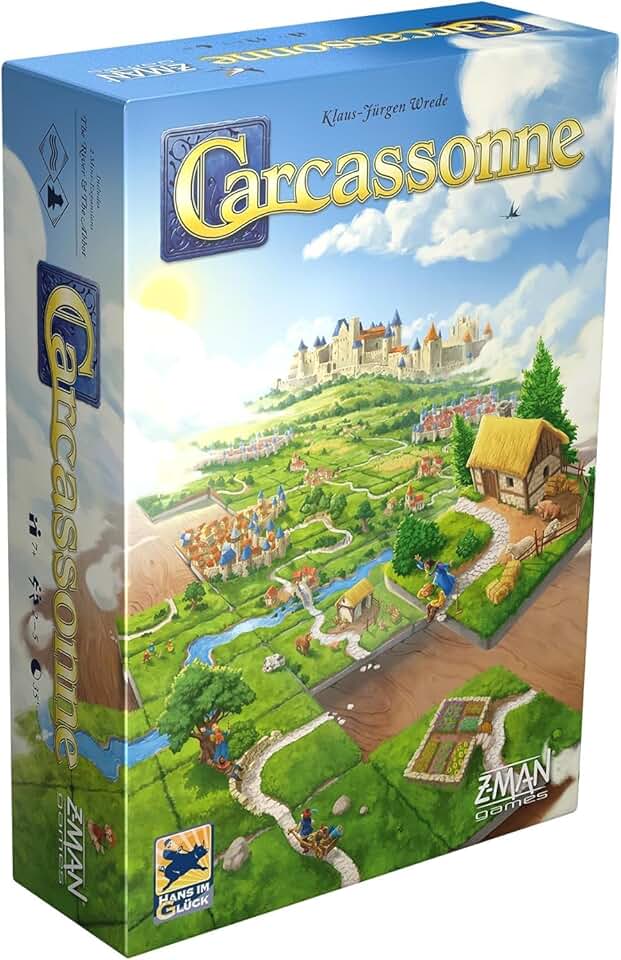
Carcassonne relies on precise tile placement to create matching roads, cities, and monasteries. Players must analyze adjacent edges and predict how new tiles connect to existing structures. This spatial reasoning task enhances visual perception and logical deduction. By carefully considering each move’s impact on the growing map, children develop patience and strategic foresight, learning that small, precise decisions accumulate into significant territorial control over time. -
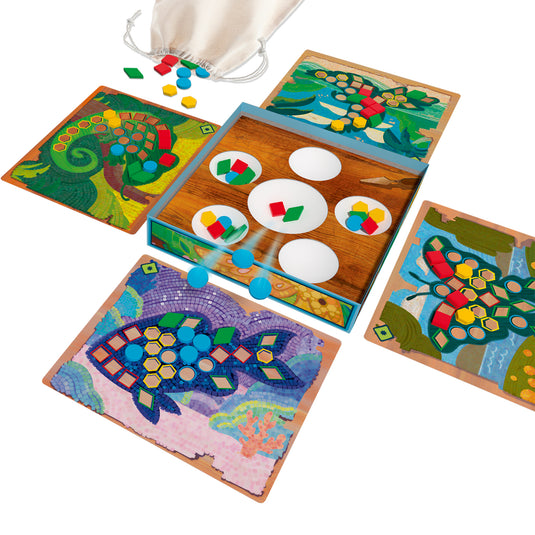
Azul pattern recognition and drafting
Azul transforms abstract pattern recognition into tactile strategy. Players draft colored tiles to complete mosaic patterns on their boards, requiring careful anticipation of opponents’ moves. This drafting mechanic teaches resource management and forward planning, as each tile placed limits future options. The visual symmetry rewards spatial reasoning, making it an excellent exercise in logical deduction and aesthetic planning for families seeking cognitive challenges without complex rulebooks. -
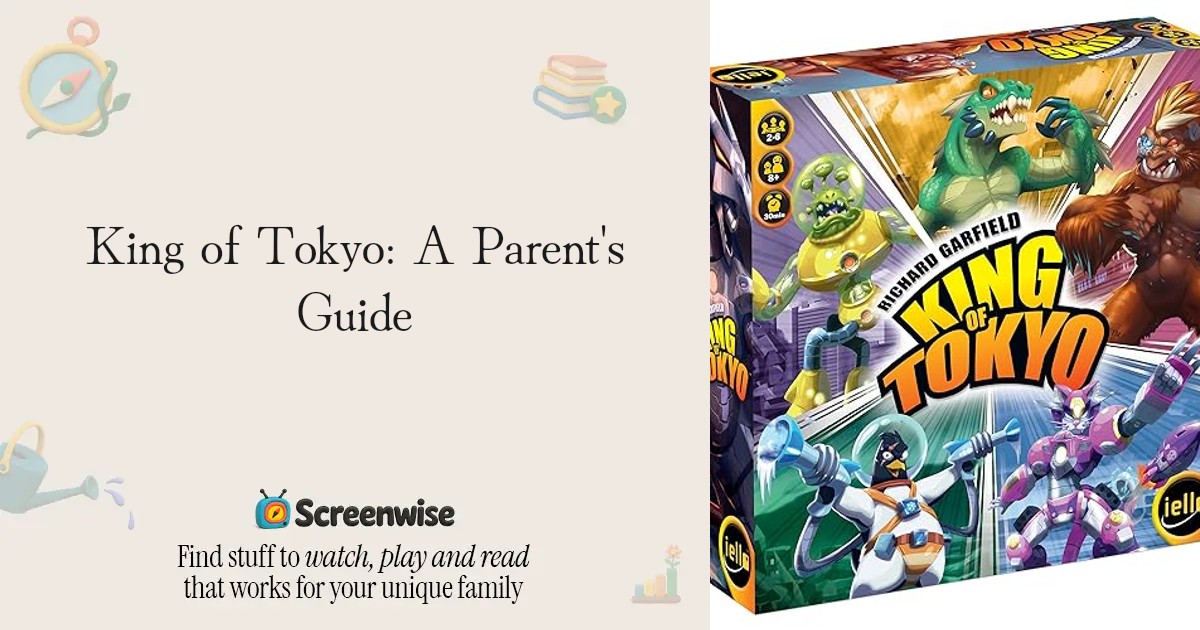
King of Tokyo probability and risk
King of Tokyo simulates monster battles using dice mechanics to teach probability and risk assessment. Players roll dice to gain health, points, or energy, deciding when to attack rivals or retreat to heal. This constant calculation of odds versus potential rewards helps children understand statistical likelihoods in a fun, competitive environment. The game encourages strategic decision-making under uncertainty, balancing aggressive plays with defensive caution. -
Dixit creative thinking and empathy
Dixit fosters creative thinking and empathy through surreal, dreamlike illustrations. Players craft clues for their cards, requiring them to understand how others interpret abstract imagery. This process enhances perspective-taking, as players must balance clarity with ambiguity to ensure teammates guess correctly. The game encourages imaginative expression and active listening, making it a unique tool for developing social cognition and artistic interpretation skills during family gatherings. -

Codenames word association and teamwork
Codenames sharpens word association and collaborative teamwork. Spymasters provide one-word clues to help their teams identify specific words on a grid while avoiding assassins. This mechanic requires nuanced understanding of language, semantics, and group dynamics. Players must think laterally and communicate effectively, fostering strong verbal reasoning skills. The competitive yet cooperative nature ensures that families practice joint problem-solving and strategic information sharing. -
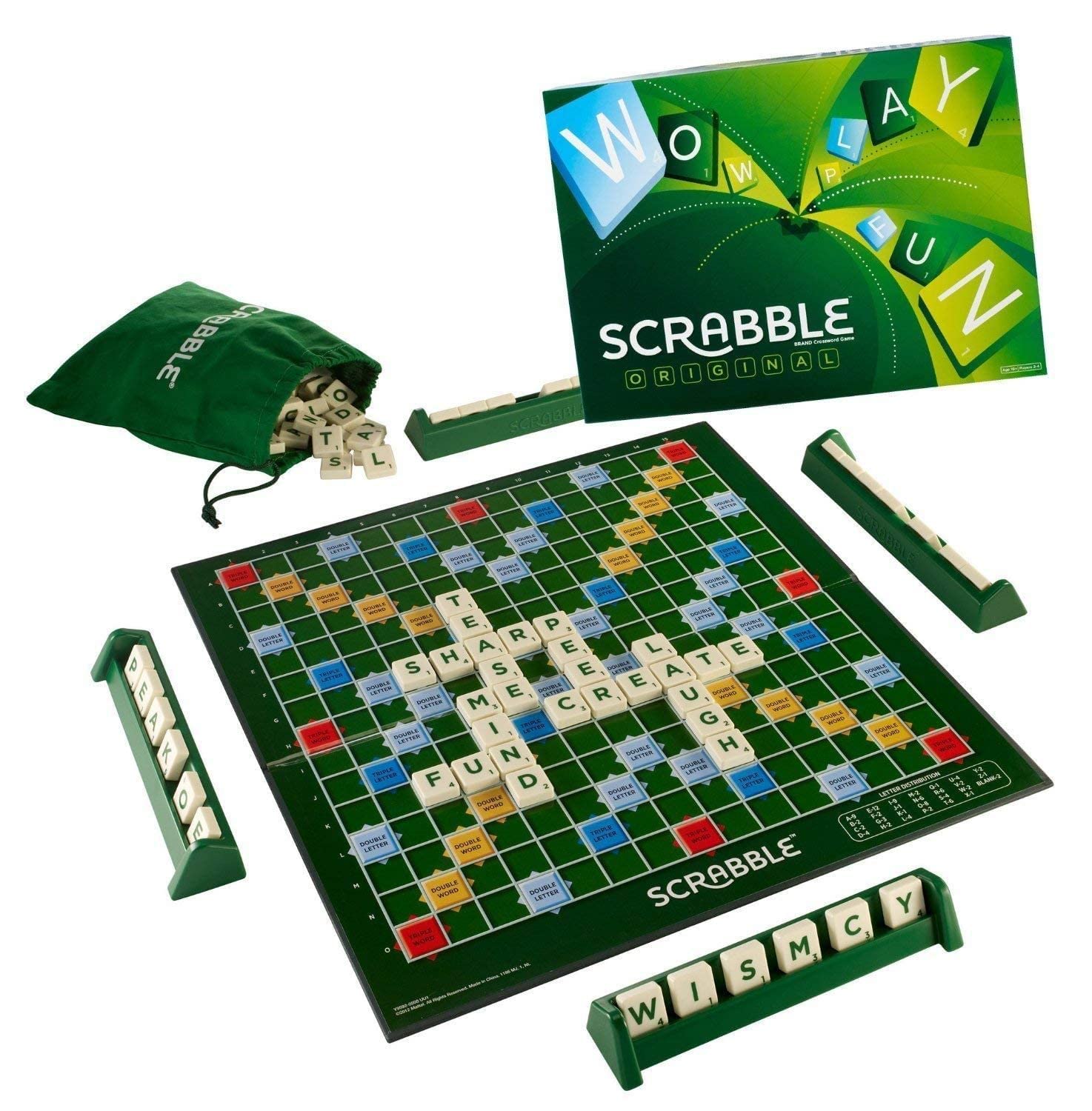
Scrabble vocabulary expansion and spelling
Scrabble remains a classic for vocabulary expansion and spelling accuracy. Players form words on a grid, earning points for letter rarity and board bonuses. This process reinforces spelling rules, word formation, and lexical knowledge. The competitive scoring motivates players to explore obscure words and strategic tile placement. It serves as an engaging educational tool that strengthens language skills through repeated, enjoyable practice in a family setting.
How to choose the right board game
Selecting a strategy or educational board game requires balancing your family’s age range with realistic attention spans. A game that challenges a teenager may bore a ten-year-old, while a complex strategy title might frustrate younger players. The goal is to find a "sweet spot" where the rules are simple enough to learn in fifteen minutes but deep enough to sustain interest for the full session.
Use the comparison table below to match games to your specific needs. Look at the "Primary Skill" column to align the game with your educational goals, whether that is math, history, or critical thinking. Check the "Play Time" to ensure it fits your evening schedule, and verify the "Player Count" to make sure everyone at the table can participate.
| Game | Players | Play Time | Primary Skill |
|---|---|---|---|
| Ticket to Ride | 2-5 | 30-60 min | Strategy & Geography |
| Carcassonne | 2-5 | 30-45 min | Spatial Reasoning |
| Splendor | 2-4 | 30 min | Math & Resource Mgmt |
| 7 Wonders | 2-7 | 30 min | History & Drafting |
| Catan | 3-4 | 60-90 min | Negotiation & Planning |
| Pandemic | 2-4 | 45 min | Teamwork & Logic |
Once you have identified a few candidates, check current availability and pricing for the most popular titles. These games are widely available and often serve as excellent entry points for families new to strategy gaming.

As an Amazon Associate, we may earn from qualifying purchases.
Frequently asked: what to check next
What are the top 10 most famous board games? Chess, Checkers, Monopoly, Scrabble, and Clue dominate the market, with Monopoly selling more than 275 million units worldwide. These titles remain staples for family game nights due to their widespread recognition and simple rulesets that appeal to mixed-age groups.
What are the 15 classic board games every family should own? Beyond the top sellers, classics like Boggle, Yahtzee, The Game of Life, Connect Four, and Scattergories offer diverse gameplay styles. These games span strategy, luck, and word skills, ensuring there is something for every player at the table.
Are board games good for education? Yes. Games like Scrabble and Chess directly improve vocabulary, pattern recognition, and strategic planning. Many modern educational titles integrate math and logic puzzles into engaging mechanics, making learning feel like play rather than work.
How do I choose games for different age groups? Look for games with adjustable difficulty levels or cooperative mechanics. Games like Candy Land and Chutes and Ladders are ideal for younger children, while complex strategy games like Settlers of Catan better suit older kids and adults.
No comments yet. Be the first to share your thoughts!