
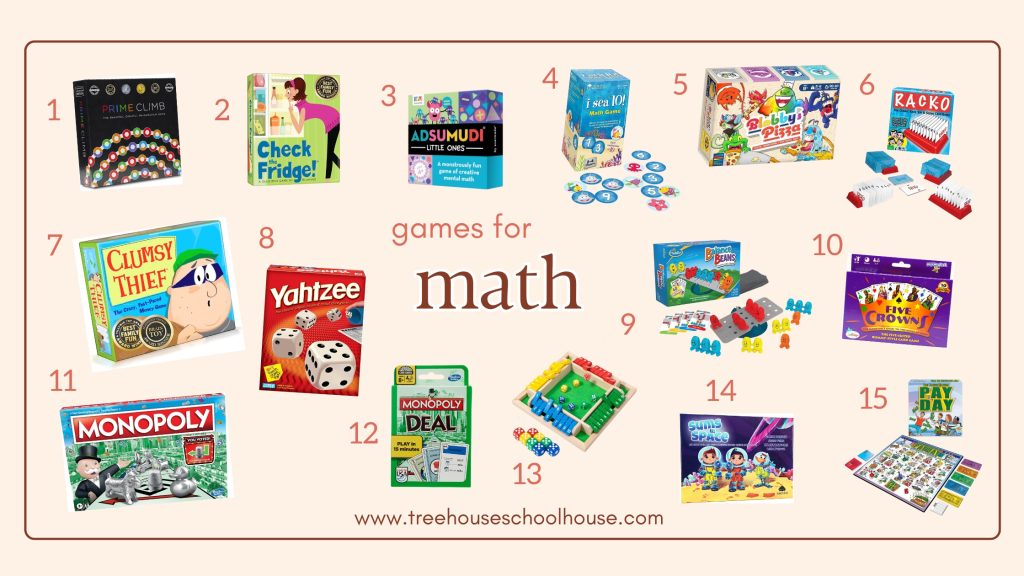

Why board games beat screens for STEM
Physical board games offer a tactile learning experience that digital apps struggle to replicate. When a child manipulates physical pieces, moves tokens along a track, or sorts colored components, they engage their fine motor skills in direct feedback loops. This hands-on interaction grounds abstract concepts like counting, spatial reasoning, and pattern recognition in reality. While PBS KIDS provides excellent digital resources, the physical act of playing a board game creates a multi-sensory memory that helps solidify early STEM foundations.
Beyond individual cognitive gains, board games foster essential family interaction. Unlike solitary screen time, these games require turn-taking, negotiation, and shared focus. Parents and siblings become active participants in the learning process, asking questions and celebrating successes together. This social dimension transforms education into a bonding activity, making the acquisition of STEM skills feel like play rather than instruction. The collaborative nature of board games builds communication skills alongside logic, creating a holistic educational environment that screens simply cannot provide.
10 Best Educational Board Games for Kids in 2026
Selecting the right board game requires balancing engagement with measurable learning outcomes. This roundup highlights 10 specific titles, such as Qwirkle and Scrabble Junior, that effectively teach strategy, vocabulary, and logic through play.
1. Monopoly Junior classic money management game
Monopoly Junior simplifies financial literacy for early learners by replacing complex properties with tangible, kid-friendly assets like ice cream shops and toy stores. Children handle play money, make purchasing decisions, and learn the basics of saving and spending in a low-stakes environment that builds foundational economic intuition.

2. Scrabble Junior vocabulary building for beginners
Scrabble Junior bridges the gap between simple word matching and traditional tile-based spelling. With larger letter tiles and a board featuring picture clues, young players expand their vocabulary and spelling confidence without the intimidation of complex dictionary definitions, making language acquisition feel like playful discovery rather than academic drill.

3. Chess strategy and logic puzzle game
This modern chess variant introduces strategic thinking through accessible mechanics designed for younger minds. By focusing on piece movement logic and forward planning, it cultivates critical problem-solving skills and patience. The simplified ruleset allows children to grasp core tactical concepts without being overwhelmed by the traditional game's steep learning curve.

4. Rush Hour traffic jam logic puzzle
Rush Hour challenges players to navigate a gridlocked traffic scenario by sliding cars to free the red vehicle. This single-player puzzle sharpens spatial reasoning and sequential planning. Each level increases in complexity, forcing children to think several moves ahead and develop persistence as they untangle increasingly difficult vehicular knots.

5. Candy Land colorful path learning game
Candy Land offers a vibrant, color-coded journey ideal for toddlers and preschoolers. Players follow a simple path through whimsical landscapes, developing early color recognition and basic turn-taking etiquette. The lack of reading requirements makes it an accessible entry point into board gaming, fostering social interaction and patience in young children.

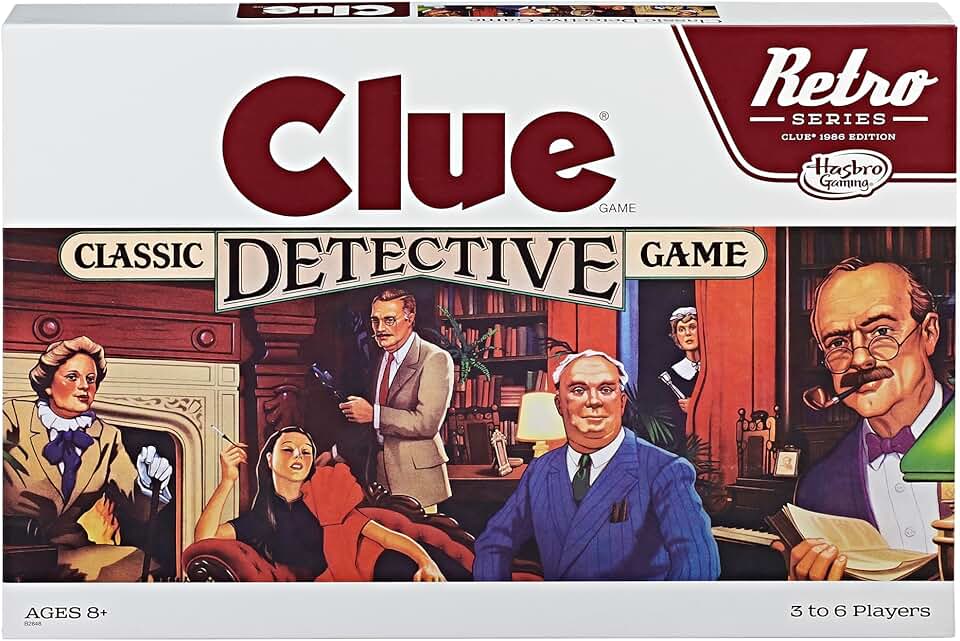
6. Clue mystery deduction and reasoning game
Clue transforms logical elimination into a detective narrative. Players gather clues to deduce the culprit, weapon, and location. This structured deduction process sharpens critical thinking and memory recall. It teaches children how to weigh evidence against possibilities. The game encourages systematic reasoning rather than random guessing.
7. Battleship naval combat strategy game
Battleship requires precise coordinate tracking and probability assessment. Players call out grid locations to sink hidden ships. This mechanic reinforces spatial awareness and logical elimination. Children learn to interpret feedback and adjust strategies dynamically. The game builds patience and strategic foresight through turn-based combat.

8. Connect Four grid alignment skill game
Connect Four demands forward-thinking and pattern recognition. Players drop discs to create lines of four. Success requires anticipating opponent moves several steps ahead. This vertical alignment mechanic strengthens spatial reasoning and planning skills. The game is fast-paced yet deeply strategic for young minds.

9. Uno card matching and color game
Uno focuses on rapid color and number matching under pressure. Players must adapt quickly when wild cards change the game. This fast-paced environment enhances cognitive flexibility and visual discrimination. Children learn to manage limited resources and react to shifting rules. The simplicity masks deep strategic decision-making opportunities.

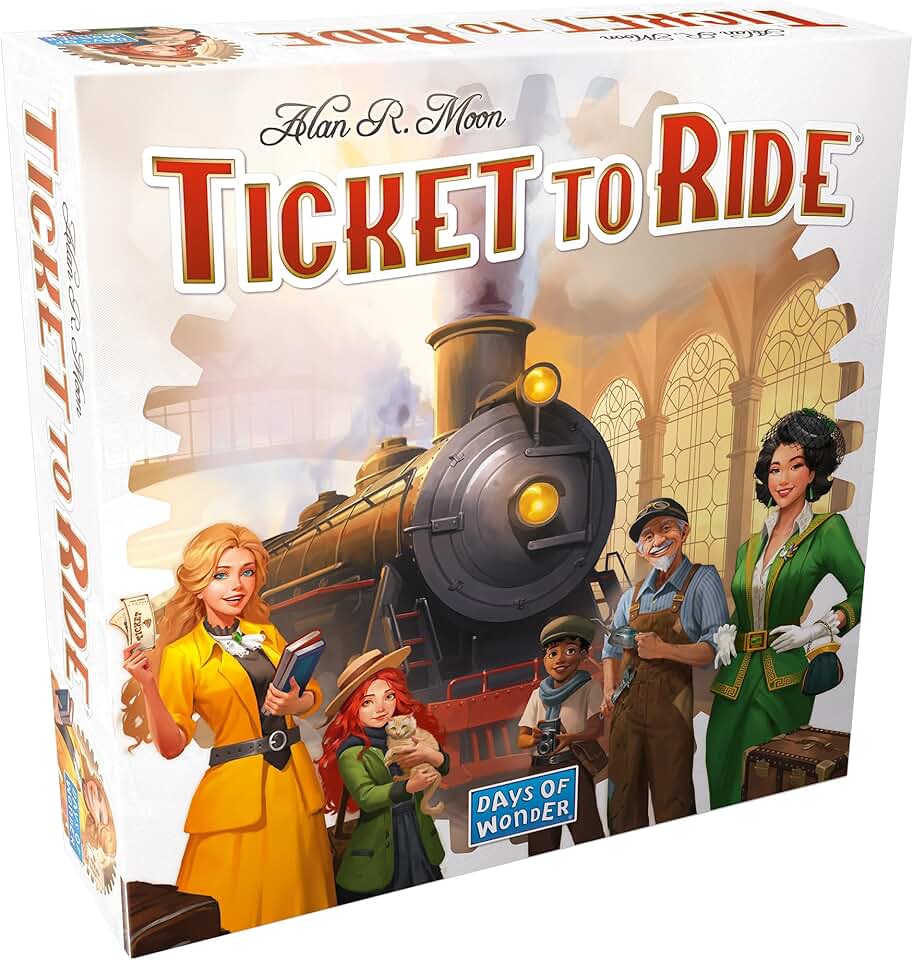
10. Ticket to Ride route planning game
Ticket to Ride introduces network building and resource management. Players collect train cards to claim railway routes across maps. This process teaches long-term planning and spatial optimization. Children learn to balance immediate gains with future connectivity. The game fosters strategic foresight and adaptability in a competitive setting.
How we picked these educational games
We selected these board games based on four practical criteria: age appropriateness, educational rigor, replayability, and family fun factor. Our goal was to identify titles that work as well for a quiet afternoon as they do for a lively family game night.
Age appropriateness ensures the rules are understandable and the components safe for the target age range. A game that is too complex for a six-year-old will frustrate rather than educate, while one that is too simple will bore a ten-year-old.
Educational rigor means the game teaches a specific skill—whether it is phonics, basic arithmetic, or strategic thinking—without feeling like a chore. We looked for mechanics that reinforce learning through play, similar to how digital platforms like Khan Academy Kids or PBS KIDS integrate education into interactive experiences.
Replayability is critical. A game that is fun only once quickly becomes clutter. We prioritized titles with variable setups, evolving strategies, or cooperative elements that keep the experience fresh over multiple sessions.
Finally, the family fun factor determines whether the game stays on the shelf or in the rotation. If parents do not enjoy playing alongside their children, the educational benefits are lost. We chose games that encourage interaction, laughter, and shared problem-solving.
Top 10 educational games for kids
Finding the right balance between screen time and tactile play is a constant negotiation for many families. Educational board games offer a structured way to reinforce classroom concepts without the glow of a monitor. These games turn abstract math problems, vocabulary drills, and scientific principles into memorable social experiences. The following list highlights ten titles that consistently deliver on educational value, durability, and replayability.
1. Math Dice Jr.
Math Dice Jr. is designed for younger players, typically ages six and up. The game uses oversized, colorful dice to practice addition, subtraction, multiplication, and division. Players roll a target die and several scoring dice, then use basic operations to reach the target number. It is fast-paced and builds mental math fluency without feeling like a worksheet.
2. Prime Climb
Prime Climb is a vibrant board game that makes prime factorization accessible and fun. Players move pawns across a colorful spiral board by rolling two dice and performing arithmetic operations. The visual design helps children see the relationships between numbers, making it a strong tool for intermediate learners who need to grasp divisibility rules and prime numbers.
3. Scrabble Junior
Scrabble Junior adapts the classic word game for early readers. Instead of a grid, it uses a path of spaces where players match tiles to form simple words. The tiles feature pictures and letters, helping children connect phonics with spelling. It is an excellent way to build vocabulary and spelling confidence for kids in kindergarten through second grade.
4. Guess Who?
Guess Who? is a classic deduction game that teaches logical reasoning and questioning strategies. Players ask yes-or-no questions to eliminate opponents and guess the hidden character. While simple, it introduces foundational concepts in binary search and probability. It is widely available and affordable, making it a staple in many households.
5. Outfoxed!
Outfoxed! is a cooperative mystery game where players work together to catch a fox who stole a pie. It uses a logic grid system similar to Clue but is tailored for younger children. Players gather clues to eliminate suspects, teaching deductive reasoning and teamwork. The cooperative nature removes the stress of competition, making it ideal for siblings who play together.
6. Zingo
Zingo is a bingo-style game that helps early readers build vocabulary and word recognition. Players use a Zingo! Blaster to shoot tiles onto their bingo cards, matching pictures with words. The game is engaging for pre-readers and early readers alike. It reinforces sight words and picture association in a fast-paced, low-stress environment.
7. Blokus
Blokus is a strategic geometry game that requires spatial reasoning and planning. Players place tetromino-shaped pieces on a grid, ensuring they only touch corners, not sides. It teaches geometry concepts like area, perimeter, and shape recognition. The game is easy to learn but offers deep strategic depth, appealing to both children and adults.
8. Rummikub
Rummikub combines the mechanics of rummy with tile-based gameplay, teaching number sense and pattern recognition. Players arrange tiles into sets and runs, requiring quick mental calculation and adaptability. It is suitable for older children who are comfortable with addition and subtraction. The game encourages strategic thinking and quick decision-making.
9. The Game of Life Junior
The Game of Life Junior simplifies the classic board game for younger audiences, focusing on basic financial literacy. Players navigate a path, collecting money and making simple choices about careers and hobbies. It introduces concepts like saving, spending, and earning in an age-appropriate way. The streamlined rules keep the game moving quickly for shorter attention spans.
10. Qwixx
Qwixx is a fast-paced dice game that practices addition and subtraction under time pressure. Players mark numbers on score sheets as dice are rolled, aiming to complete colored rows. It requires quick mental math and strategic prioritization. The game is highly replayable and helps children build speed and accuracy in basic arithmetic operations.


As an Amazon Associate, we may earn from qualifying purchases.
Best educational games by age group
Use this section to make the 10 Best Educational Board Games for Kids decision easier to compare in real life, not just on paper. Start with the reader's actual constraint, then separate must-have requirements from details that are merely nice to have. A practical choice should survive normal use, maintenance, timing, and budget. If a recommendation only works in an ideal situation, call that out plainly and give the reader a fallback path.
| Factor | What to check | Why it matters |
|---|---|---|
| Fit | Match the option to the primary use case. | A good deal still fails if it does not fit the job. |
| Condition | Verify age, wear, and service history. | Hidden condition issues erase upfront savings. |
| Cost | Compare purchase price with likely upkeep. | The cheapest option is not always the lowest-cost option. |
Tips for playing educational games at home
The goal of an educational board game is to make learning feel like play, not work. Treat the game as a shared activity rather than a test. When you focus on the interaction, children retain concepts better than when they feel pressured to get every answer right.
Encourage open-ended questions during gameplay. If a game involves math, ask your child how they arrived at their total instead of just checking the final score. For strategy games, ask why they chose a specific move. This turns the table into a space for critical thinking rather than rote memorization.
Keep the atmosphere low-stress. Avoid correcting every minor mistake immediately. If a child struggles with a rule or a concept, guide them gently or let the game flow to maintain engagement. The best learning happens when the child is having fun. A positive association with the game reinforces the educational value long after the box is put away.
Frequently asked: what to check next
Are educational board games better than screen time? Board games offer tactile learning that digital apps often miss. While platforms like PBS KIDS and Khan Academy Kids provide excellent digital practice, physical games build fine motor skills and face-to-face social interaction. Using board games as a break from screens helps balance screen time with active play.
At what age can kids start playing educational board games? Most educational board games are designed for ages 4 and up, focusing on basic literacy and numeracy. For younger children, look for simple matching or counting games that require minimal reading. Older kids, aged 8-12, benefit from strategy-based games that involve math, history, or complex problem-solving.
How do I know if a board game is actually educational? Check the game components and rules for explicit learning goals. Good educational games integrate math, reading, or science directly into the gameplay loop rather than treating them as separate quizzes. Look for games that align with school curricula or developmental milestones for your child's age group.
No comments yet. Be the first to share your thoughts!