


Board games 2026 budget
Finding a board game that fits a 2026 budget requires balancing upfront cost against longevity. The market has shifted significantly, with standard family titles now averaging $40 to $60, while complex strategy games often exceed $80. This price jump reflects higher production values and expanded components, but it also means buyers must be more selective about what they actually play.
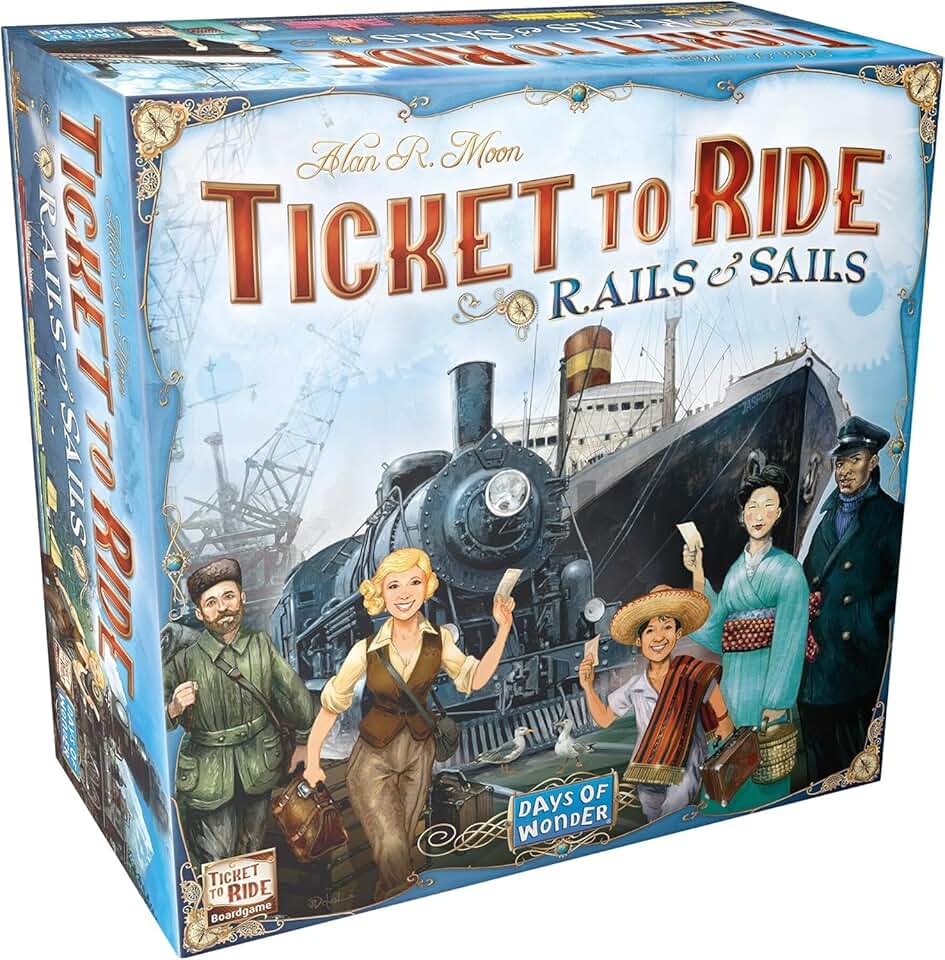
For those watching their spending, the sweet spot lies in the $25 to $40 range. Games like Ticket to Ride: Rails & Sails offer substantial gameplay without the premium price tag of newer heavy hitters. These titles provide excellent replay value and are easier to resell or gift, making them safer bets for casual groups. Avoiding the latest "game of the year" hype can save significant money, as previous editions often drop in price on secondary markets.
Condition and edition choices also impact your bottom line. Standard editions are usually sufficient for most households, whereas special editions or expansions can double the cost for marginal aesthetic improvements. If you are buying for a large group, consider purchasing one copy and hosting game nights, or buying used copies from reputable sellers to cut costs by 30-50%. The goal is to find a game that sits on the shelf and gets pulled out regularly, not one that gathers dust after a single session.


As an Amazon Associate, we may earn from qualifying purchases.
Compare the strongest best board games 2026 options
The 2026 board game landscape is crowded with high-quality releases and reprints, making it hard to decide which table to prioritize. To help you choose, we have compared four of the most prominent strategy and family games dominating discussions this year.
These titles represent different playstyles, from worker placement to cooperative survival. Use the comparison below to see how they stack up against each other before you commit to a purchase.
| Game | Primary Mechanic | Players | Best For |
|---|---|---|---|
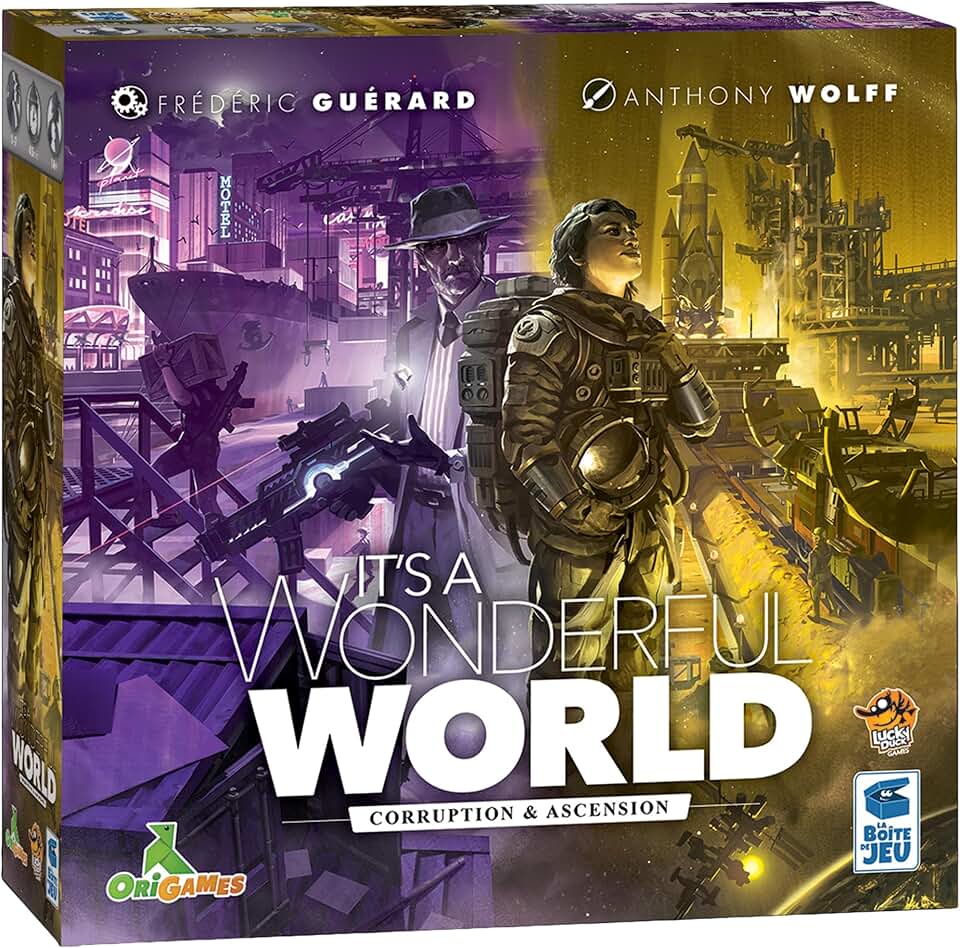
| It's a Wonderful World | Worker Placement | 1-4 | Engine building and resource management |
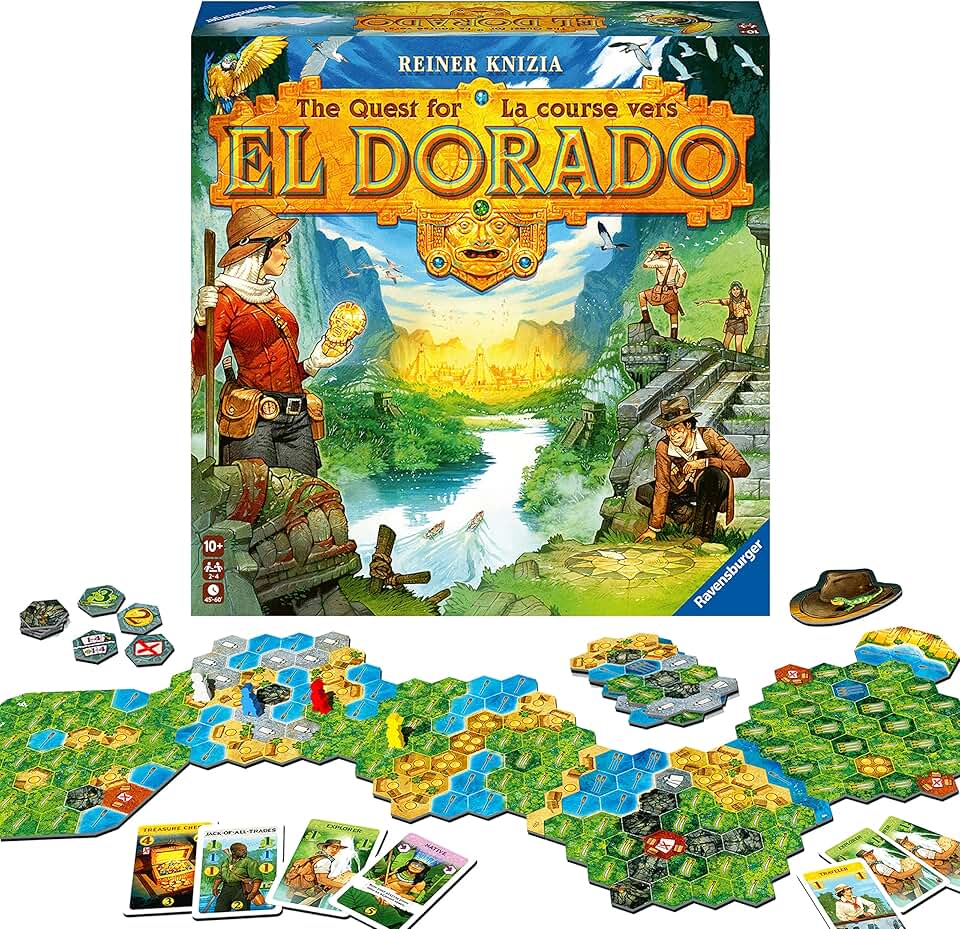
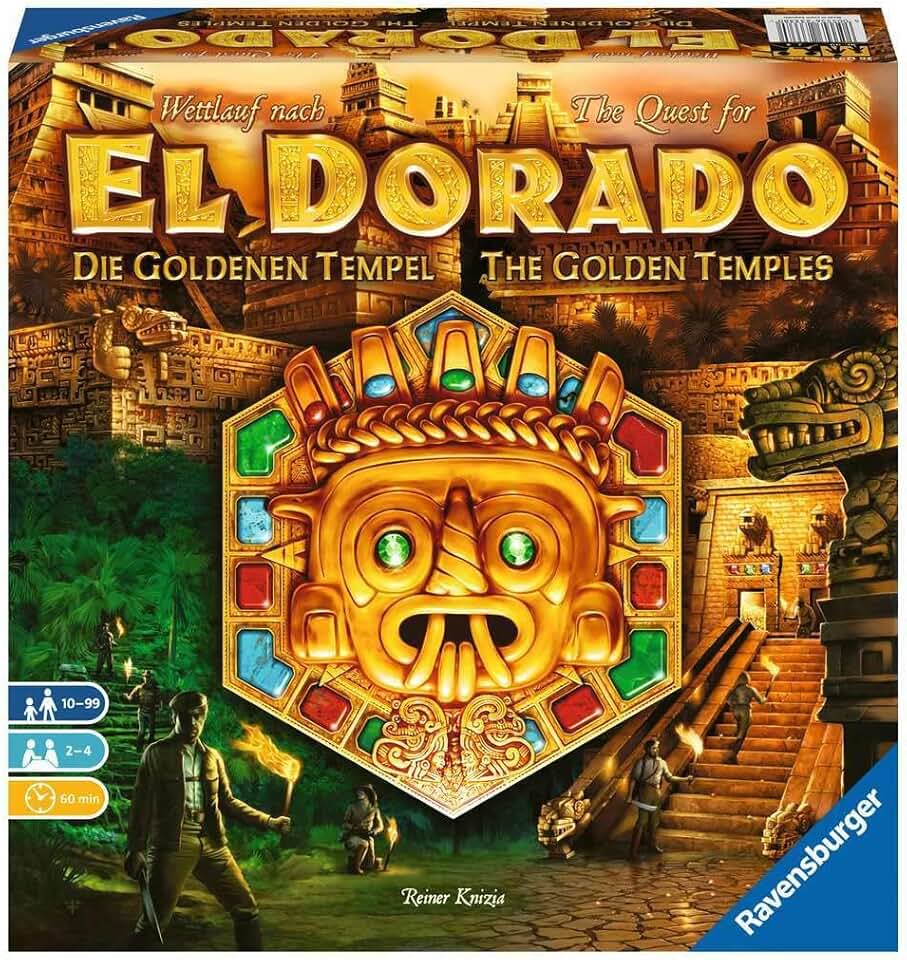
| Quest for El Dorado | Deck Building | 1-4 | Solo play and thematic exploration |
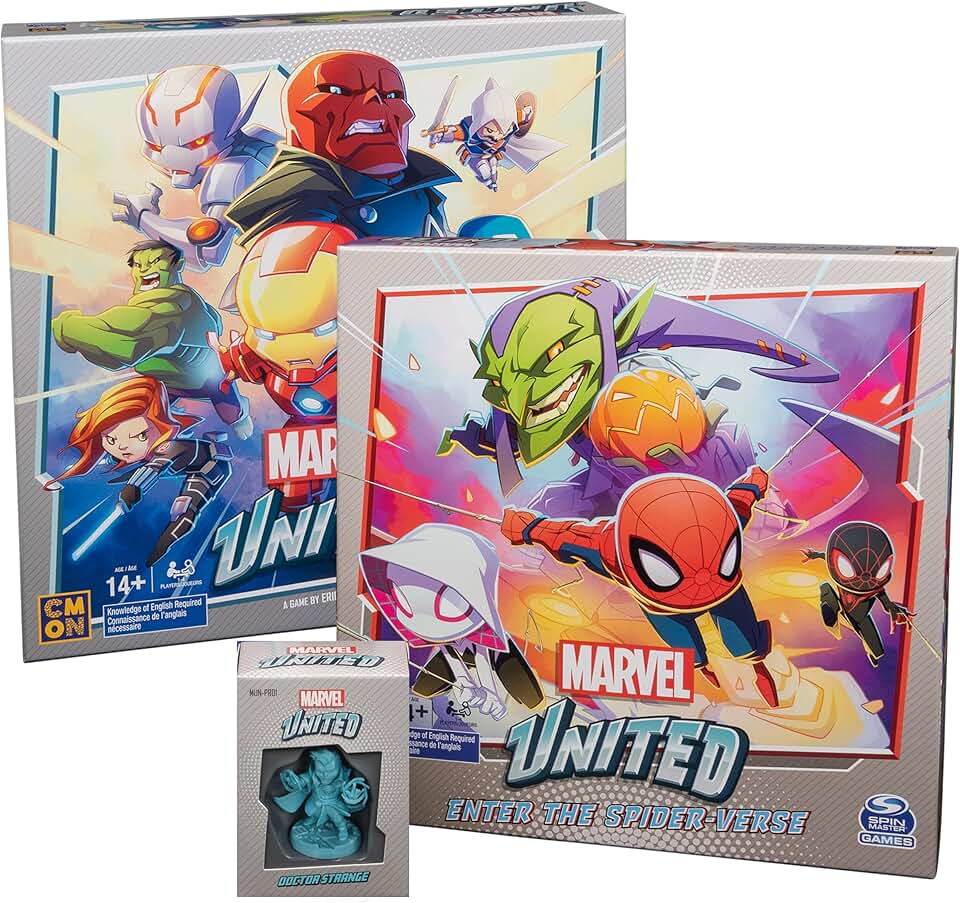
| Marvel United | Cooperative Card Play | 1-6 | Family-friendly superhero action |
| Dune: Imperium | Deck Building/Worker Placement | 1-4 | Deep strategy and thematic immersion |
It’s a Wonderful World stands out for players who enjoy optimizing their engine. It is a streamlined worker placement game that scales well from solo to four players, offering a satisfying loop of spending resources to gain more powerful actions.
Quest for El Dorado is a deck-building game with a strong solo component. If you prefer exploring a theme over complex negotiations, this title offers a tight, engaging experience that works well for both newcomers and veterans.
Marvel United brings cooperative play to the forefront. It is designed for larger groups and families, allowing players to team up as Marvel heroes to defeat villains. The rules are simple, making it an accessible entry point for those new to board games.
Dune: Imperium combines deck building and worker placement into a sophisticated strategy game. It is ideal for players who want a deep, thematic experience with significant decision-making weight, set in the rich universe of Frank Herbert’s Dune.


As an Amazon Associate, we may earn from qualifying purchases.
Inspect the expensive parts
Board games are expensive hobbies. A single box can cost more than a video game, and replacements for missing pieces are often impossible to find. Before you commit to a high-ticket title, run through this checklist to avoid costly mistakes. Think of it as a pre-flight check for your wallet.
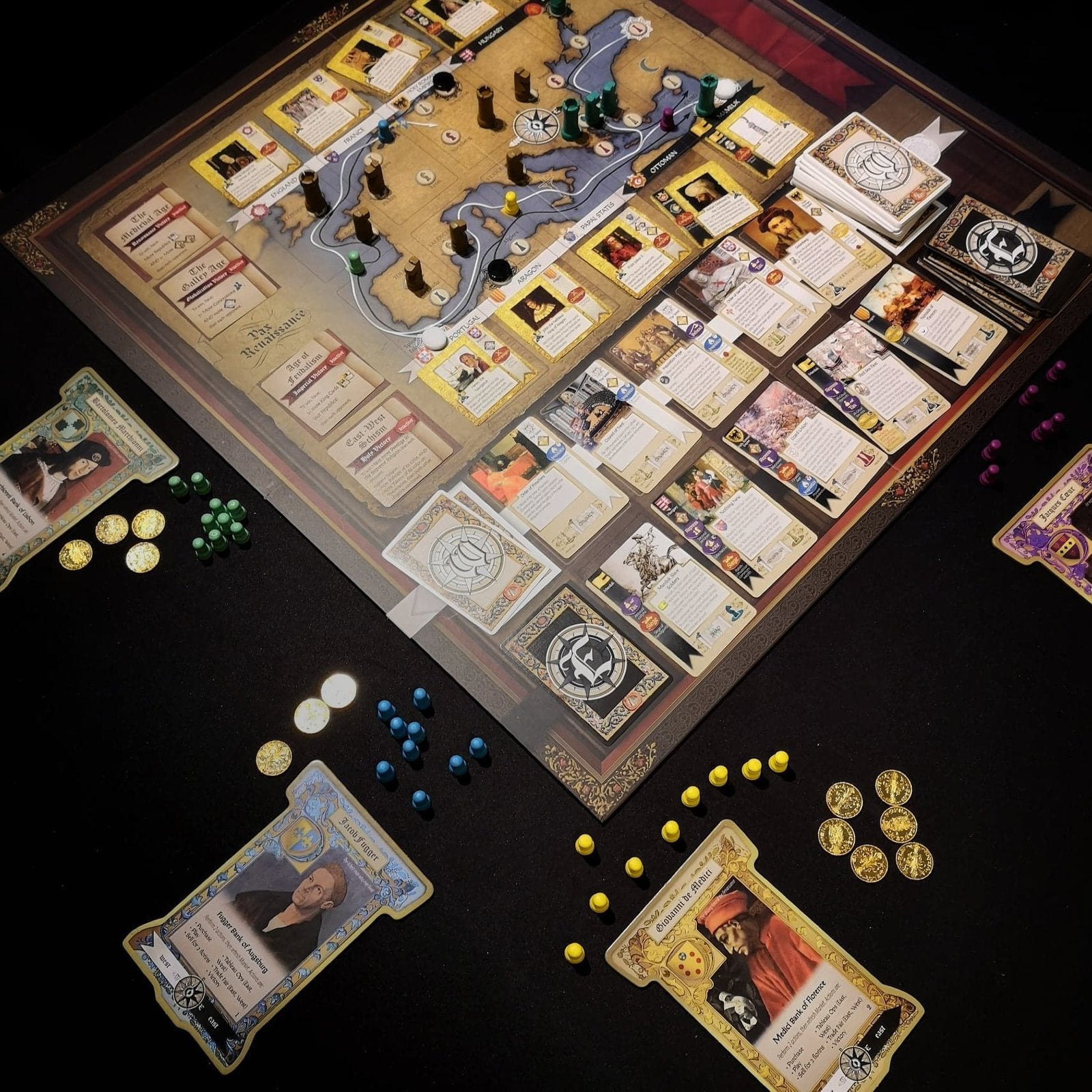
Look for metal coins, wooden cubes, or thick cardboard tokens. Cheap plastic miniatures or thin cardboard that bends easily are red flags. If the components feel flimsy, the game likely won't survive more than a few playthroughs. High-quality components add weight and satisfaction to every turn.
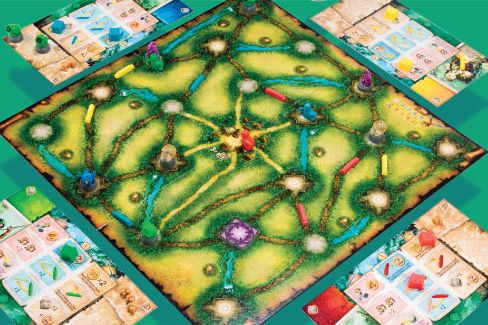
Some expensive games rely on "player boards" or modular tiles that are prone to loss. Check if the manufacturer sells replacement packs. If you lose a single player board in a complex engine-builder, the game might become unplayable. Games with fewer unique, trackable pieces are generally safer for long-term ownership.
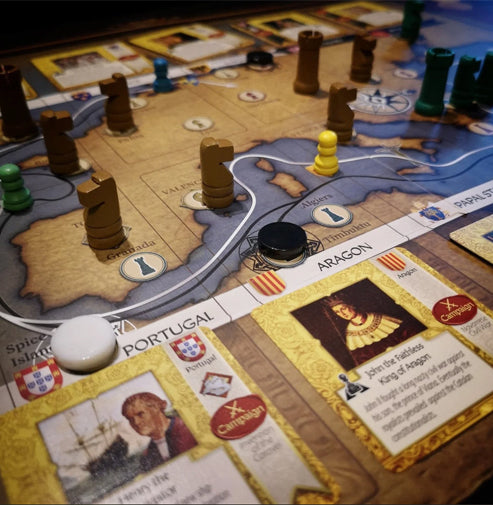
High cost often correlates with high complexity. If a game has 200 pages of rules, ensure you have the time to learn it. A game that sits in the box because it's too hard to teach is the most expensive waste of all. Check the "BGG Complexity" rating or watch a 10-minute intro video before buying.
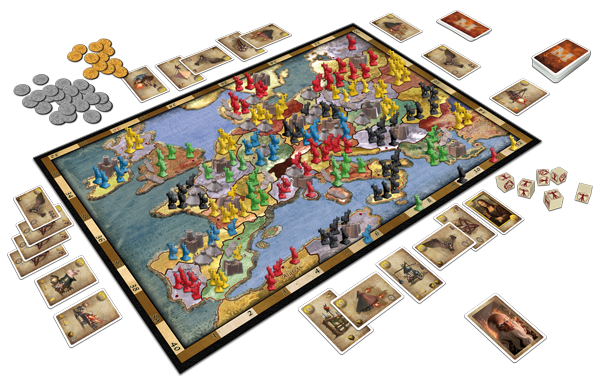
Does the game change every time you play? If the setup is identical round after round, you'll get bored quickly. Look for variable player powers, random event decks, or modular boards. These elements keep the game fresh and justify the initial investment over many hours of play.

As an Amazon Associate, we may earn from qualifying purchases.
The goal isn't to find the perfect game, but to avoid buying one that gathers dust. A quick inspection takes minutes; a bad purchase takes months to regret.
Plan for ownership costs
Use this section to make the The Board Game Renaissance decision easier to compare in real life, not just on paper. Start with the reader's actual constraint, then separate must-have requirements from details that are merely nice to have. A practical choice should survive normal use, maintenance, timing, and budget. If a recommendation only works in an ideal situation, call that out plainly and give the reader a fallback path.
The simplest way to use this section is to write down the must-have criteria first, then compare each option against those criteria before weighing nice-to-have features.
Board games 2026: what to check next
Choosing the right strategy or family game in 2026 can feel overwhelming with so many new releases. We answer the most common practical questions to help you decide what to buy first.
No comments yet. Be the first to share your thoughts!