

10 Best Board Games for Family Game Night in 2026
Finding the best board games for family game night in 2026 means balancing quick setup with deep engagement. This roundup highlights concrete titles like Catan, Ticket to Ride, and Codenames that consistently deliver high replay value for mixed-age groups.
1. Catan: Gateway to modern tabletop gaming
Catan transformed the hobby by introducing resource trading and settlement building, making it the perfect entry point for families new to modern board games. The modular board ensures every session feels fresh, while the negotiation mechanics encourage lively discussion among players of varying ages and strategic depths.

2. Ticket to Ride: Simple routes with big fun
Ticket to Ride offers an accessible yet engaging experience where players collect train cards to claim railway routes across a map. Its straightforward rules make it easy for children to grasp, while the strategic planning required to complete long routes keeps adults entertained and invested in the competitive outcome.

3. Carcassonne: Elegant tile-laying strategy for all ages
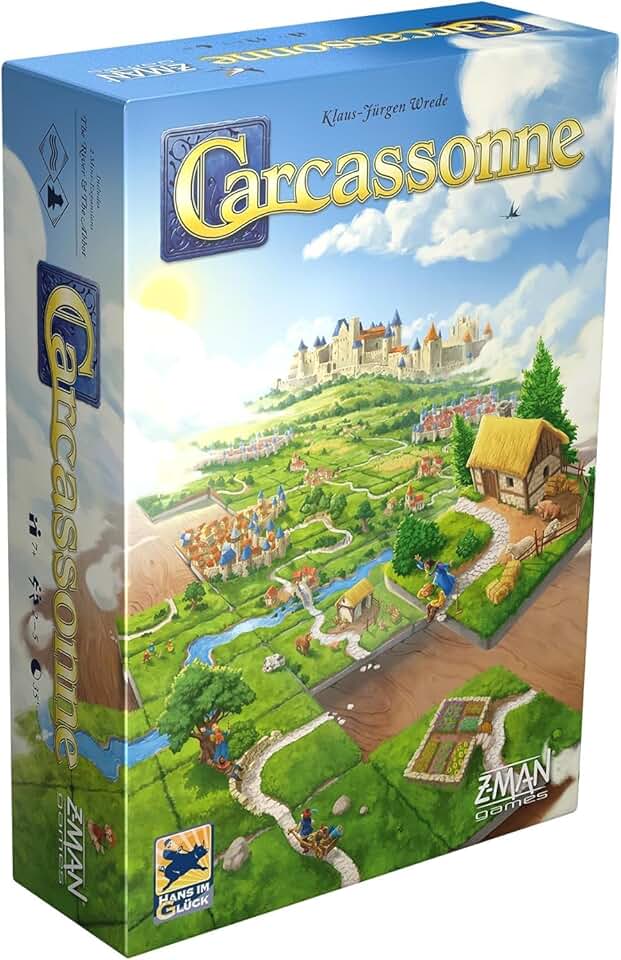
Carcassonne uses a simple tile-laying mechanic to construct a medieval landscape of cities, roads, and monasteries. Players must decide whether to complete features immediately for points or hold back for future turns, creating a dynamic tension that appeals to both casual players and those seeking deeper tactical choices.
4. Dominion: The pioneering deck-building board game
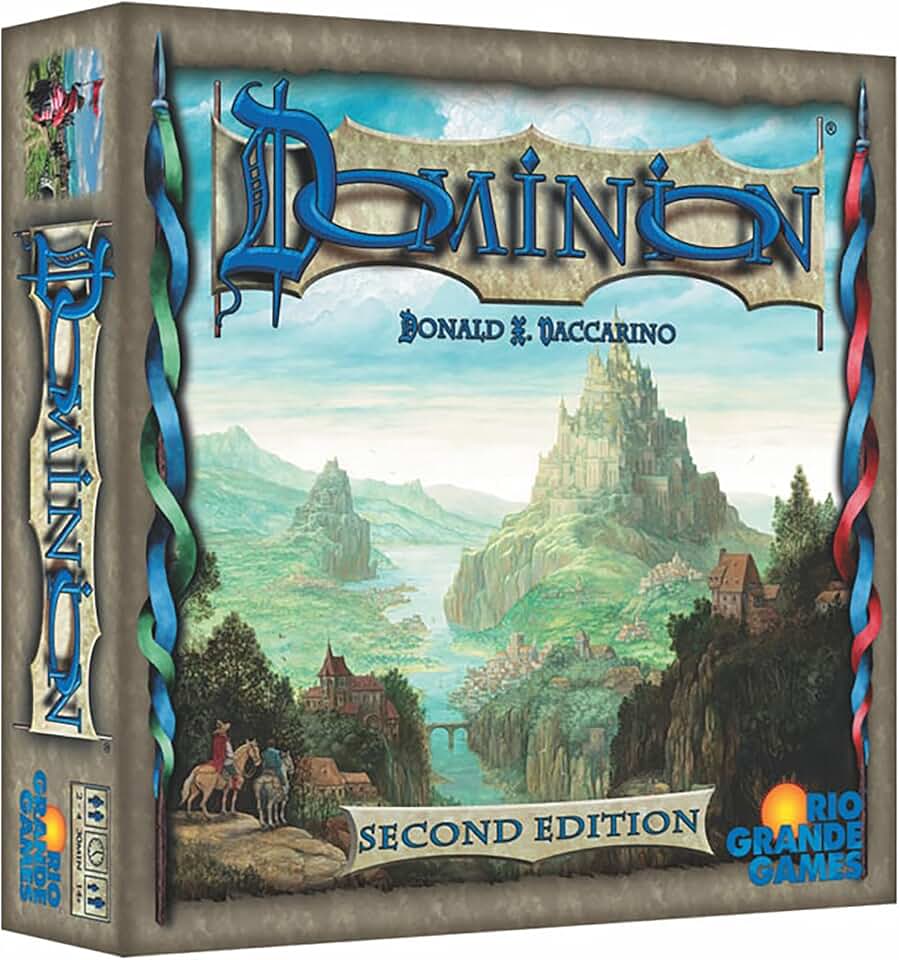
Dominion introduced the deck-building genre, where players start with a limited hand and purchase new cards to enhance their deck. This mechanic creates a satisfying progression as your hand evolves from weak actions to powerful combos, offering a unique experience that differs significantly from traditional board game structures.
5. Stone Age: Deep resource management gameplay
Stone Age challenges players to manage limited worker actions to gather resources and build structures in a prehistoric setting. The game requires careful planning to balance immediate needs with long-term goals, providing a rich strategic experience that rewards efficient planning and adaptability in a competitive family environment.
6. Lost Cities: Quick and engaging two-player strategy
Lost Cities delivers intense strategic depth in a compact package, perfect for couples or quick sessions. Players race to build expeditions across five locations, balancing risk with reward as cards are played in ascending order. Its elegant simplicity masks deep decision-making, making it a timeless favorite for two-player interactions where every move counts.

7. King of Tokyo: Chaotic dice-chucking fun
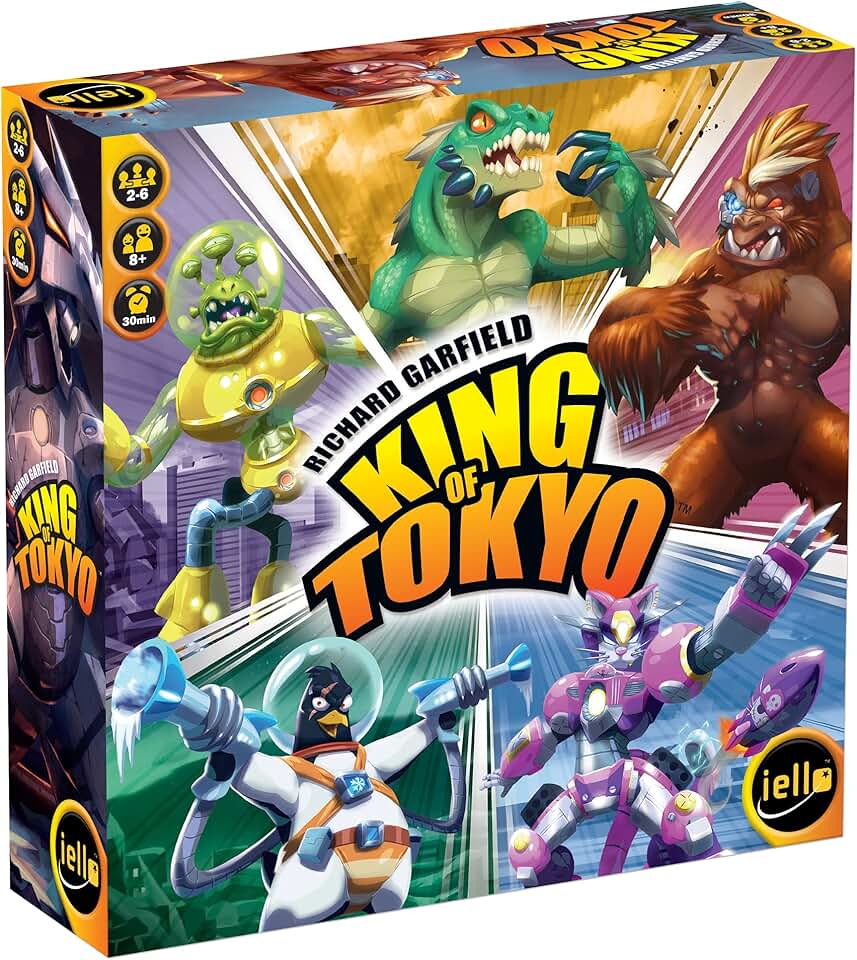
King of Tokyo transforms dice rolling into a chaotic battle for city dominance. Players embody giant monsters, rolling dice to attack opponents, heal, or gain victory points. The game’s fast pace and unpredictable outcomes create hilarious moments, making it an excellent choice for families who enjoy high-energy, luck-based competition with a playful theme.
8. Targi: Elegant worker placement mechanics
Targi offers sophisticated worker placement mechanics in a streamlined format, ideal for families ready for slightly deeper strategy. Players manage caravans to trade goods and complete quests, requiring careful planning and resource allocation. Its clean design and meaningful choices provide a satisfying challenge without overwhelming complexity, serving as a great bridge to more complex eurogames.

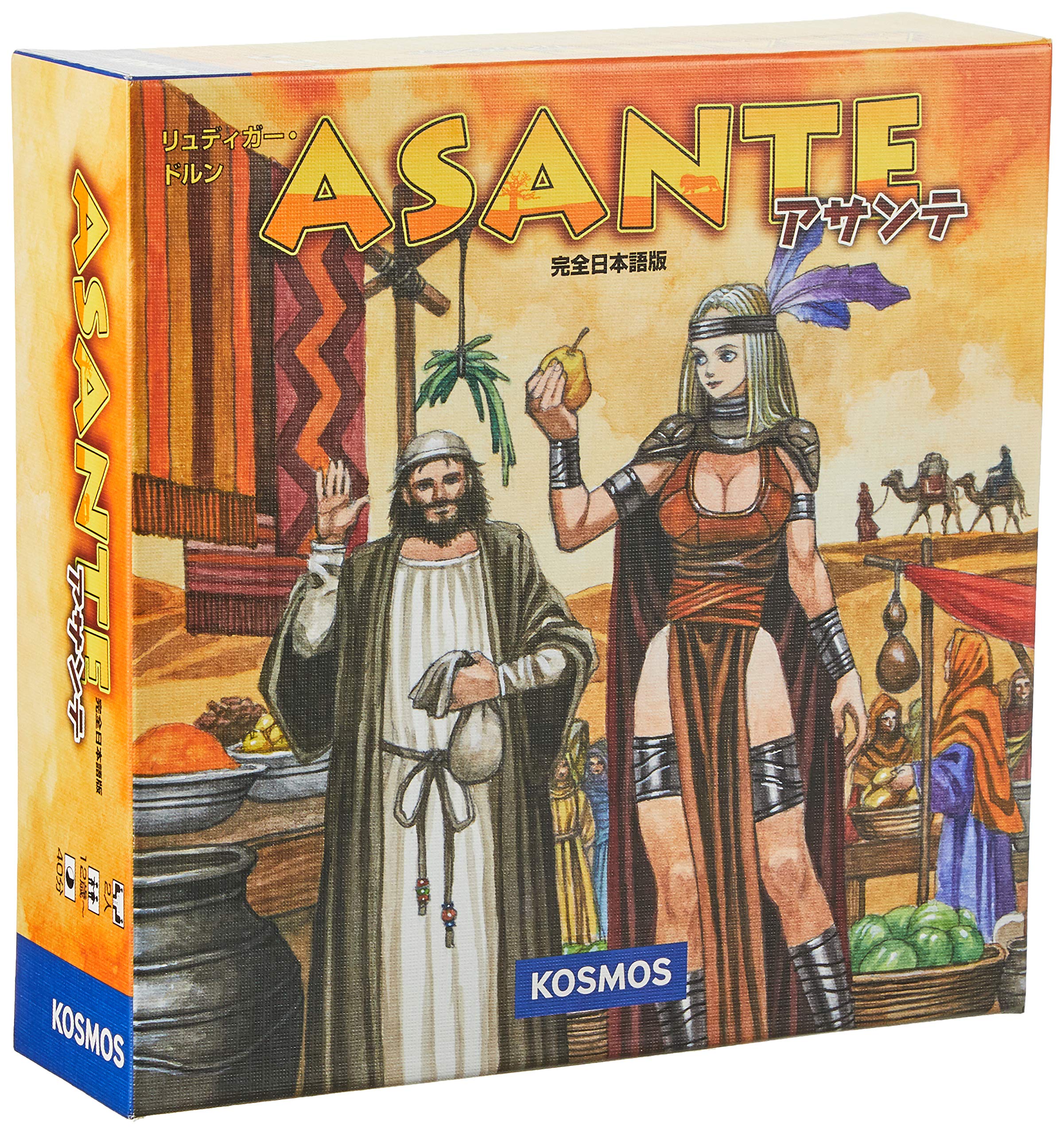
9. Asante: Cooperative trading and negotiation fun
Asante shifts the focus to cooperation and negotiation, challenging players to work together to fulfill orders in a vibrant African market setting. Players must trade resources and negotiate deals to succeed collectively, fostering communication and teamwork. This unique approach to board gaming encourages social interaction and shared problem-solving, making it a refreshing alternative to competitive titles.
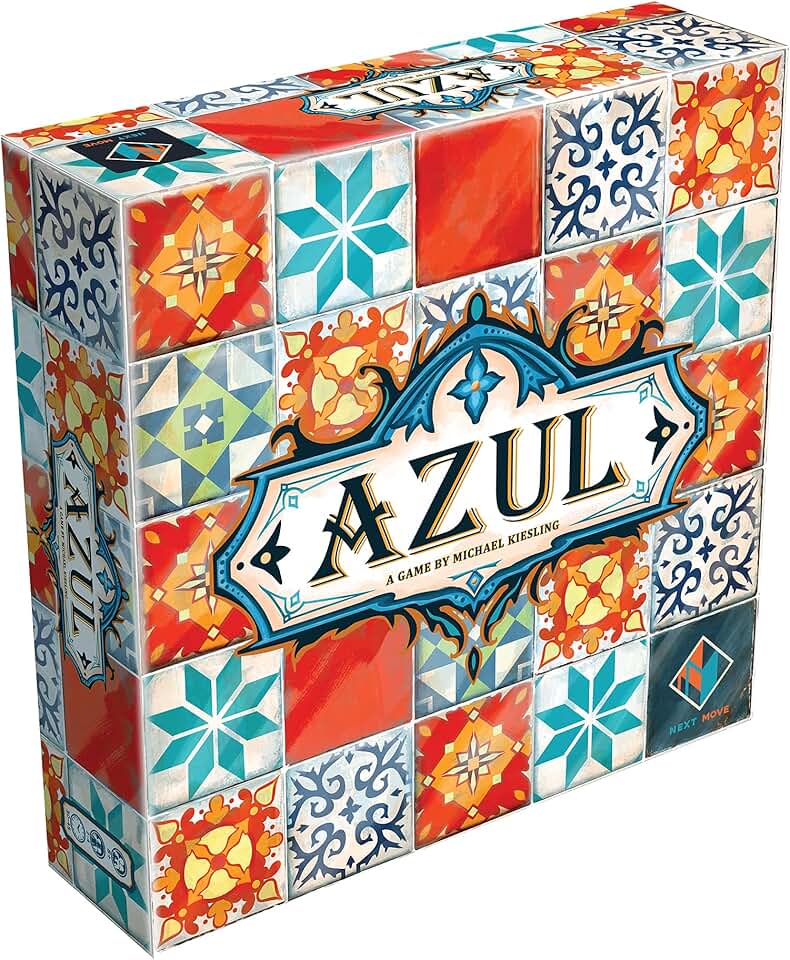
10. Azul: Strategic tile-drafting and pattern building
Azul combines beautiful aesthetics with strategic tile-drafting, challenging players to create intricate patterns on their walls. Players must carefully select tiles to maximize points while blocking opponents, blending luck with careful planning. Its accessible rules and satisfying tactile gameplay make it a standout choice for families who appreciate visual appeal and moderate strategic depth.
How we picked the best board games
Finding the right family game night setup means balancing three competing needs: accessibility for younger players, replayability to keep interest high, and broad community consensus. We focused on titles that consistently appear in top-tier recommendations from BoardGameGeek and active tabletop communities, rather than chasing niche mechanics or fleeting trends.
Accessibility was our first filter. A game must be understandable within 10–15 minutes for a mixed-age group. If the rulebook requires a tutorial longer than the first round of play, it likely won’t survive repeated use at a family table. We looked for intuitive components and straightforward victory conditions that don’t require constant rule-checking.
Replayability ensures the game remains a staple, not a one-time novelty. We evaluated games with variable board layouts, modular components, or branching paths that change the strategic landscape each session. Titles like Catan or Ticket to Ride dominate the top 50 lists on BoardGameGeek precisely because no two games feel identical.
Finally, we cross-referenced our shortlist with community consensus. Games that consistently rank high across multiple platforms and user reviews tend to have the most robust support, including expansions and variant rules, which further extends their lifespan. This triangulation of data helps us identify the most reliable options for your home collection.
How to choose the right game for your group
Picking the best board games for your table starts with matching the rules to your group’s habits. A game that works for four adults might frustrate a group with young children or casual players. Use these three filters to narrow down the list quickly.
Player count and dynamics
Some games shine with exactly two players but become chaotic with six. Others, like Ticket to Ride or Carcassonne, scale smoothly from two to five players. Check the player range on the box. If your group fluctuates between 3 and 6 people, look for games explicitly designed for larger tables, such as Codenames or Azul.
Age range and accessibility
Board games often list a minimum age, but this usually reflects theme complexity rather than mechanical difficulty. Catan is recommended for ages 10+, but many families play it successfully with younger kids if an adult guides the trades. For mixed-age groups, choose cooperative games like Pandemic or simple abstracts like Azul, where everyone can contribute without deep strategic knowledge.
Complexity and playtime
Match the game’s weight to your energy level. Light games like Dixit or Sushi Go! take 15–30 minutes and have easy rules. Medium-weight games like Carcassonne or Ticket to Ride take 45–60 minutes and involve more decision-making. Avoid heavy strategy games unless your group specifically wants a deep, immersive experience.
Quick comparison of top picks
Use this table to compare the most popular family-friendly titles against these criteria.
| Game | Players | Playtime | Complexity |
|---|---|---|---|
| Catan | 3–4 | 60–90 min | Medium |
| Ticket to Ride | 2–5 | 30–60 min | Light |
| Carcassonne | 2–5 | 30–45 min | Light |
| Codenames | 4+ | 15–30 min | Light |
| Azul | 2–4 | 30–45 min | Light |
| Pandemic | 2–4 | 45–60 min | Medium |
Ready to buy?
Here are some of the most popular options available now.


As an Amazon Associate, we may earn from qualifying purchases.
Frequently asked questions about board games
What is the best board game for beginners? Start with games that have clear rules and quick setup times. Catan and Ticket to Ride are widely considered the best board games for newcomers because they teach strategy without overwhelming players with complex mechanics. These titles appear consistently on top lists from BoardGameGeek for their accessibility.
How should I store board games to keep them in good condition? Keep boxes in a cool, dry place away from direct sunlight to prevent warping and fading. For long-term storage, remove cardboard inserts if possible and use acid-free paper to protect components. Storing games flat prevents heavy boxes from crushing the contents underneath.
What is the best board game for a large family group? For groups of six or more, cooperative or party games work best to keep everyone engaged. Titles like Codenames or Telestrations scale easily and minimize downtime between turns, ensuring the game night stays lively for all ages.
No comments yet. Be the first to share your thoughts!