


Why 2026 is a great year for board games
The board game market in 2026 is defined by a shift toward hybrid mechanics that blend deep strategic planning with accessible educational themes. Publishers are moving away from pure filler games, focusing instead on titles that offer meaningful decision-making for families and serious strategists alike. This year’s releases prioritize component quality and replayability, ensuring that every purchase adds lasting value to your shelf.
You will find a strong presence of polyomino puzzles and worker placement mechanics in this year’s top picks. Games like Planet Unknown demonstrate how simple geometric rules can create complex, engaging interactions, while titles such as Keyper and Puerto Rico 1897 bring fresh twists to classic eurogame structures. This diversity means there is a perfect match for every table, whether you are teaching children basic logic or competing with veteran players.
The trend of integrating educational elements without sacrificing depth is particularly notable. Modern design allows players to learn spatial reasoning or historical context naturally through gameplay rather than through dry instruction manuals. This approach makes board games a powerful tool for family bonding, turning game night into an opportunity for shared learning and laughter.
This focus on quality over quantity means you can expect fewer disposable games and more enduring classics. The 2026 lineup is curated to provide immediate fun while rewarding repeated plays with new discoveries. As we explore the best options below, you will see how these design philosophies come to life in concrete, playable experiences.
10 Best Board Games of 2026: Strategy, Education & Family Fun
Use this section to make the decision easier to compare in real life, not just on paper. Start with the reader's actual constraint, then separate must-have requirements from details that are merely nice to have. A practical choice should survive normal use, maintenance, timing, and budget. If a recommendation only works in an ideal situation, call that out plainly and give the reader a fallback path.
The simplest way to use this section is to write down the must-have criteria first, then compare each option against those criteria before weighing nice-to-have features.
- 7 Wonders Duel: A masterpiece of two-player strategy where players build civilizations through card drafting. It offers complex decision-making without the downtime of multiplayer games, making it ideal for couples or competitive friends.
- Cerebria: The Inside World: An educational game that takes place inside the human body. Players move through the bloodstream and cells to treat illnesses, combining unique mechanics with genuine biological learning for families with school-age children.
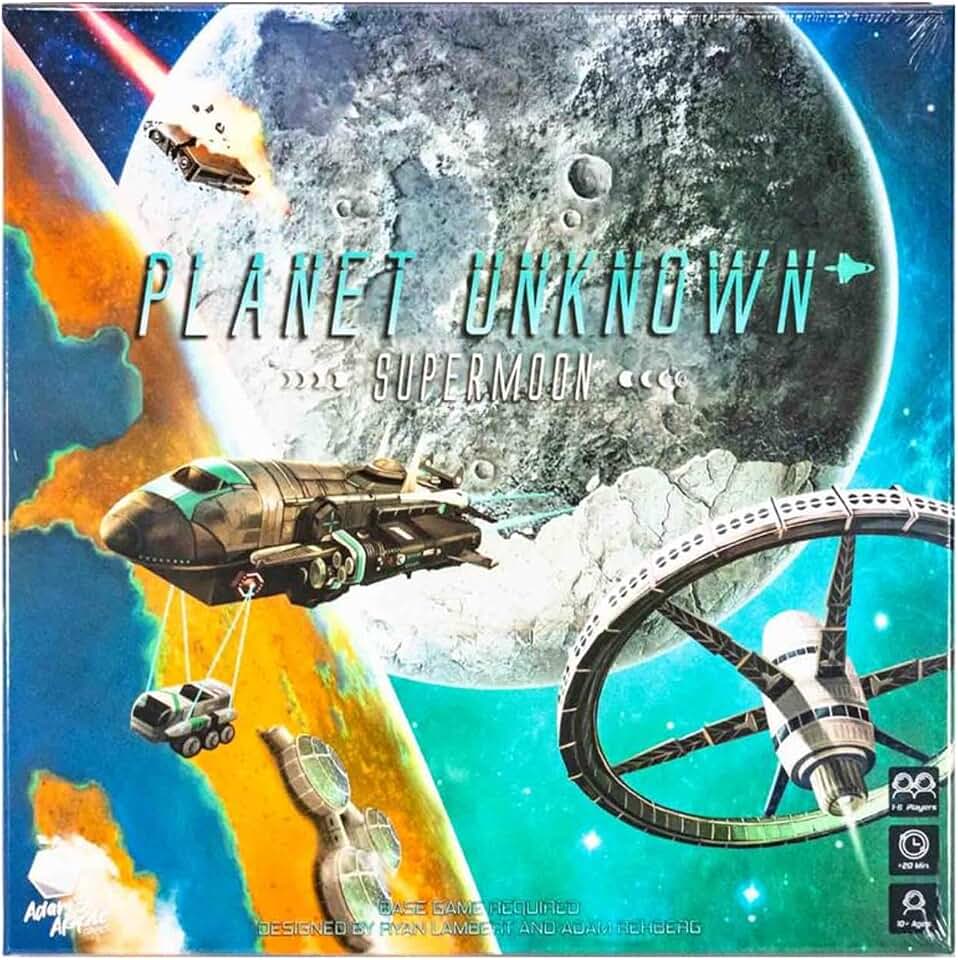
- Planet Unknown: A polyomino puzzle game where players place hexagonal tiles to build a colony. It features simple rules but deep strategic interactions, serving as a modern classic for those who enjoy spatial reasoning and light competition.
- Keyper: A worker placement game that allows for simultaneous action selection. It supports 2-6 players with high replayability due to its modular board and the ability to steal actions, appealing to veteran eurogame players.
- Puerto Rico 1897: A modern reimagining of the classic colonial trading game. It streamlines the original mechanics while retaining the deep economic strategy, offering a fresh twist on a beloved structure for experienced players.
- Ticket to Ride: Rails & Sails: The latest entry in the accessible family series, introducing ships to connect continents. It is perfect for introducing younger players to route-building mechanics while still offering enough strategy to keep adults engaged.
- Wingspan: A bird-themed engine-building game that combines beautiful art with intricate card play. It is highly educational, teaching players about avian habitats and behaviors while providing a satisfying strategic loop.
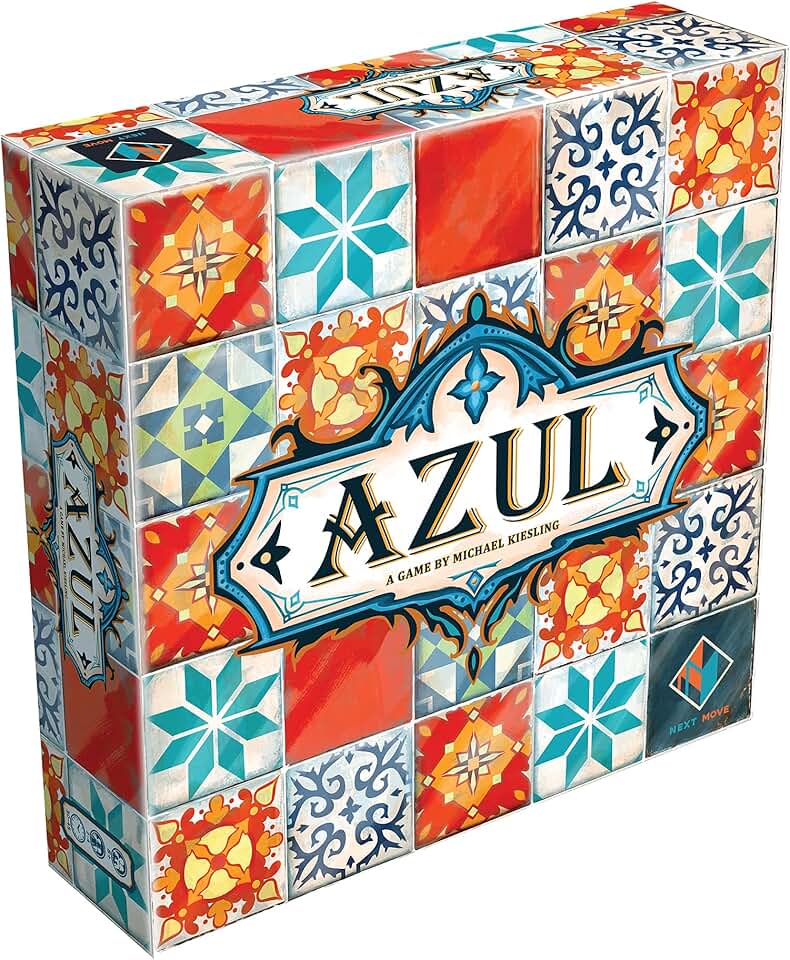
- Azul: An abstract strategy game focused on pattern building and tile placement. Its simple rules make it easy to teach, but the tactical depth ensures it remains engaging for repeated plays, making it a staple for game nights.
- Catan: The gateway game that started the modern board game boom. Its trading and resource management mechanics remain timeless, offering endless variability through modular boards and expansion packs.
- Pandemic: A cooperative game where players work together to stop disease outbreaks. It emphasizes teamwork and strategic planning, making it an excellent choice for groups who prefer collaboration over competition.
How to choose the right board game for your group
Choosing a board game works best as a clear sequence: define the constraint, compare the realistic options, test the tradeoff, and choose the path with the fewest hidden costs. That order keeps the advice usable instead of decorative. After each step, pause long enough to check whether the recommendation still fits the reader's actual situation. If it depends on perfect timing, unusual access, or a best-case budget, include a simpler fallback.
The simplest way to use this section is to write down the real constraint first, compare each option against it, and choose the path that still works outside ideal conditions.
Frequently Asked Questions About 2026 Board Games
Choosing a board game for 2026 often comes down to balancing player count, age appropriateness, and the type of experience you want. Whether you are looking for deep strategic puzzles or lighthearted family fun, here are answers to the most common questions shoppers have about this year's top releases.






As an Amazon Associate, we may earn from qualifying purchases.
No comments yet. Be the first to share your thoughts!