
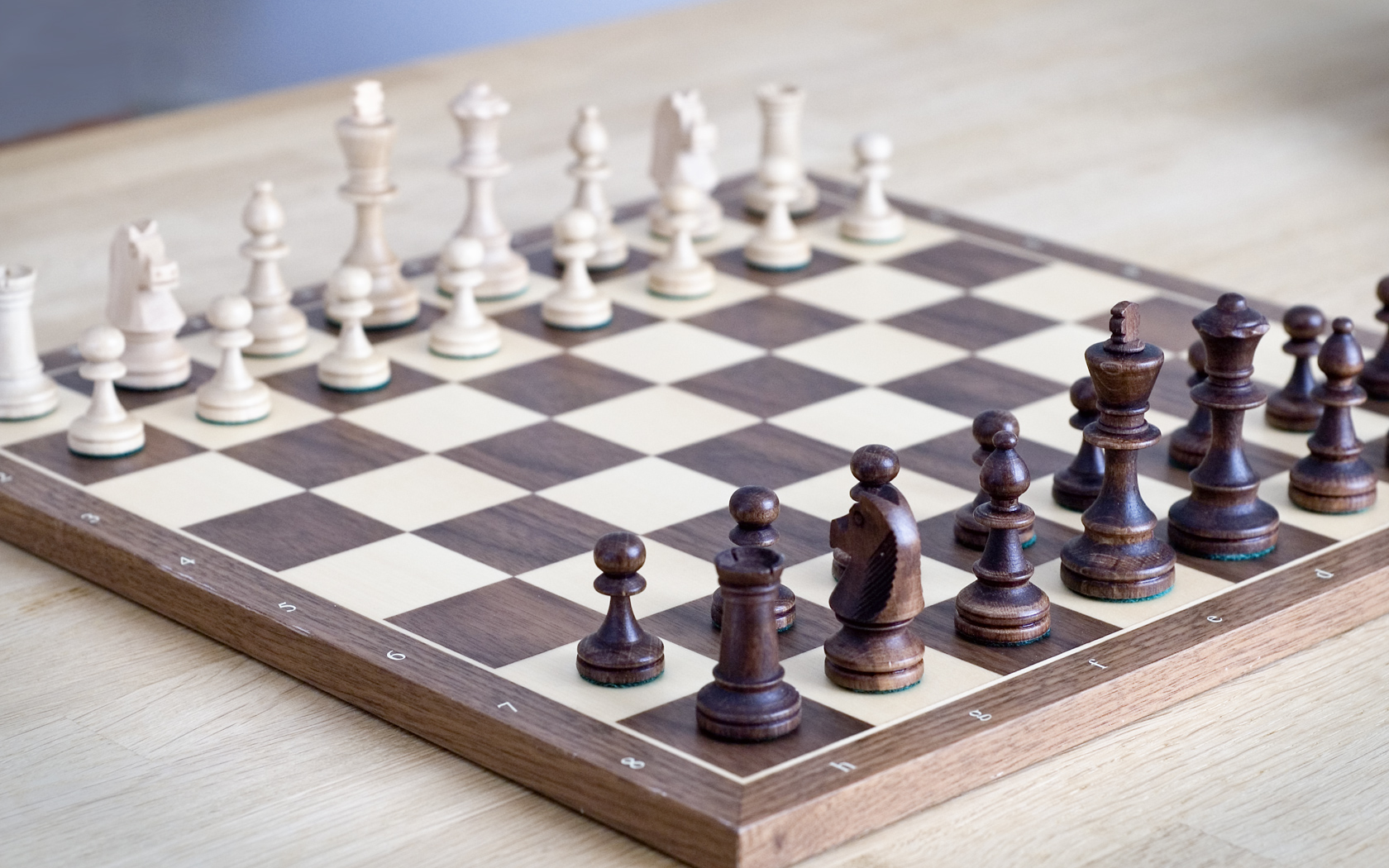

Why strategy games fit modern families
A strategy game is defined by the weight of player choice. Unlike games of pure chance, these titles rely on uncoerced decision-making where planning and resource management determine the winner. This structure makes them ideal for family game nights, as they offer meaningful engagement without requiring decades of hobbyist experience.
In 2026, the trend in family strategy games has shifted toward accessibility. Modern titles streamline complex mechanics found in older classics, allowing parents and children to play together without steep learning curves. Games like Ticket to Ride and Carcassonne remain staples because they balance simple rules with strategic depth, ensuring that every player feels their decisions matter.
These games foster collaboration and critical thinking. Instead of relying on dice rolls to dictate fate, families engage in tactical planning, adapting to opponents' moves in real-time. This dynamic creates a shared experience that is both competitive and educational, helping players develop problem-solving skills while enjoying quality time together.
7 Strategy Games That Are Dominating Family Game Nights in 2026
Finding the perfect strategy games for family game nights in 2026 means balancing engaging mechanics with accessibility for all ages. These seven titles deliver deep strategic gameplay without overwhelming complexity, ensuring everyone from kids to grandparents can compete and connect.
-

Ticket to Ride Next Gen
Ticket to Ride Next Gen revitalizes the classic route-building experience with a sleek digital board that replaces physical cards and trains. This hybrid approach offers a streamlined setup, making it ideal for families seeking quick, engaging strategy games without the clutter of traditional components. The electronic display tracks scores and objectives dynamically, allowing players to focus entirely on tactical decision-making and network expansion across North America. -
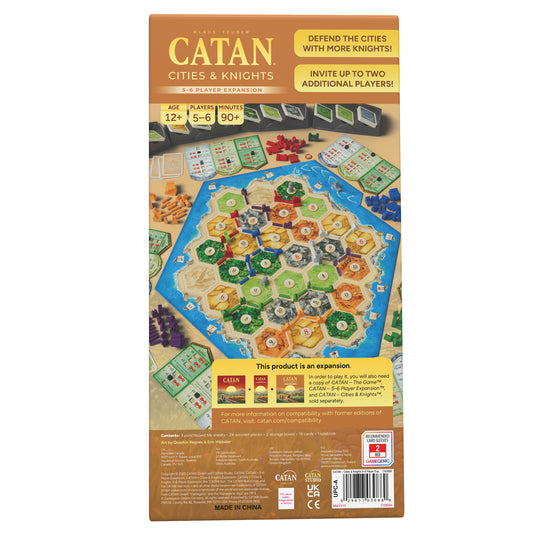
Catan Cities and Knights
Catan Cities and Knights expands the base game with a robust development track and specialized victory points. This version introduces knights to defend against robber attacks and cities that yield higher resource returns, adding layers of strategic depth. It is perfect for families ready to move beyond simple resource trading into complex negotiations and long-term planning, ensuring the strategy games remain challenging and replayable for experienced players. -
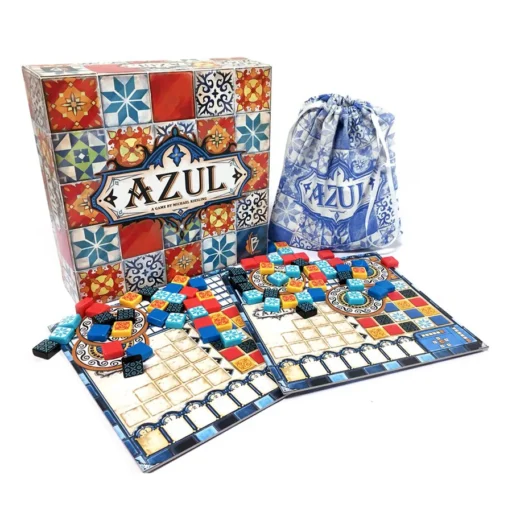
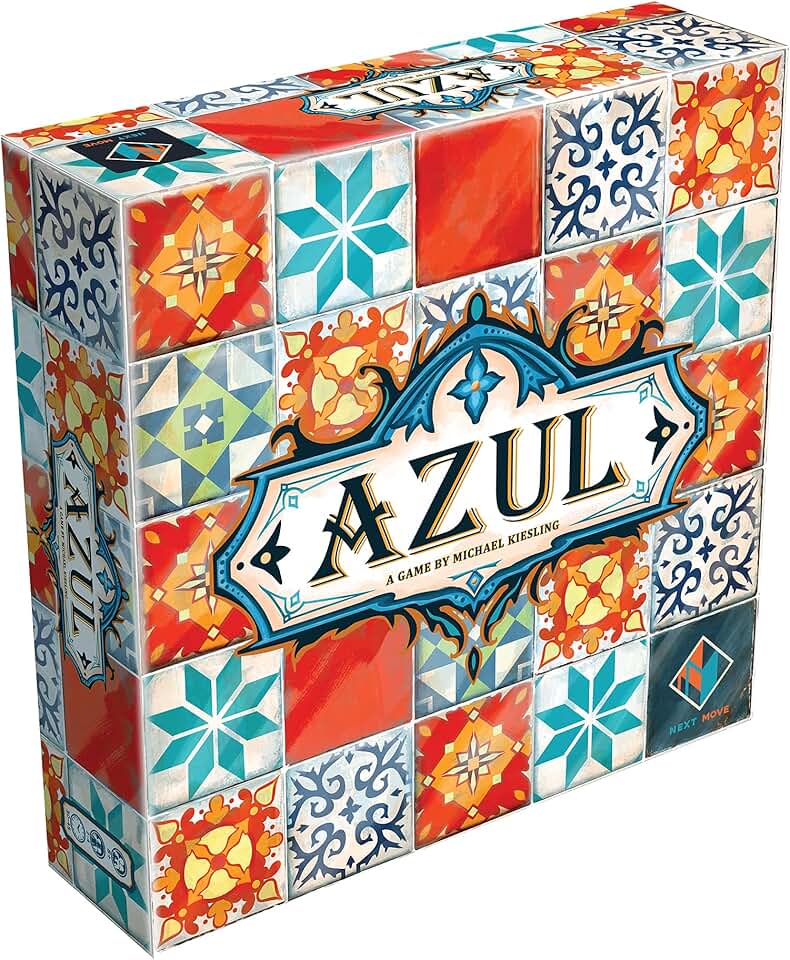
Azul
Azul challenges players to draft colorful tiles and arrange them on their personal boards to create the most aesthetically pleasing patterns. This abstract strategy game requires careful planning and anticipation of opponents' moves, as drafting too many tiles can result in penalties. Its simple rules make it accessible for younger family members, while the tactical depth keeps adults engaged, establishing it as a staple among modern strategy games. -

Wingspan
Wingspan immerses players in the world of ornithology, where they attract birds to their wildlife preserves using engine-building mechanics. Each bird card offers unique abilities that synergize with others, encouraging players to develop efficient resource cycles. The game’s beautiful artwork and educational theme make it a standout choice for families who enjoy strategy games that combine thoughtful planning with a relaxing, nature-inspired atmosphere. -
Wonders Duel
Wonders Duel transforms the original cooperative card drafting experience into a tense two-player head-to-head battle. Players build ancient civilizations while simultaneously constructing military units to compete against their opponent. This streamlined version removes the randomness of other players, focusing entirely on direct competition and strategic balance between scientific, civic, and military advancements, making it an excellent choice for families looking for intense strategy games. -

Scythe
Scythe delivers a heavy strategy game experience where players expand their territory on a war-torn European-inspired map. The unique blend of engine building and area control requires careful planning to manage resources and deploy mechanical mechs. Its accessible ruleset allows families to grasp the core mechanics quickly, making it a standout choice for groups seeking depth without overwhelming complexity during weekend gatherings. -
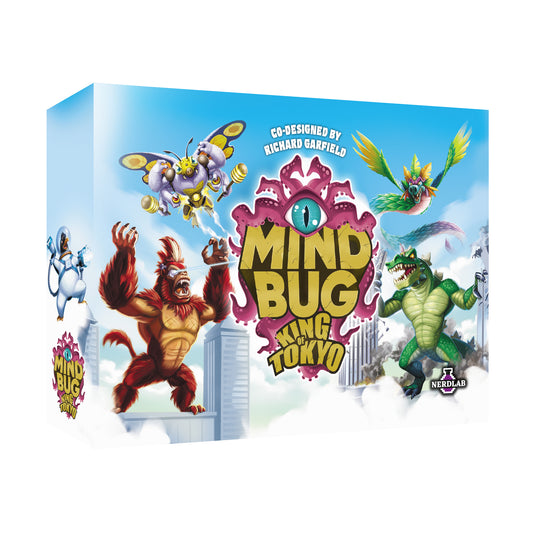
King of Tokyo
King of Tokyo offers fast-paced dice-rolling action where players embody giant monsters battling for city dominance. The strategy lies in timing attacks, healing, and upgrading abilities to outlast opponents. Its quick setup and short playtime make it perfect for family game nights, providing accessible tension and laughter as players manage the chaotic struggle for the throne of Tokyo.
How to choose your next strategy game
Selecting the right strategy games for your family depends on two practical factors: how many people are playing and how much time you have. A game that works for a duo can feel tedious with six players, just as a deep war simulation might overwhelm younger kids looking for quick fun. Start by matching the player count to your typical gathering size, then filter by complexity.
The table below compares seven popular titles based on player capacity, average playtime, and cognitive load. Use this as a quick reference to find a match for your group's preferences.
| Game | Players | Playtime | Complexity |
|---|---|---|---|
| Ticket to Ride | 2-5 | 30-60 min | Easy |
| Catan | 3-4 | 60-90 min | Medium |
| Azul | 2-4 | 30-45 min | Easy |
| Pandemic | 2-4 | 45 min | Medium |
| 7 Wonders | 2-7 | 30 min | Medium |
| Twilight Imperium | 3-6 | 4+ hours | Hard |
| Wingspan | 1-5 | 40-70 min | Medium |
If you are new to the genre, start with Ticket to Ride or Azul. These strategy games require minimal explanation and keep everyone engaged without long downtime. For groups ready for more interaction, Catan and Pandemic introduce negotiation and cooperative mechanics that spark conversation. Save complex titles like Twilight Imperium for special occasions when you have several hours to spare.


As an Amazon Associate, we may earn from qualifying purchases.
Common questions about family strategy games
What makes a strategy game good for families?
Family-friendly strategy games prioritize clear rules and cooperative or low-conflict mechanics over complex resource management. Titles like Ticket to Ride or Carcassonne focus on route-building and tile placement, allowing players of different ages to contribute meaningfully without being overwhelmed by steep learning curves. This accessibility ensures that strategy remains a shared activity rather than a solo challenge.
Are strategy games suitable for young children?
Yes, many strategy games are designed for ages 6 and up, focusing on pattern recognition and simple planning. Games like King of Tokyo or Sushi Go! use quick rounds and intuitive themes to keep younger players engaged. These titles introduce core strategic concepts like risk assessment and turn order in a format that feels more like play than work.
How do I choose the right strategy game for my group?
Match the game’s player count and playtime to your family’s typical game night. If you have four players, look for strategy games that scale well without slowing down the turn order. For mixed ages, choose games with minimal reading and visual cues, such as Azul or Patchwork, which rely on spatial reasoning rather than text-heavy rules.
No comments yet. Be the first to share your thoughts!