


What are cooperative board games?
What are cooperative board games?
Cooperative board games are a unique and engaging genre of tabletop games that emphasize teamwork, communication, and collaboration among players. Unlike competitive games, where individuals or teams strive to outperform each other, cooperative games require players to work together towards a common goal. In these games, everyone wins or loses as a team, fostering a sense of camaraderie and shared accomplishment.
These games often feature a variety of challenges, obstacles, or puzzles that the players must overcome by combining their skills, knowledge, and resources. Players may assume different roles or characters, each with their own unique abilities, which encourages them to rely on one another and appreciate the strengths of their teammates. This dynamic creates an environment where players must strategize, communicate, and adapt to changing circumstances in order to achieve success.

Cooperative board games come in a wide range of themes, complexities, and playstyles, catering to diverse interests and age groups. From family-friendly games that teach valuable lessons about teamwork and problem-solving to complex, immersive experiences that challenge even the most seasoned gamers, there is a cooperative game for everyone.
Examples of popular cooperative board games include Pandemic, Forbidden Island, and Gloomhaven.
In summary, cooperative board games are an exciting and inclusive way to enjoy tabletop gaming while fostering a spirit of teamwork and collaboration among players. Whether you're looking for a fun activity for your family or a team-building exercise for your workplace, cooperative games offer a unique and rewarding experience that everyone can enjoy.
Why are cooperative board games great for team building?
Why are cooperative board games great for team building?
Cooperative board games are a great way to build teamwork skills and foster a sense of collaboration among players. Unlike competitive games, where players are pitted against each other, cooperative games require players to work together towards a common goal. This means that players must communicate effectively, strategize together, and make decisions as a team.
Cooperative board games are particularly effective for team building because they create a safe space for players to practice these skills in a low-pressure environment. Players can experiment with different strategies and learn from their mistakes without fear of losing or letting down their team.
Cooperative board games also encourage players to think creatively and outside of the box. In order to succeed, players must often come up with innovative solutions to challenges that arise during the game. This type of thinking can be applied to real-life situations, where creativity and adaptability are highly valued skills.
Overall, cooperative board games are a fun and engaging way to build teamwork skills and promote collaboration among players. Whether you're playing with coworkers, friends, or family members, these games offer a unique opportunity to work together towards a common goal and strengthen your relationships in the process.

Top cooperative board games for team building
Top cooperative board games for team building
Cooperative board games are a great way to build teamwork and collaboration skills. Here are some of the best cooperative board games for team building:
1. Pandemic
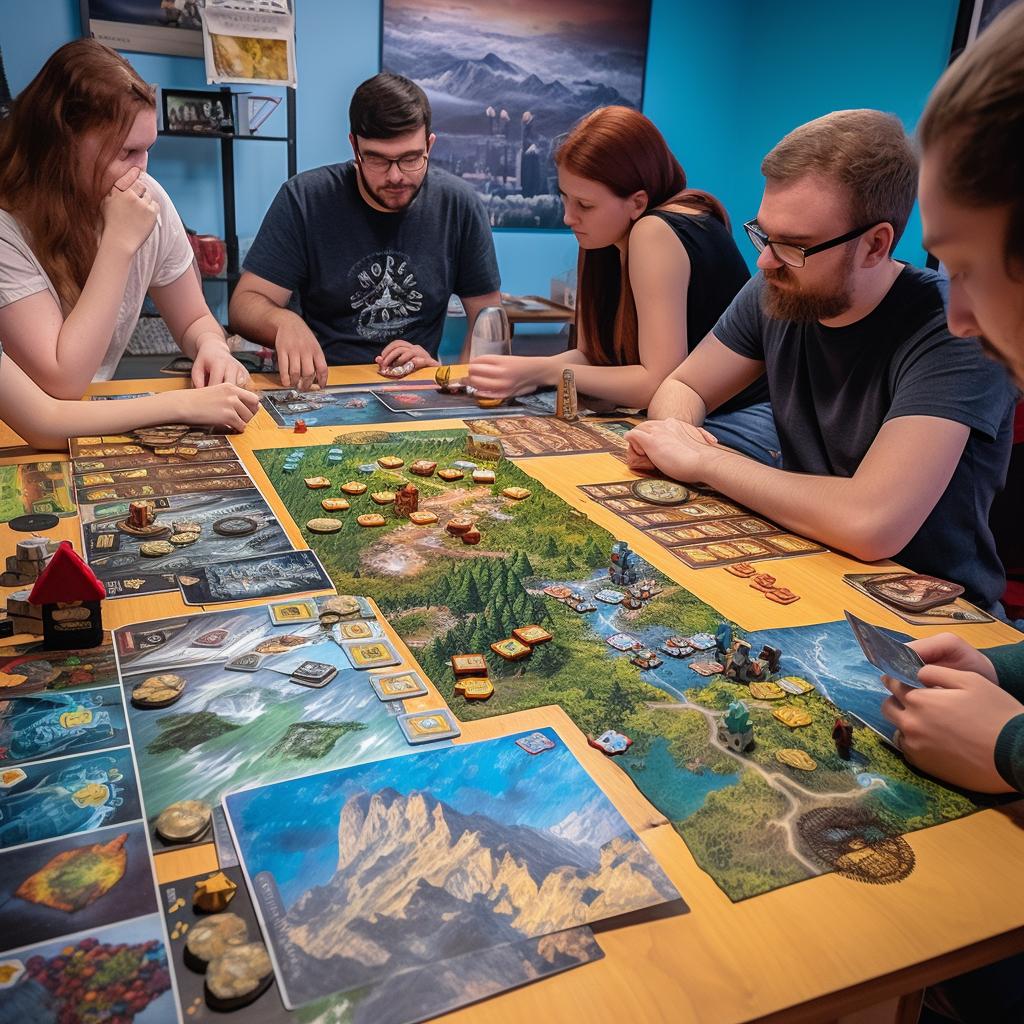
In Pandemic, players work together to stop the spread of deadly diseases across the globe. Each player takes on a different role with unique abilities, and they must work together to find cures before time runs out. This game requires communication, strategy, and teamwork to succeed.
2. Forbidden Island
In Forbidden Island, players work together to collect treasures and escape from a sinking island. Each player has a specific role with unique abilities, and they must work together to keep the island from sinking while collecting treasures and making their escape. This game requires quick thinking, communication, and collaboration to succeed.
3. Mysterium
In Mysterium, players work together to solve a murder mystery. One player takes on the role of a ghost who can only communicate through visions, while the other players are mediums who must interpret the visions to solve the mystery. This game requires communication, intuition, and teamwork to succeed.
4. Betrayal at Baldur's Gate
In Betrayal at Baldur's Gate, players work together to explore a haunted city and complete quests. However, one player will eventually turn traitor and work against the rest of the team. This game requires communication, strategy, and teamwork to succeed, as well as the ability to adapt to changing circumstances.
5. Spirit Island
In Spirit Island, players work together to defend an island from colonizers. Each player takes on the role of a spirit with unique abilities, and they must work together to drive off the invaders while protecting the island's inhabitants. This game requires communication, strategy, and teamwork to succeed.
These cooperative board games are just a few examples of how games can be used to build teamwork and collaboration skills. By working together towards a common goal, players can learn to communicate effectively, strategize, and adapt to changing circumstances.
How to maximize team building with cooperative board games
Cooperative board games are a great way to build teamwork and collaboration skills, but to truly maximize the team building potential, it's important to approach the game with intention. Here are some tips on how to make the most of your cooperative board game experience:
1. Assign roles: Depending on the game, it can be helpful to assign specific roles to each player. This not only helps with organization, but also encourages players to take ownership of their role and work together towards a common goal.
2. Communicate effectively: Communication is key in any team building activity, and cooperative board games are no exception. Encourage players to communicate openly and frequently, sharing their thoughts and ideas with the group.
3. Embrace failure: In cooperative board games, it's not uncommon to fail a few times before finally achieving success. Rather than getting discouraged, use these failures as opportunities to learn and grow as a team.
4. Debrief afterwards: After the game is over, take some time to debrief as a group. Discuss what worked well, what could have been improved, and how you can apply these lessons to real-life situations.
By approaching cooperative board games with intention and a focus on teamwork, you can create a fun and engaging team building experience that will benefit your group both in and out of the game.
Benefits of playing cooperative board games for team building
Playing cooperative board games can have numerous benefits for team building. Here are some of the key benefits:
- Encourages communication: Cooperative games require players to work together towards a common goal, which means they need to communicate effectively to succeed. This can help team members improve their communication skills and learn how to listen to each other.
- Promotes teamwork: Cooperative games are designed to be played as a team, which means players need to work together and rely on each other's strengths to win. This can help team members learn how to collaborate and build trust with each other.
- Develops problem-solving skills: Cooperative games often require players to solve problems together, which can help team members develop their problem-solving skills and learn how to think creatively.
- Builds leadership skills: Cooperative games can provide opportunities for team members to take on leadership roles and practice their decision-making skills.
- Boosts morale: Playing games together can be a fun and engaging way to build camaraderie and boost team morale.
Overall, playing cooperative board games can be a valuable tool for team building. By encouraging communication, promoting teamwork, developing problem-solving skills, building leadership skills, and boosting morale, these games can help teams work more effectively together and achieve their goals.

Conclusion
In conclusion, cooperative board games are an excellent way to foster team building and enhance communication, collaboration, and problem-solving skills among team members. By working together towards a common goal, players can learn to appreciate each other's strengths and weaknesses, and develop a better understanding of how to effectively work as a team.
Throughout this blog post, we have explored the various aspects of cooperative board games, from their unique mechanics to the benefits they offer for team building. We have also shared our top picks for cooperative board games that are perfect for team building exercises, such as Pandemic, Forbidden Island, and Flash Point: Fire Rescue. These games not only provide a fun and engaging experience but also offer valuable lessons in teamwork and cooperation.
To maximize the team building potential of cooperative board games, it's essential to create a supportive and inclusive environment where everyone feels comfortable sharing their ideas and contributing to the team's success. Encourage open communication, celebrate successes, and learn from failures to foster a positive and collaborative atmosphere.
Ultimately, the benefits of playing cooperative board games for team building are numerous, from improved communication and collaboration to increased trust and camaraderie among team members. So, gather your team, pick up one of these fantastic games, and start building stronger bonds today!

No comments yet. Be the first to share your thoughts!