

Introduction: Why Board Games are Great for Science Enthusiasts
Welcome to the world of science-themed board games! As a parent and a board game enthusiast, I can't help but get excited about games that not only entertain but also educate and inspire curiosity. Science enthusiasts, young and old, can find a whole new level of enjoyment and learning through board games that focus on various scientific concepts. In this blog post, we will explore some of the best board games that will ignite your inner Einstein and provide hours of fun and learning for the whole family.
Board games offer a unique way to engage with scientific concepts in a hands-on, interactive manner. They help players develop critical thinking, problem-solving, and strategic planning skills while also teaching them about the wonders of science. Whether you're a biology buff, an ecology enthusiast, or a space science fan, there's a board game out there that will cater to your interests and spark your curiosity.
Playing science-themed board games with your children can also be a fantastic way to bond with them and nurture their love for learning. These games can help kids develop a deeper understanding of complex scientific concepts, making them more likely to pursue careers in STEM fields in the future. Plus, they're a great way to spend quality time together as a family, away from screens and electronic devices.
So, without further ado, let's dive into the world of science-themed board games and discover some of the best options available for you and your family. Get ready to ignite your inner Einstein and embark on a journey of scientific discovery!
1. Pandemic: A Game of Saving the World from Disease
1. Pandemic: A Game of Saving the World from Disease
For those who love a good challenge and have an interest in public health, Pandemic is the perfect board game to ignite your inner Einstein. In this cooperative game, players work together as a team of specialists, each with unique abilities, to save the world from four deadly diseases that are spreading across the globe. 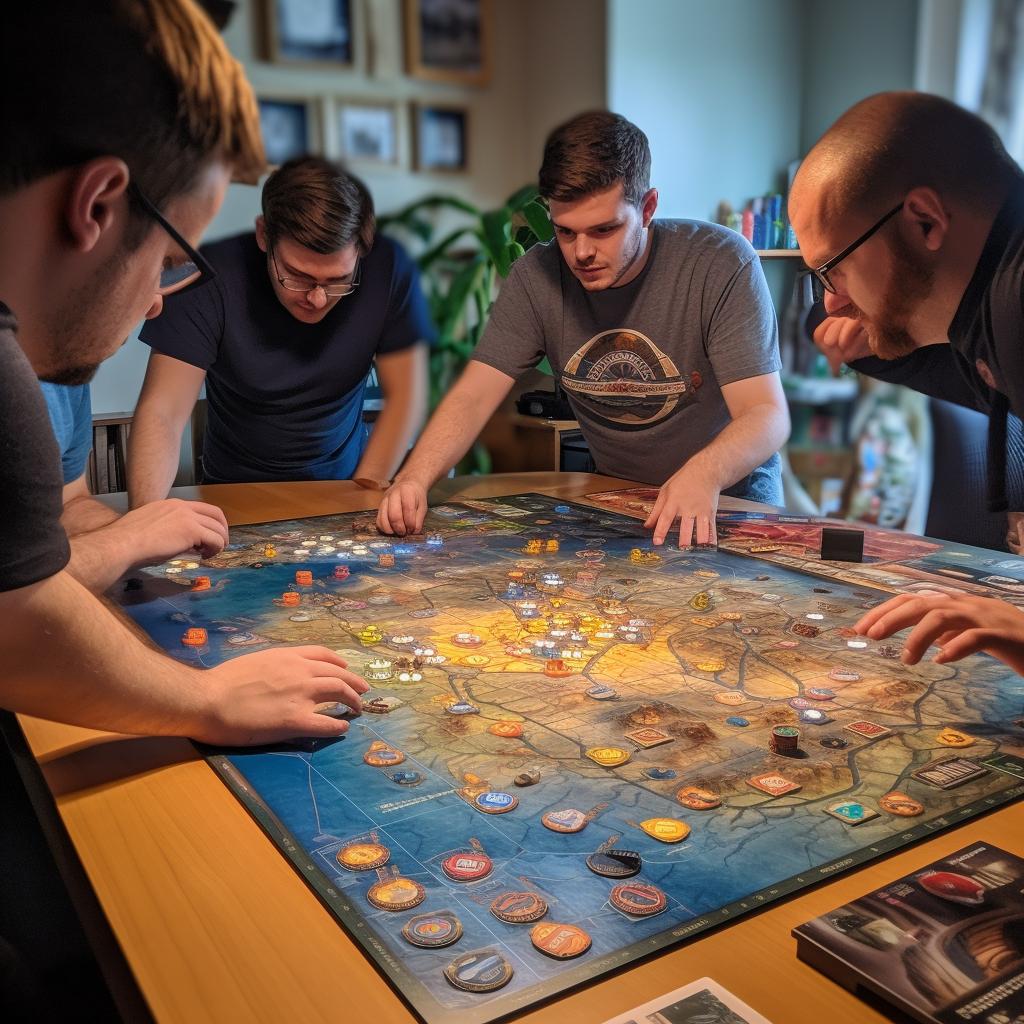
Designed by Matt Leacock, Pandemic offers a thrilling and educational experience as players must strategize, communicate, and make tough decisions to prevent the diseases from causing global devastation. The game board features a world map with interconnected cities, and players must travel between these locations to treat infections, build research stations, and discover cures for the diseases before they spiral out of control.
What makes Pandemic an excellent choice for science enthusiasts is its focus on real-world problem-solving and critical thinking skills. Players must carefully plan their moves and work together to allocate resources and manage the spread of the diseases. The game also highlights the importance of collaboration and communication in the field of science, as players must rely on each other's expertise to succeed.
With multiple expansions and variations available, such as Pandemic: Legacy and Pandemic: On the Brink, there are plenty of opportunities to dive deeper into the world of disease control and prevention. So, gather your team of experts, and embark on a mission to save humanity in this thrilling and educational board game.
2. Photosynthesis: A Game of Strategy and Ecology
2. Photosynthesis: A Game of Strategy and Ecology
For those who have a passion for the environment and the natural world, Photosynthesis is a must-play board game. This beautifully designed game combines strategy and ecology, challenging players to grow their trees in a forest ecosystem while competing for sunlight and resources. 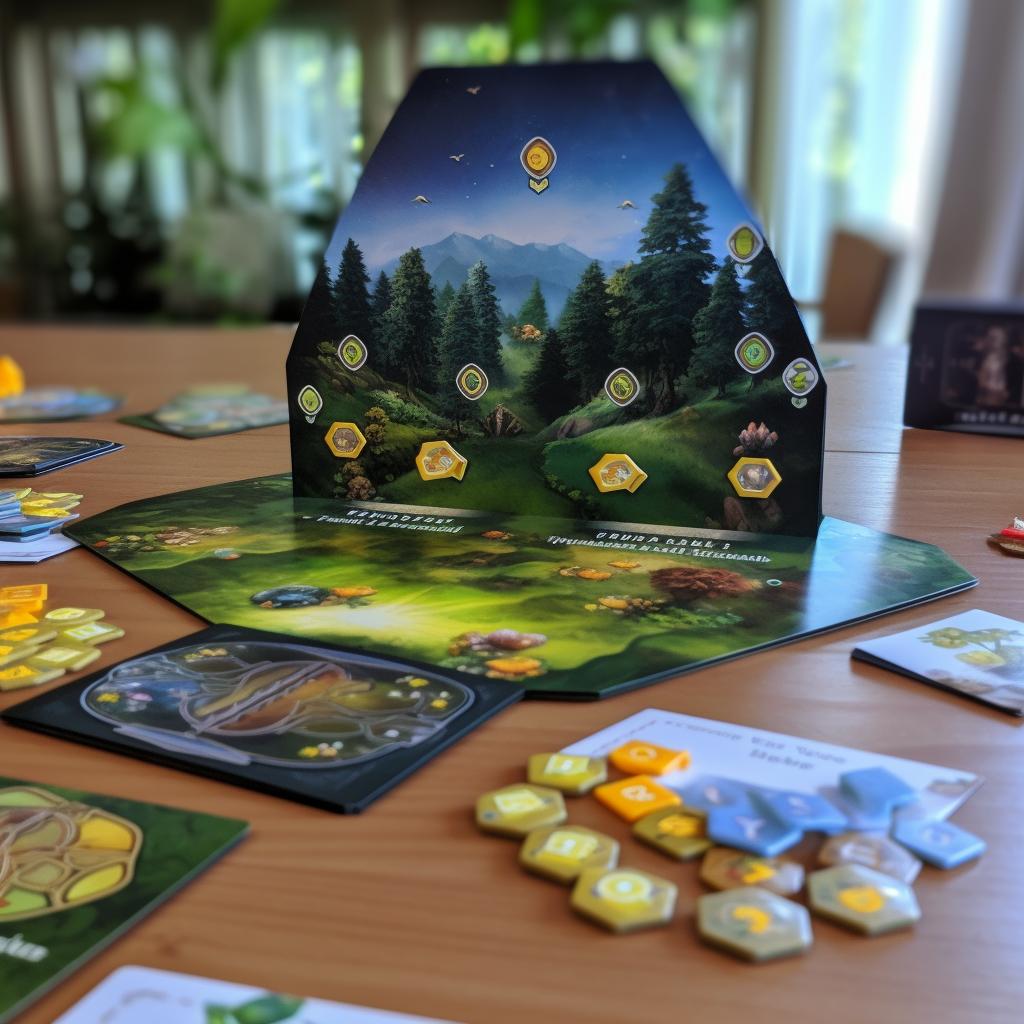
In Photosynthesis, players take on the role of different tree species, each with its own unique characteristics and abilities. The goal is to collect sunlight points by strategically planting and growing trees on the game board. As the sun moves around the board, players must carefully consider the shadows cast by their trees and those of their opponents, as this will affect the amount of sunlight each tree receives. The more sunlight a tree gets, the more energy it can produce, allowing players to grow their trees or plant new ones.
But be warned, the forest ecosystem is a delicate balance, and players must also manage the process of tree aging and death. As trees grow and die, they release nutrients back into the soil, providing opportunities for new trees to sprout. This cycle of growth, competition, and decay adds a fascinating layer of complexity to the game, making it an engaging and educational experience for science enthusiasts of all ages.
Not only does Photosynthesis teach players about the importance of sunlight and the role it plays in the growth and survival of plants, but it also encourages strategic thinking and resource management skills. With its stunning artwork and immersive gameplay, Photosynthesis is a perfect choice for families and friends looking to explore the wonders of nature while enjoying a challenging and entertaining board game experience.
3. Evolution: A Game of Adaptation and Survival
3. Evolution: A Game of Adaptation and Survival
For those who are fascinated by the natural world and the process of evolution, Evolution is the perfect board game to ignite your inner Darwin. This game, designed by Dominic Crapuchettes, Dmitry Knorre, and Sergey Machin, allows players to experience the ever-changing world of species adaptation and survival. With its beautiful artwork and engaging gameplay, Evolution is sure to captivate both science enthusiasts and casual gamers alike.
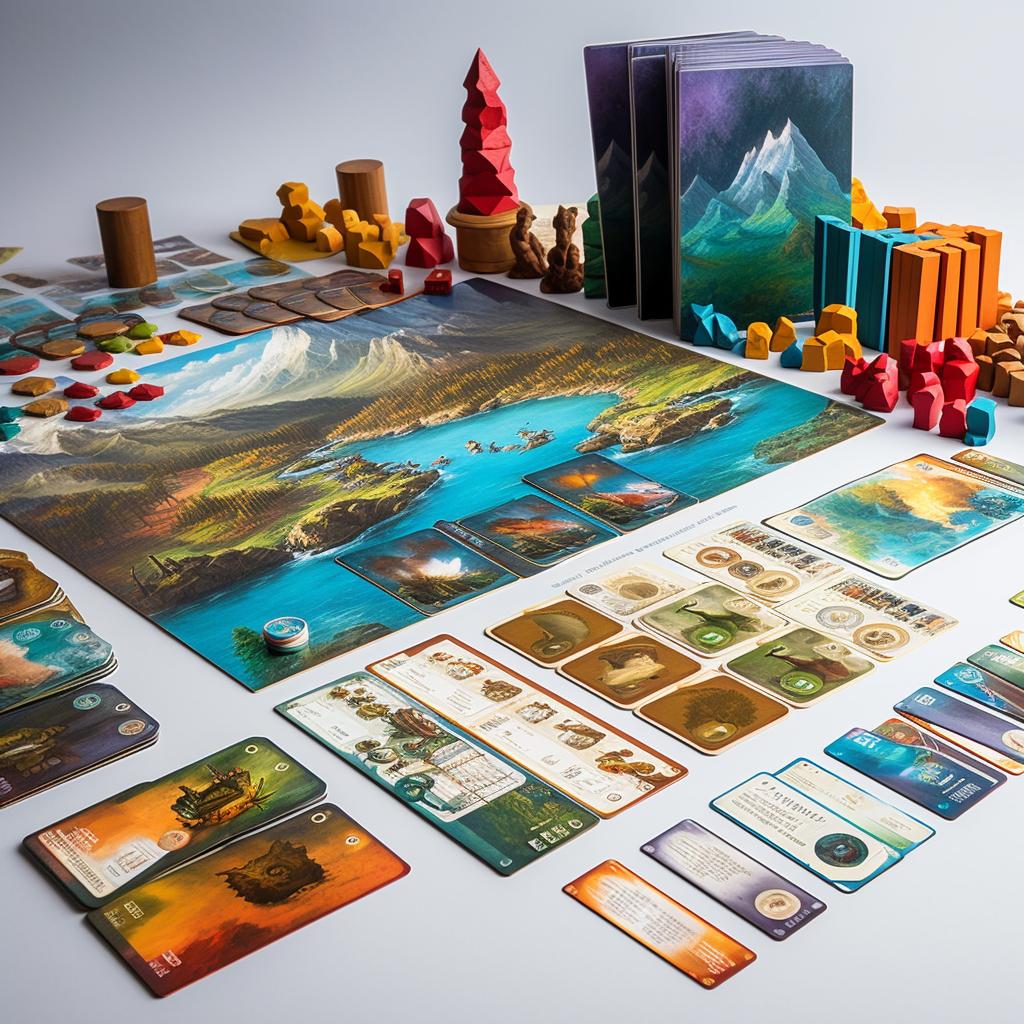
In Evolution, players take on the role of various species, each with unique traits that help them survive in a constantly changing environment. Throughout the game, players will need to adapt their species by acquiring new traits, such as a long neck for reaching food or defensive horns to fend off predators. The game is played over multiple rounds, with each round consisting of four phases: development, feeding, reproduction, and extinction.
During the development phase, players draw cards representing various traits and allocate them to their species. These traits can provide advantages in gathering food, protecting against predators, or even cooperating with other species. The feeding phase is where players must gather food from a shared watering hole, with each species requiring a specific amount of food to survive. In the reproduction phase, well-fed species will multiply, increasing their presence on the board. However, if a species cannot gather enough food or is targeted by predators, it may face extinction in the final phase.
Evolution is not only a fun and strategic game, but it also serves as an educational tool for understanding the principles of natural selection and adaptation. By playing this game, players can gain a deeper appreciation for the complex and fascinating process of evolution that has shaped our planet's diverse ecosystems.

4. Cytosis: A Game of Cell Biology and Resource Management
4. Cytosis: A Game of Cell Biology and Resource Management
For those who are fascinated by the intricate workings of cells and the wonders of biology, Cytosis is the perfect board game to ignite your inner scientist. This engaging and educational game takes players on a journey through the microscopic world of a human cell, where they must strategically manage resources and compete to build the most efficient and effective cellular components. 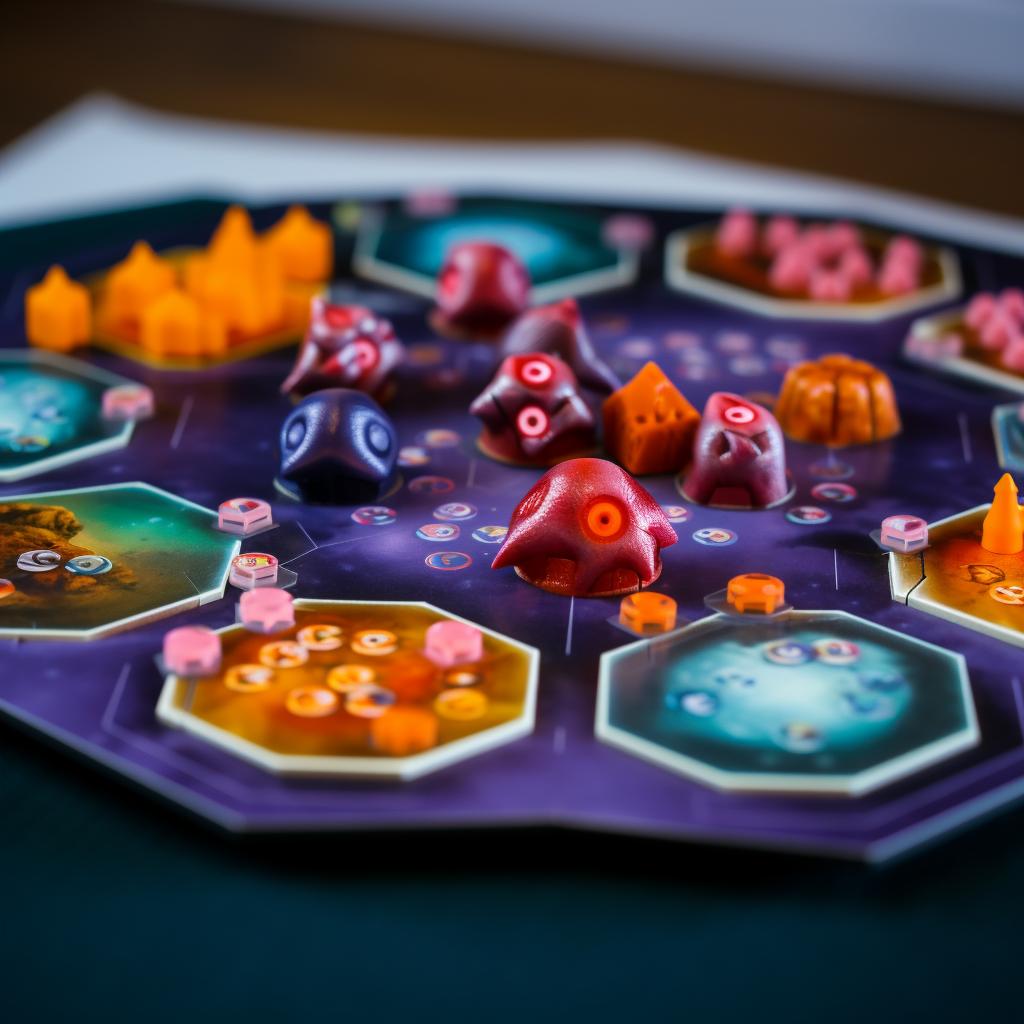
In Cytosis, players take on the role of cellular components such as enzymes, receptors, and organelles, working together to build proteins, hormones, and other essential molecules. The game is designed to be both fun and scientifically accurate, with gameplay mechanics that mirror real-life cellular processes. As players navigate the complex world of the cell, they will learn about various cellular structures and their functions, as well as the importance of resource management and strategy in maintaining a healthy and functioning cell.
One of the key features of Cytosis is its ability to cater to a wide range of ages and skill levels. The game includes two modes of play: a basic version for younger players or those new to board games, and an advanced version for more experienced gamers or science enthusiasts. This makes it an ideal choice for families, classrooms, or game nights with friends who share a passion for science.
Not only does Cytosis provide an entertaining and challenging gaming experience, but it also serves as a valuable educational tool. By immersing players in the world of cell biology, the game helps to foster a deeper understanding and appreciation for the complex processes that occur within our own bodies every day. So, if you're ready to dive into the microscopic world of cells and unleash your inner biologist, Cytosis is the game for you!
5. Terraforming Mars: A Game of Planetary Engineering and Exploration
For those who dream of exploring the cosmos and transforming distant planets into habitable environments, Terraforming Mars is the perfect board game to ignite your inner Einstein. In this game, players take on the role of corporations working together to terraform the red planet, Mars, by raising the temperature, creating oceans, and planting forests. The ultimate goal is to make Mars habitable for human life while competing to earn the most victory points.
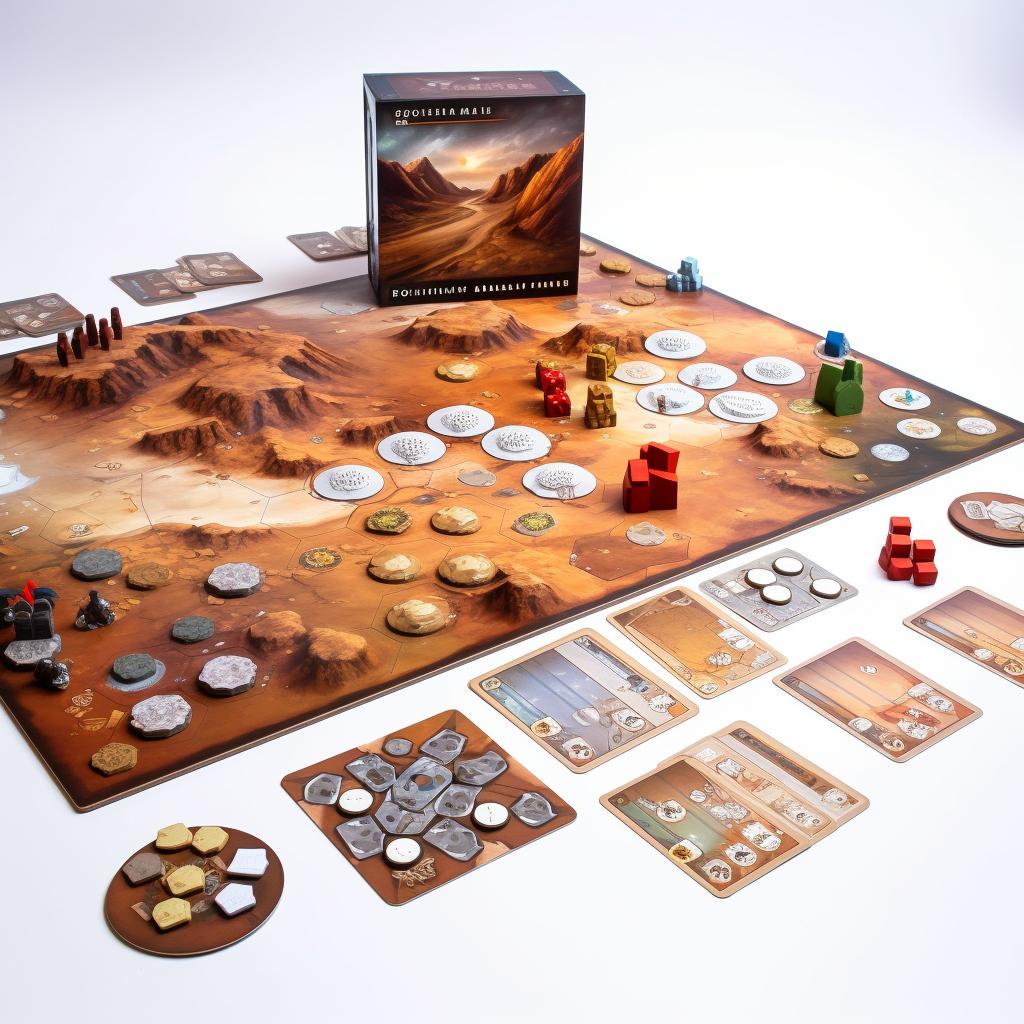
Designed by Jacob Fryxelius, Terraforming Mars is a strategic game that combines resource management, tile placement, and card drafting mechanics. Players must carefully manage their resources, such as money, steel, titanium, plants, energy, and heat, to execute various projects that contribute to the terraforming process. The game features over 200 unique project cards, ensuring that each playthrough is a fresh and exciting experience.
One of the most engaging aspects of Terraforming Mars is the scientific accuracy of the game's mechanics and theme. The game incorporates real-life concepts, such as the greenhouse effect, the importance of water in supporting life, and the challenges of establishing a sustainable ecosystem on a barren planet. This makes Terraforming Mars not only a fun and competitive game but also an excellent educational tool for players interested in space exploration and planetary science.
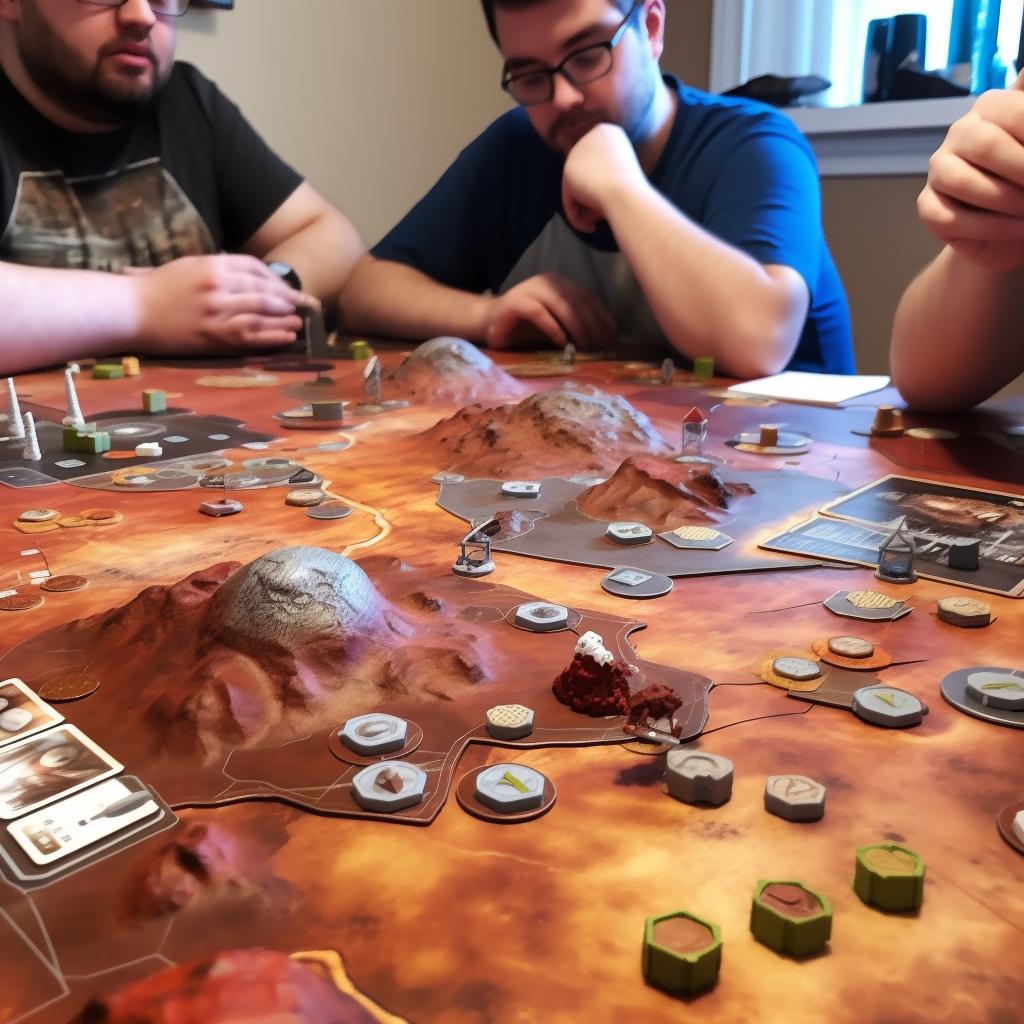
Terraforming Mars is suitable for ages 12 and up and can be played by 1 to 5 players. The game takes approximately 90 to 120 minutes to complete, providing an immersive and challenging experience for science enthusiasts and board game lovers alike. So, gather your friends and family, put on your space helmets, and embark on a thrilling journey to transform Mars into a thriving new home for humanity!
Conclusion: Get Your Science On with These Board Games
In conclusion, board games provide a fantastic opportunity for science enthusiasts to dive into their favorite subjects while enjoying quality time with friends and family. The games we've discussed in this post - Pandemic, Photosynthesis, Evolution, Cytosis, and Terraforming Mars - each offer unique and engaging ways to explore various scientific concepts and ignite your inner Einstein.
Not only do these games encourage critical thinking and strategic planning, but they also inspire curiosity and a deeper appreciation for the wonders of science. Whether you're a biology buff, an ecology enthusiast, or an aspiring astronaut, there's a game on this list that will spark your interest and challenge your intellect.
Moreover, these board games can serve as excellent educational tools for children, helping them develop a love for science and an understanding of its real-world applications. By playing these games, kids can learn about the importance of collaboration, resource management, and adaptation, all while having fun and bonding with their loved ones.
So, gather your friends and family, and embark on a thrilling journey of scientific discovery with these fantastic board games. As you strategize, compete, and collaborate, you'll not only be honing your skills but also fostering a love for science that will last a lifetime. Don't forget to share your experiences and favorite moments with us in the comments section below. Happy gaming!

No comments yet. Be the first to share your thoughts!