
1. The Benefits of Board Games for Preschoolers
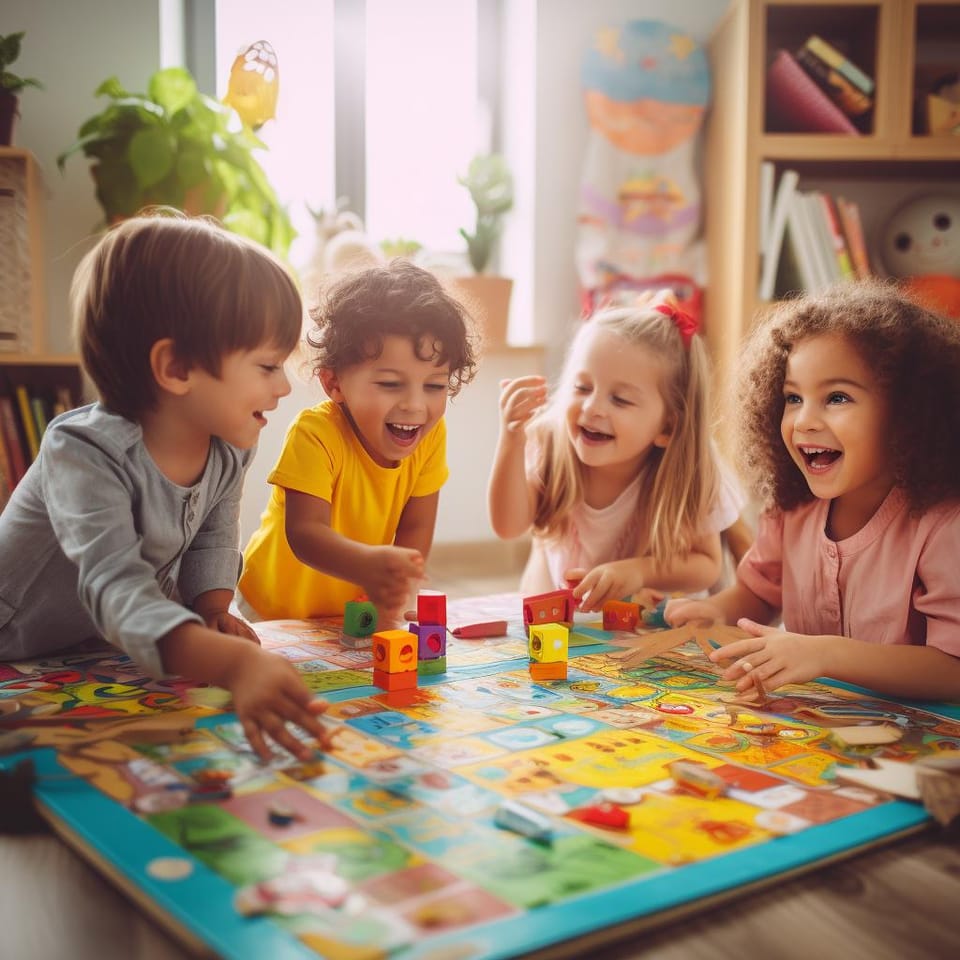
Board games are not just a source of entertainment; they also offer a plethora of benefits for preschoolers. In this age of technology, it's essential to encourage young children to engage in activities that promote cognitive, social, and emotional development. The best games for preschoolers are those that combine learning with fun, making them perfect tools for early childhood education. Let's explore some of the key benefits of incorporating board games into your preschooler's routine.
Cognitive Development: Educational board games help preschoolers develop essential cognitive skills such as problem-solving, critical thinking, and memory. By playing games that require them to strategize, make decisions, and remember information, children can enhance their mental abilities while having fun.
Social Skills: Board games are an excellent way for preschoolers to learn how to interact with others. They teach children about taking turns, sharing, and cooperating with their peers. Additionally, games that involve teamwork can help kids develop empathy and understand the importance of working together to achieve a common goal.
Language Development: English learning games for kids provide an engaging and interactive way for preschoolers to improve their vocabulary and language skills. By playing games that involve reading, listening, and speaking, children can practice and enhance their English language abilities in a fun and relaxed environment.
Emotional Development: Board games can help preschoolers learn how to manage their emotions. Losing a game can be disappointing, but it teaches children about resilience and the importance of trying again. On the other hand, winning a game can boost their self-esteem and confidence.
Motor Skills: Many board games require preschoolers to use their fine motor skills, such as picking up small pieces or moving tokens on a game board. These activities can help improve hand-eye coordination and dexterity, which are essential for their overall development.
Family Bonding: Playing board games with your preschooler is a great way to spend quality time together as a family. It encourages communication and strengthens the bond between parents and children, creating lasting memories and fostering a love for learning through play.
In conclusion, board games offer numerous benefits for preschoolers, making them an essential part of their learning journey. From educational games that promote cognitive development to fun games that teach social skills, there's a perfect board game for every young child. So, explore our list of top board games for kids and find the ideal game to engage and educate your preschooler.
2. Top Educational Board Games for Preschoolers
Now that we've discussed the benefits of board games for preschoolers, let's dive into our list of the top educational board games that cater to their unique learning needs. These games are designed to be engaging, age-appropriate, and educational, making them perfect for early childhood development.
1. Zingo!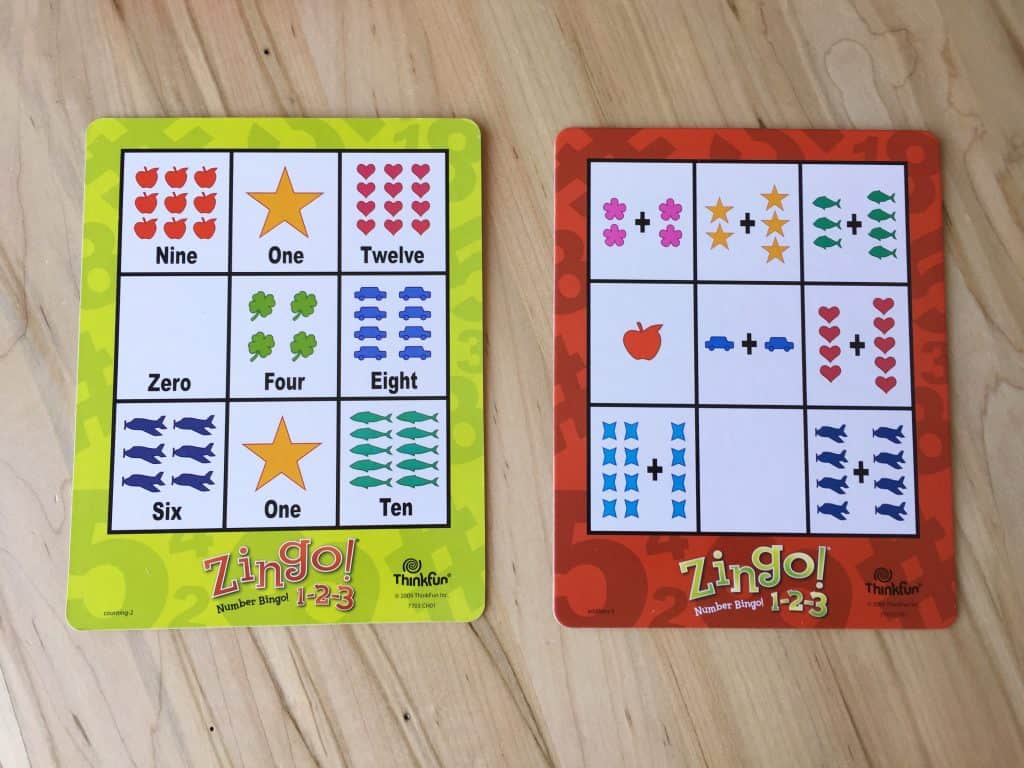
Zingo! is a fast-paced, fun learning game for kids that helps them develop their vocabulary and reading skills. This game is essentially a twist on the classic Bingo, where players match pictures and words on their challenge cards. The game is designed for children aged 4 and up and can be played with 2-6 players, making it perfect for family game nights or preschooler learning activities.
2. The Sneaky, Snacky Squirrel Game
This colorful and engaging board game is designed to teach preschoolers about colors, counting, and fine motor skills. Players take turns spinning the spinner and using the squirrel-shaped tweezers to pick up matching colored acorns. The first player to fill their log with acorns wins the game. The Sneaky, Snacky Squirrel Game is suitable for children aged 3 and up and can be played by 2-4 players.
3. Hoot Owl Hoot!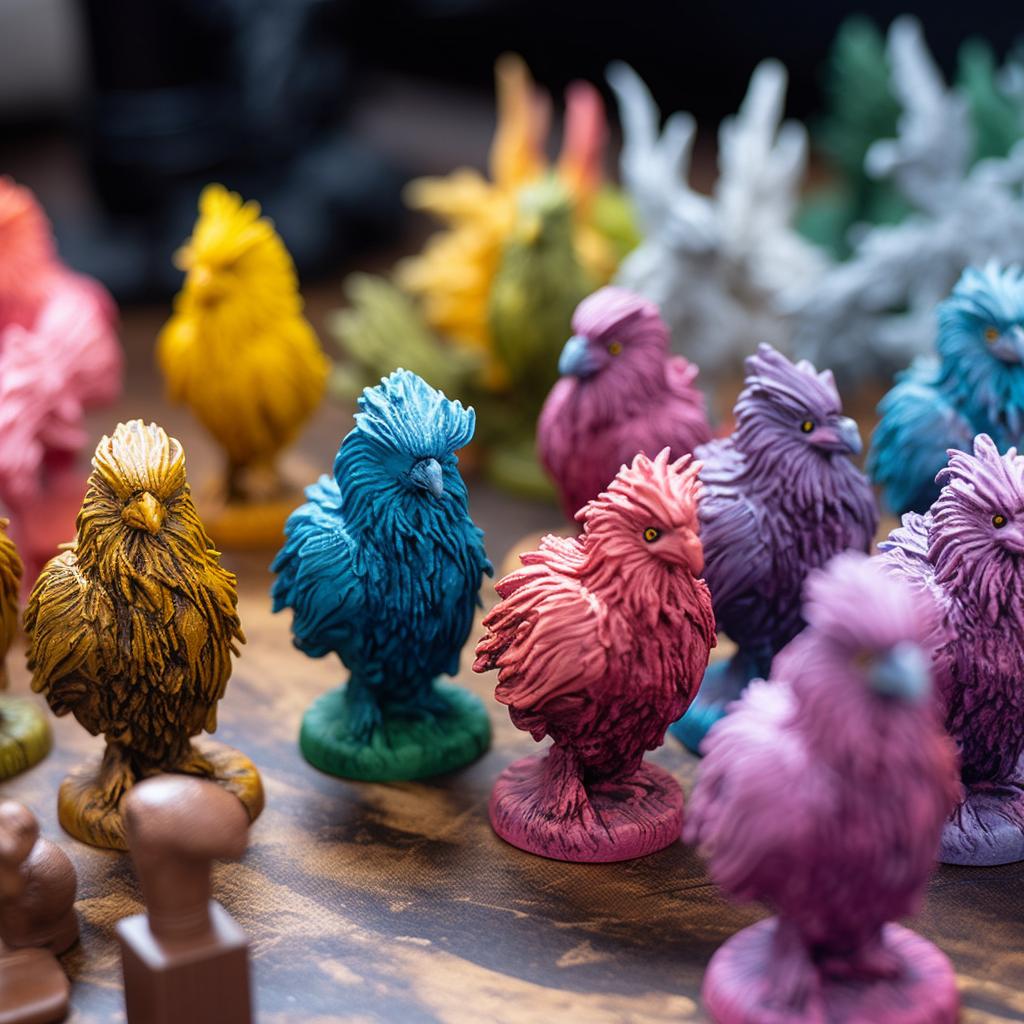
Hoot Owl Hoot! is a cooperative board game that encourages teamwork and strategy. Players work together to move the owls back to their nest before the sun rises. The game helps preschoolers develop color recognition, counting, and problem-solving skills. Designed for children aged 4 and up, Hoot Owl Hoot! can be played by 2-4 players.
4. Sequence for Kids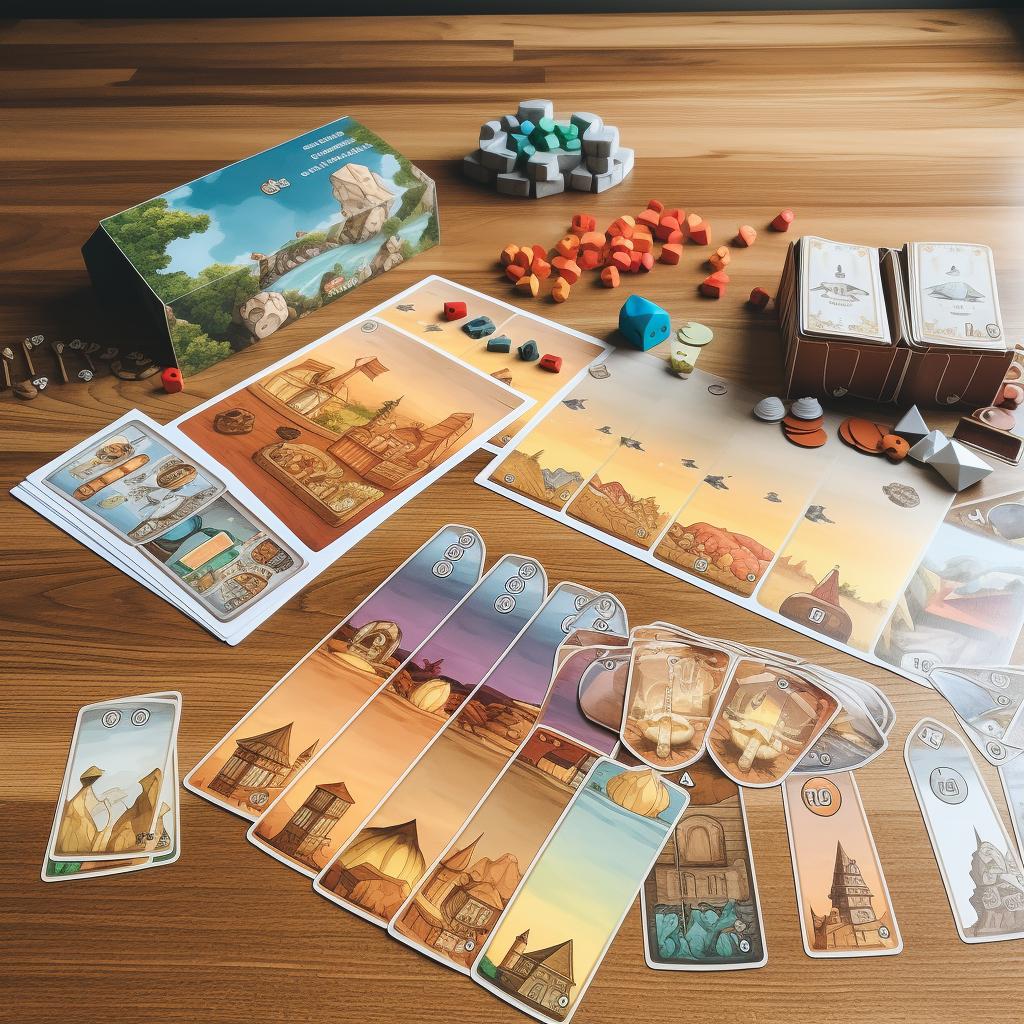
Sequence for Kids is a simplified version of the classic Sequence game, tailored for young children. Players take turns playing animal cards and placing their tokens on the corresponding animal spaces on the game board. The first player to create a sequence of four tokens in a row wins the game. This engaging board game promotes strategy, memory, and matching skills. It is suitable for children aged 3 and up and can be played by 2-4 players.
These top educational board games for preschoolers offer a fantastic way to combine learning and fun. By incorporating these games into your child's playtime, you can help them develop essential skills while creating lasting memories and fostering a love for learning through play.
3. Fun Board Games for Preschoolers
Now that we've covered some of the top educational board games for preschoolers, let's explore a selection of fun board games that cater to their sense of enjoyment and playfulness. These games are designed to be entertaining, engaging, and age-appropriate, making them perfect additions to any preschooler's game collection.
1. Candy Land
Candy Land is a classic and beloved board game that has been entertaining children for generations. This colorful and imaginative game takes players on a journey through a world of sweets and treats, with the goal of reaching the Candy Castle first. Candy Land helps develop color recognition and counting skills, and is suitable for children aged 3 and up. It can be played by 2-4 players.
2. Hungry Hungry Hippos
Hungry Hungry Hippos is an action-packed and fast-paced game that keeps preschoolers engaged and entertained. Players take turns pressing their hippo's tail to make it chomp down on the marbles in the center of the game board. The player with the most marbles at the end of the game wins. This exciting game promotes hand-eye coordination and fine motor skills. It is designed for children aged 4 and up and can be played by 2-4 players.
3. Chutes and Ladders
Chutes and Ladders is another classic board game that has been enjoyed by children for decades. In this game, players move their tokens up the board by climbing ladders and sliding down chutes, with the goal of reaching the top square first. Chutes and Ladders helps teach preschoolers about numbers, counting, and taking turns. It is suitable for children aged 3 and up and can be played by 2-4 players.
4. Hi Ho! Cherry-O
Hi Ho! Cherry-O is a fun and engaging counting game that helps preschoolers develop their early math skills. Players take turns spinning the spinner and picking cherries from their tree, with the goal of being the first to fill their bucket. This game encourages counting, number recognition, and fine motor skills. It is designed for children aged 3 and up and can be played by 2-4 players.
These fun board games for preschoolers offer a delightful way to introduce young children to the world of board games, while also helping them develop important skills. By incorporating these games into your child's playtime, you can create lasting memories and foster a love for gaming that will last a lifetime.
4. English Learning Games for Preschoolers
4. English Learning Games for Preschoolers
Introducing English learning games for preschoolers is an excellent way to help them develop their language skills while having fun. These educational board games are specifically designed to teach young children the basics of English, such as vocabulary, grammar, and pronunciation. Here are some of the best games for kids to learn English:
1. Zingo!
Zingo! is a fast-paced and engaging game that helps preschoolers build their vocabulary and improve their reading skills. In this game, players try to match the words on their Zingo! cards with the words on the Zingo! tiles. The first player to fill their card wins. Zingo! is suitable for children aged 4 and up and can be played by 2-6 players. 
2. Alphabet Go Fish!
Alphabet Go Fish! is a classic card game with an educational twist, perfect for teaching preschoolers the English alphabet. Players take turns asking each other for specific letters to complete their sets. This game helps children recognize letters, develop their memory skills, and learn the alphabet in a fun and interactive way. Alphabet Go Fish! is designed for children aged 4 and up and can be played by 2-6 players. 
3. Bananagrams
Bananagrams is a fast-paced, word-building game that encourages preschoolers to create words and improve their spelling skills. Players race against each other to build interconnected words using letter tiles. This game promotes vocabulary development, spelling, and critical thinking. Bananagrams is suitable for children aged 4 and up and can be played by 1-8 players. 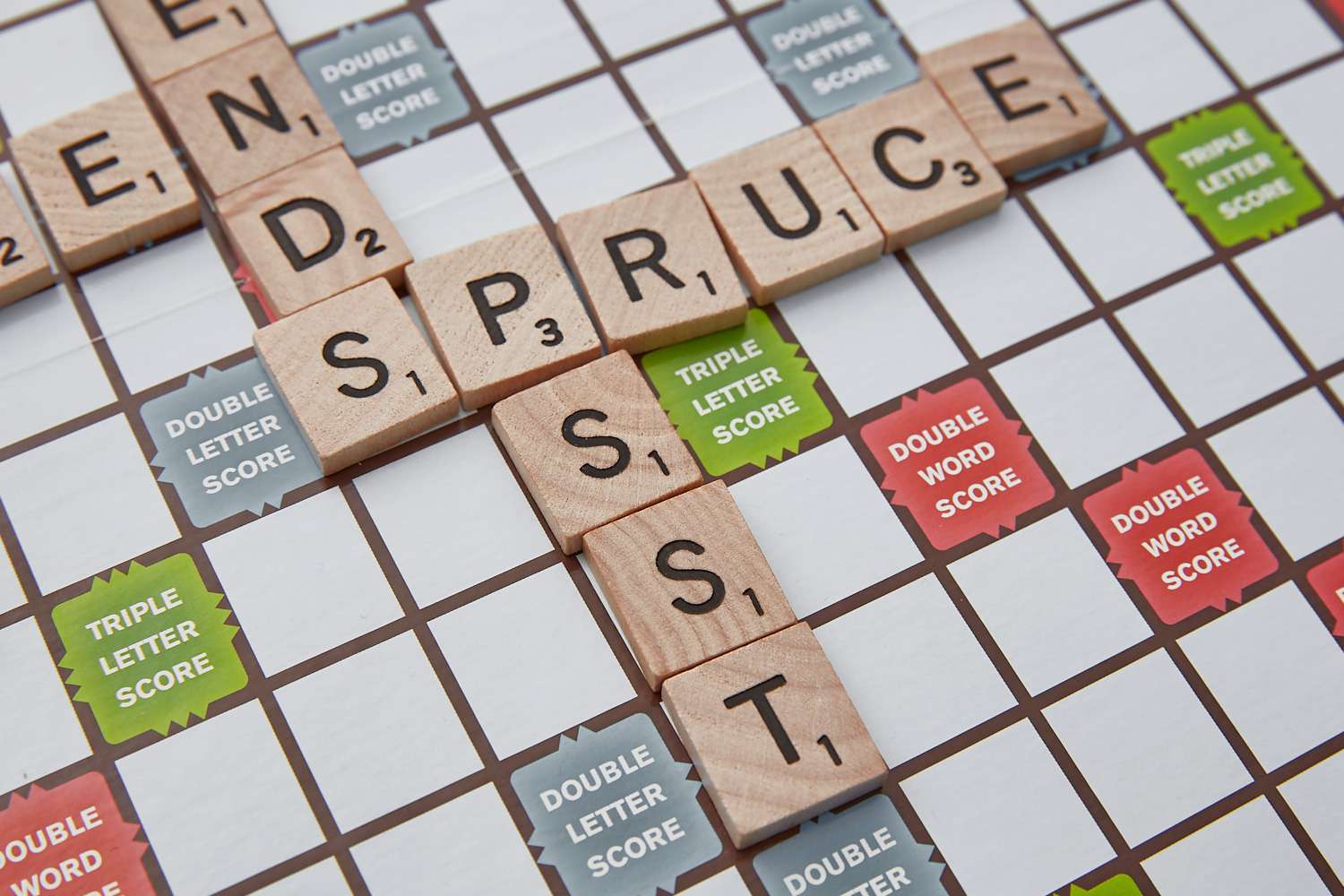
4. Match It! Spelling
Match It! Spelling is an excellent game for preschoolers to learn and practice their spelling skills. This game features self-correcting puzzle cards that help children match the correct letters to form words. Match It! Spelling encourages letter recognition, word formation, and early reading skills. It is designed for children aged 4 and up and can be played individually or with a partner. 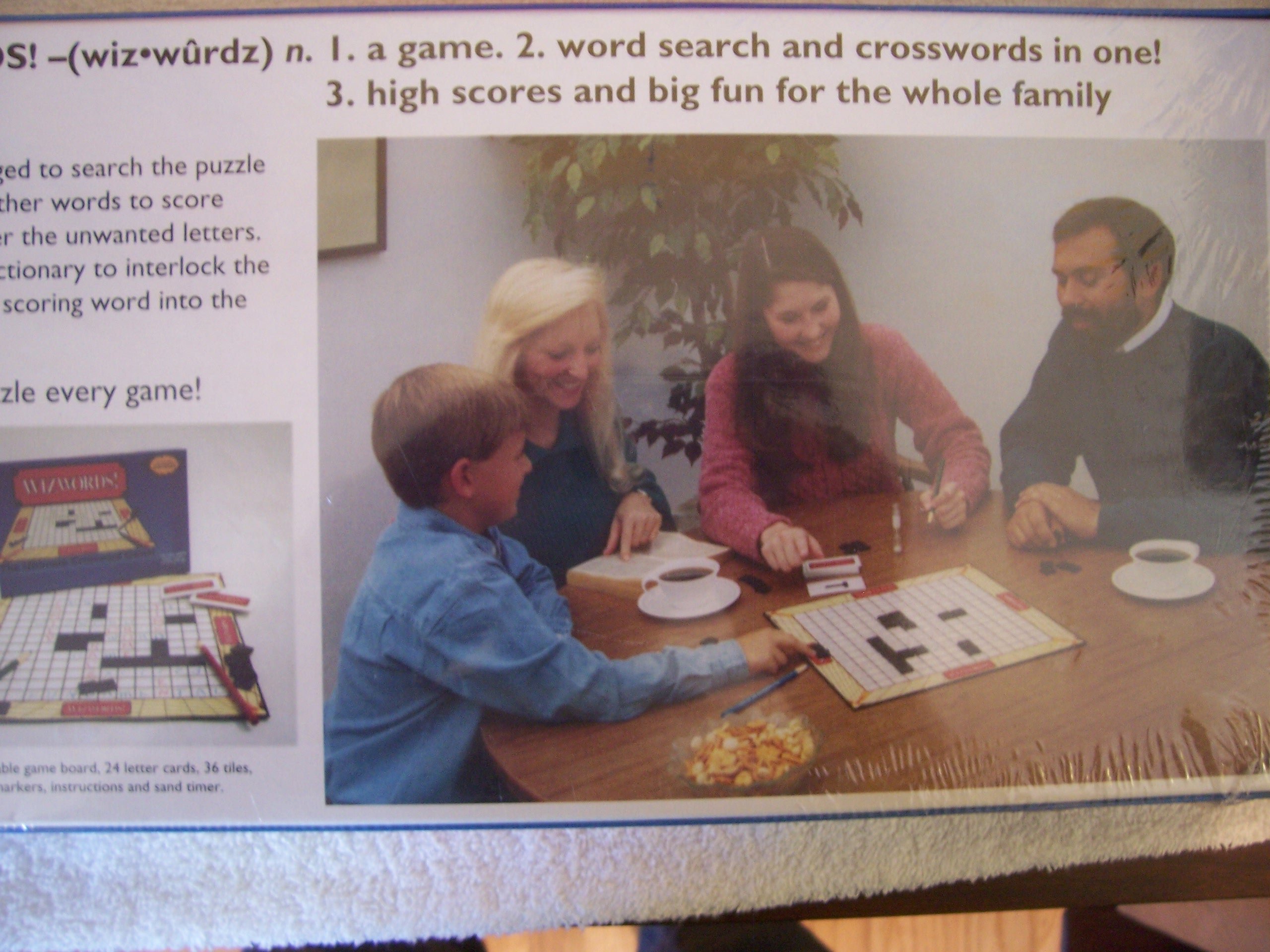
By incorporating these English learning games for kids into your preschooler's playtime, you can help them develop essential language skills while keeping them entertained and engaged. These games offer a fun and interactive way for children to learn English, setting them up for success in their future education.
5. Free Learning Games for Preschoolers
5. Free Learning Games for Preschoolers
Free learning games for preschoolers are a fantastic way to provide educational entertainment without breaking the bank. These games can be easily found online or created at home using everyday materials. Here are some of the best free learning games for kids that will keep your preschooler engaged and learning:
1. DIY Memory Game
Create a simple memory game using index cards and stickers or drawings. On each card, place a sticker or draw a picture, making sure to create two cards with the same image. Mix the cards and lay them face down on a table. Have your child take turns flipping two cards at a time, trying to find matching pairs. This game helps improve memory and concentration while teaching them about different objects or animals.
2. I Spy
I Spy is a classic game that can be played anywhere, making it perfect for on-the-go learning. Take turns with your preschooler, describing an object in your surroundings and having them guess what it is. This game helps develop their vocabulary, observation skills, and critical thinking.
3. Simon Says
Simon Says is an excellent game for teaching preschoolers to follow directions and improve their listening skills. Give your child simple instructions, such as "touch your nose" or "jump up and down," while occasionally saying "Simon says" before the command. If they follow the instruction without hearing "Simon says," they're out. This game encourages active listening and helps develop gross motor skills.
4. Number Hunt
Create a number hunt by hiding numbered index cards or objects with numbers written on them around your home or backyard. Have your preschooler search for the hidden numbers and place them in numerical order. This game helps teach number recognition, counting, and sequencing.
5. Alphabet Scavenger Hunt
Similar to the number hunt, create an alphabet scavenger hunt by hiding objects that start with different letters of the alphabet. Have your child search for the objects and identify the first letter of each item. This game helps with letter recognition and early reading skills.
These free learning games for preschoolers offer a fun and engaging way to teach essential skills without any additional cost. By incorporating these games into your child's playtime, you can help them develop important cognitive and motor skills while having a great time together.
6. Online Learning Games for Preschoolers
6. Online Learning Games for Preschoolers
With the increasing accessibility of technology, online learning games for preschoolers have become a popular and convenient way to engage young minds in educational activities. These games offer a variety of interactive experiences that can help develop essential skills while keeping your child entertained. Here are some of the best online learning games for kids that cater to different interests and learning objectives:
1. PBS Kids
PBS Kids offers a wide range of educational games featuring beloved characters from popular children's shows. These games cover topics such as literacy, math, science, and social skills. With a user-friendly interface and engaging visuals, PBS Kids is an excellent resource for early childhood games that can be enjoyed on computers, tablets, or smartphones. 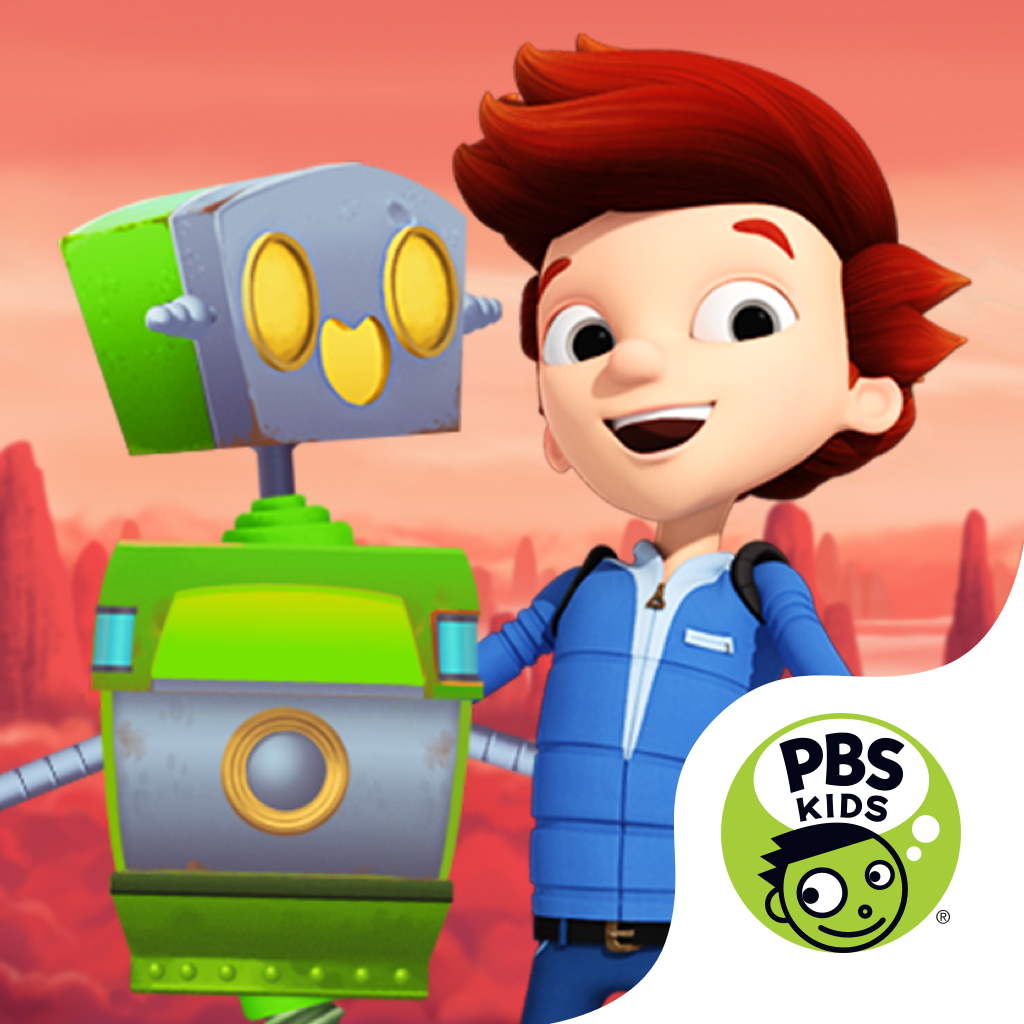
2. Starfall
Starfall is a well-known online platform that focuses on teaching reading skills through interactive games and activities. With a progressive learning approach, Starfall helps preschoolers develop phonics, vocabulary, and comprehension skills. The website also offers math and seasonal activities to keep your child engaged and learning. 
3. ABCmouse
ABCmouse is a comprehensive online learning platform designed for children aged 2-8. It offers a wide variety of educational board games, puzzles, and interactive activities that cover subjects such as reading, math, science, and art. With a structured learning path and progress tracking, ABCmouse provides a personalized learning experience for your preschooler. 
4. Funbrain Jr.
Funbrain Jr. is a collection of fun learning games for kids that focus on developing early literacy, math, and problem-solving skills. The website features colorful and engaging games, such as Shape Shack, Balloon Blow-Up, and Mushroom Bounce, which are designed to keep your preschooler entertained while learning. 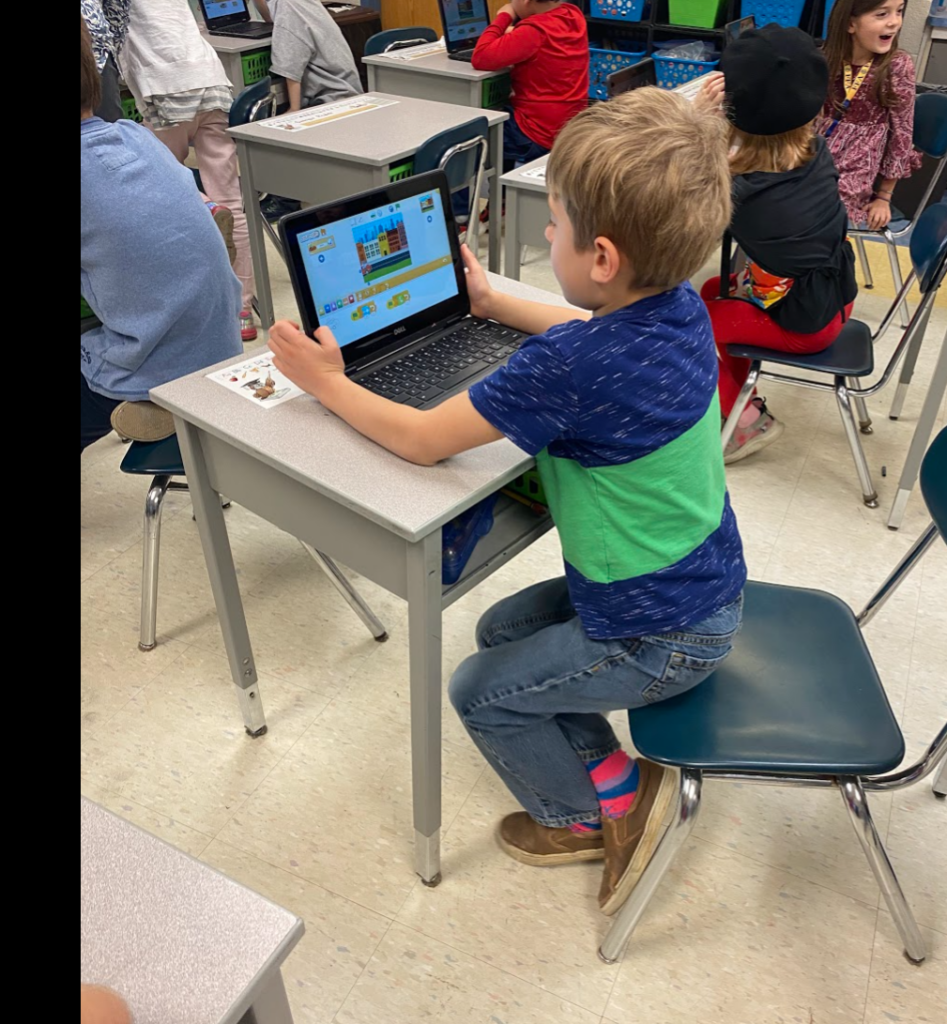
5. Nick Jr. Learning Games
Nick Jr. Learning Games offers a selection of educational games featuring popular characters from Nick Jr. shows. These games cover various subjects, such as counting, shapes, colors, and letter recognition. With familiar faces and entertaining gameplay, Nick Jr. Learning Games can help make learning fun for your preschooler. 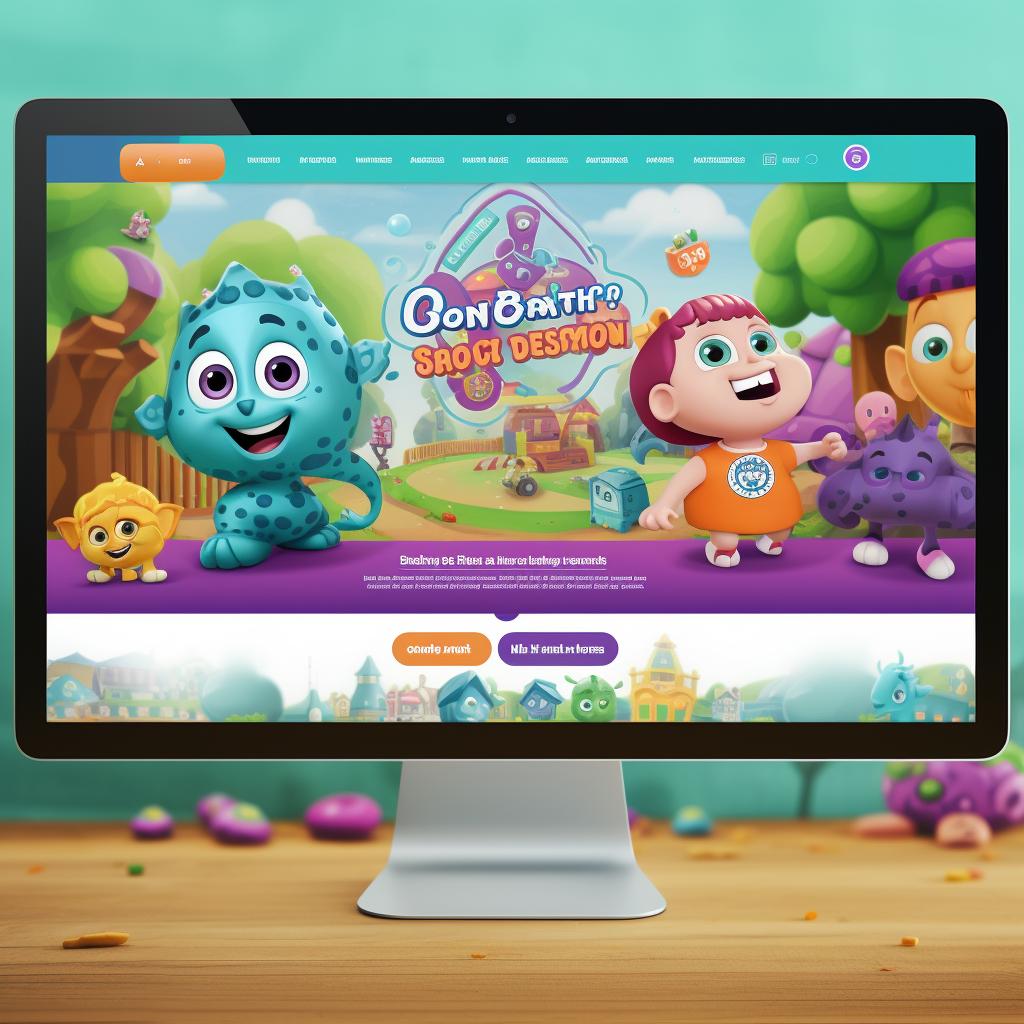
Online learning games for preschoolers provide a convenient and engaging way to introduce essential skills and concepts to young children. By incorporating these games into your child's routine, you can help them develop a strong foundation for future learning while having fun in the process.
7. How to Choose the Best Board Games for Your Preschooler
Choosing the best board games for your preschooler can be a daunting task, given the vast array of options available in the market. To make the selection process easier, consider the following factors when looking for the perfect early childhood games for your little one:
1. Age AppropriatenessAlways check the recommended age range on the game box to ensure that it is suitable for your child's age and developmental stage. The best games for preschoolers are designed to be engaging and challenging without being too difficult or frustrating.
2. Educational ValueLook for educational board games that promote learning and skill development in areas such as literacy, numeracy, problem-solving, and social skills. Games that incorporate learning objectives in a fun and interactive way can help your child develop a love for learning and build a strong foundation for future academic success.
3. Fun FactorChoose games that are entertaining and enjoyable for your child. Fun board games for kids should have colorful and engaging visuals, simple rules, and elements of surprise or humor. A game that captures your child's interest will keep them engaged and motivated to play and learn.
4. ReplayabilitySelect games that offer varied gameplay and can be played multiple times without losing their appeal. This ensures that your child will continue to enjoy and benefit from the game as they grow and develop new skills.
5. Social InteractionOpt for games that encourage social interaction and cooperation among players. These games can help your preschooler develop essential social skills, such as taking turns, sharing, and communicating effectively with others.
6. Safety and DurabilityEnsure that the game components are made of high-quality, non-toxic materials and do not pose any choking hazards. The best board games for preschoolers should be durable and able to withstand rough handling by young children.
7. Parental InvolvementConsider games that allow for parental involvement and interaction. Playing board games together can be a great bonding experience and an opportunity for parents to guide and support their child's learning and development.
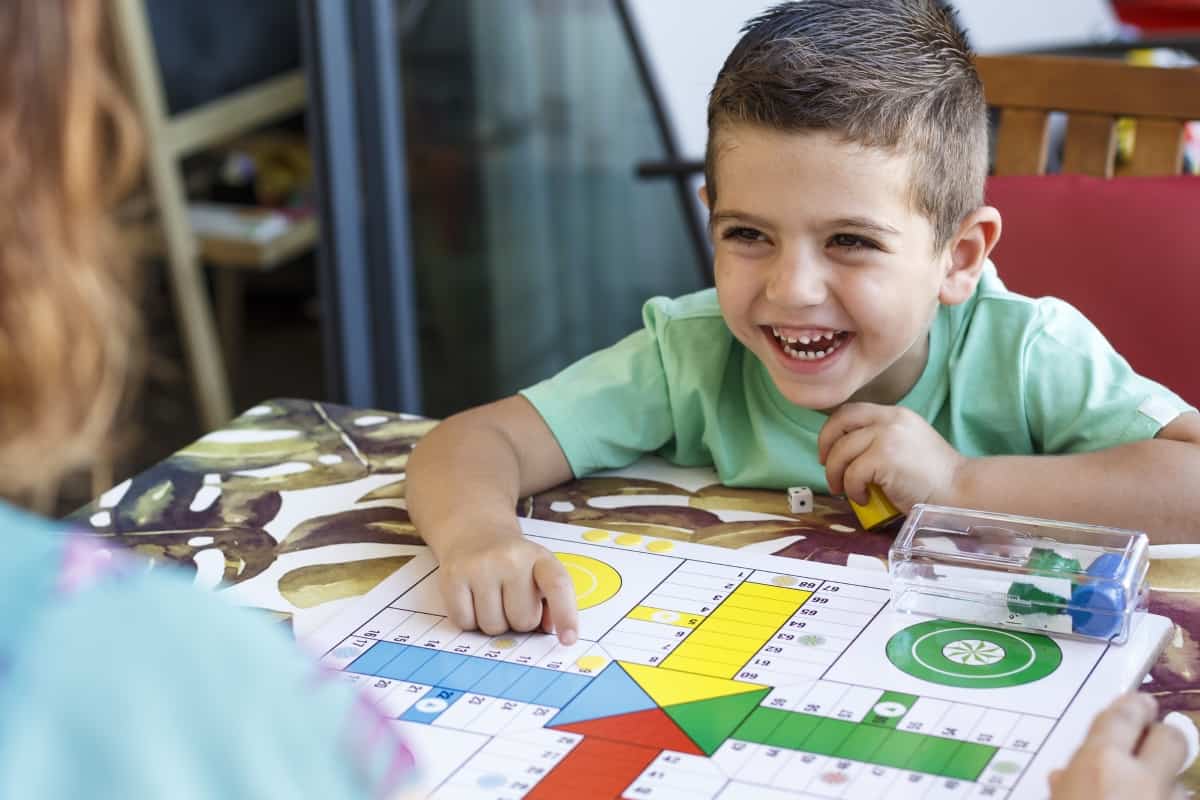
By taking these factors into account, you can confidently select the best board games for your preschooler that will not only provide hours of entertainment but also contribute to their overall growth and development. Remember, the key is to find games that strike the perfect balance between fun and learning, ensuring that your child remains engaged and eager to explore new challenges.
No comments yet. Be the first to share your thoughts!